With latest Wall Street downgrade, Apple now has the most ‘Sell ratings since shortly after Steve Jobs’ death
Investment firm Jefferies on Monday downgraded Apple from hold to underperform, cutting its price target from $285.56 to $263.66.
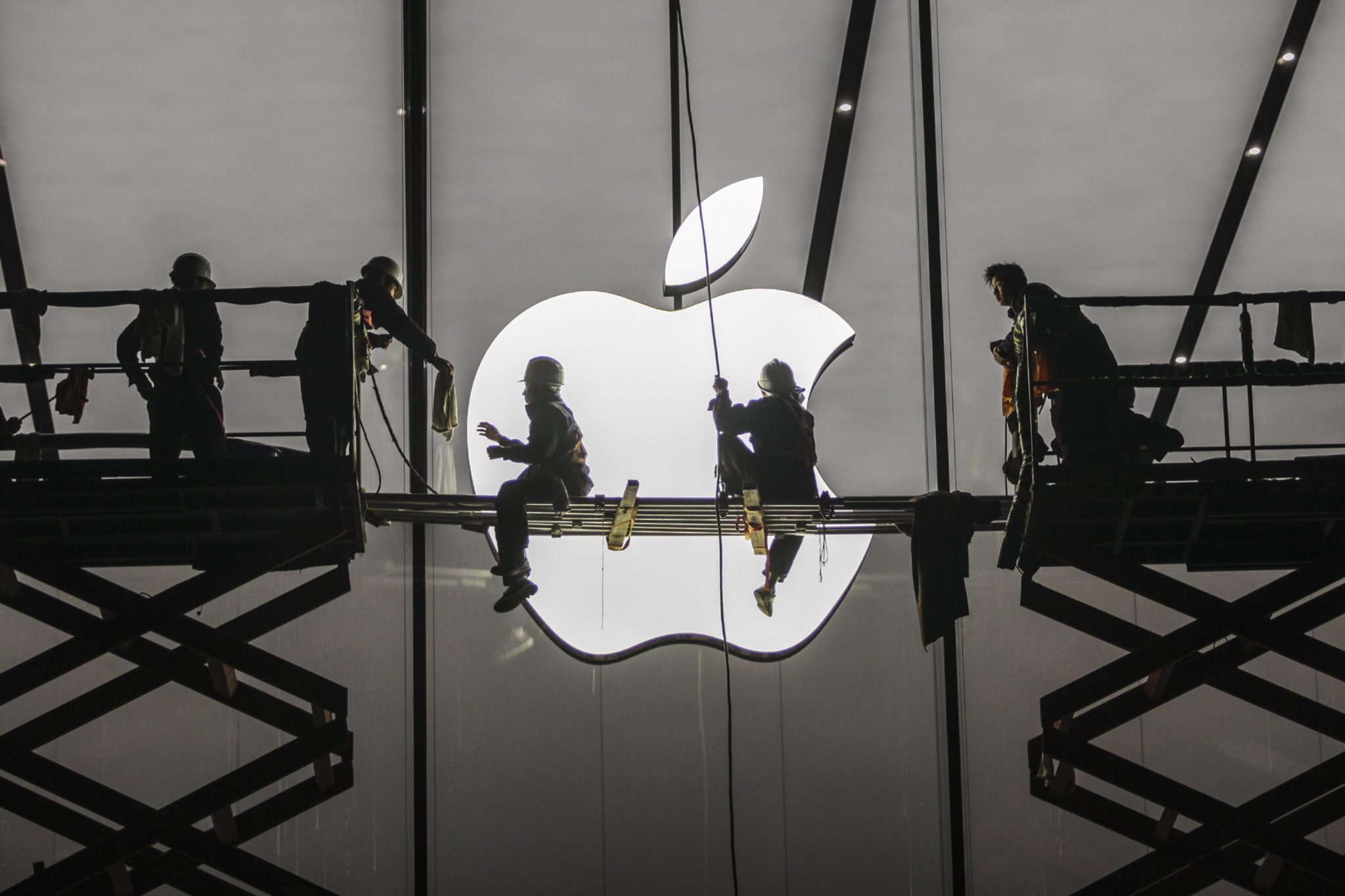
Apple's stock rating has plummeted once more following a downgrade from Jefferies investment firm. The downgrade to "underperform" and a revised price target from $285.56 to $263.66 marks the latest in a string of such assessments, now totaling six Wall Street firms labeling Apple as a "sell." This marks the highest number of such ratings since shortly after the passing of the company's co-founder, Steve Jobs, in 2011.
The downgrade follows Apple's struggles with slowing growth, memory prices surging, and limited progress in its AI endeavors. Jefferies specifically cited the cancellation of an anticipated all-glass iPhone for the iPhone's 20th anniversary, as well as ongoing challenges in countering memory price increases. The company's foldable phone, set to be unveiled next month, is expected to be its primary margin driver, with memory costs potentially driving up its price to as much as $3,099 for the 2-terabyte variant.
At least six other Wall Street firms have also downgraded Apple in recent times, matching the peak observed following Jobs' death. Apple's shares have faltered since the company revealed an anticipated decline in iPhone sales growth for the current quarter, with a "mid-teens" percentage increase projected instead of the previous 22%. This decline in growth has been coupled with a warning about a potential erosion of gross profit margins in the current quarter.
The downgrade comes as Apple prepares to welcome John Ternus as its new CEO next month, succeeding Tim Cook. Ternus is tasked with leading the company as it navigates investor concerns around its AI plans and the company's ability to recapture its former product design prowess. Apple's ongoing memory chip cost issues, exacerbated by a shortage driven by demand for AI-related memory chips, have also been a point of concern.
The company has reportedly tested memory chips sourced from China's CXMT, a move that could spark controversy if implemented. Amid these challenges, Apple aims to run more AI operations directly on user devices, a strategy Cook believes could appeal to privacy-conscious users.
Written by urgent.news from Fortune's reporting — not their text. Machine-written — may contain errors; check the original before relying on it.