Why these 5 Indian animals receive the highest level of wildlife protection
India hosts a diverse array of wildlife, ranging from majestic big cats to unique river-dwelling reptiles. However, habitat loss, human encroachment, poaching, illegal wildlife trade and climate change pose significant threats to these species. To safeguard these vulnerable creatures, India has implemented legal protection through the Wildlife (Protection) Act, 1972, amended in 2022. This legislation categorizes species into schedules, with Schedule I signifying the highest level of legal protection.
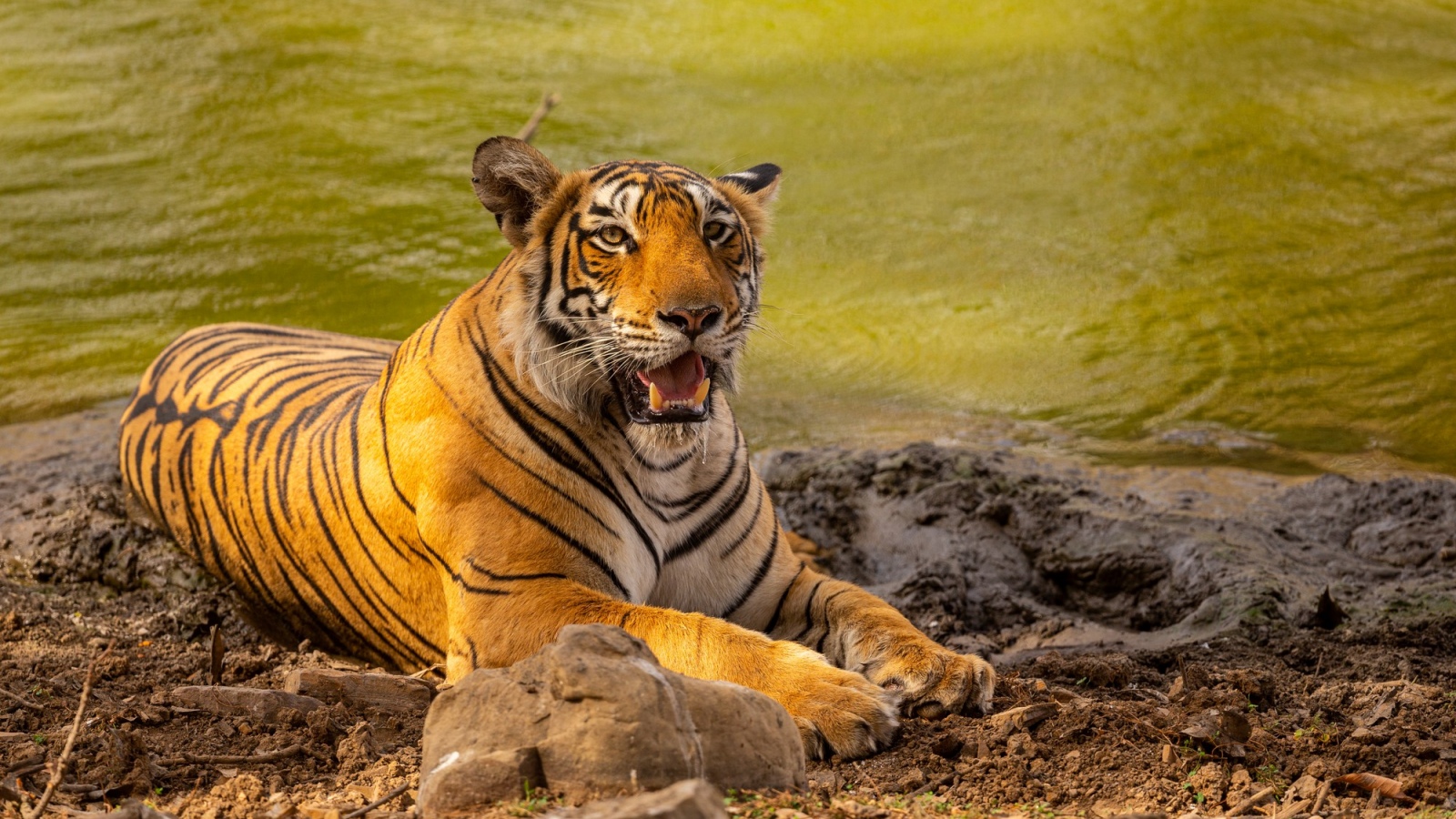
The Bengal tiger, a highly recognizable and iconic Indian wildlife species, remains under Schedule I protection despite significant conservation efforts. Bengal tigers face threats such as habitat fragmentation, poaching, declining prey availability, and conflicts with humans inhabiting their territories. Wildlife photographer and environmentalist Indrajeet Ghorpade emphasizes the need for special protection, additional forest force, monitoring, captive breeding, and reducing human impact on their habitats.
As apex predators, tigers and other similar species are particularly vulnerable due to their fragile habitats, breeding habits, sensitive lifestyles, and low population numbers.
The Asiatic lion, another Schedule I protected species, has an extremely limited wild range, confined to the Gir forest landscape of Gujarat. This narrow geographic distribution makes the Asiatic lion particularly susceptible to disease outbreaks, ecological disturbances, and other events affecting this limited habitat. Ghorpade stresses the importance of expanding habitats and corridors to support growing lion populations, as increasing the home ranges can help mitigate issues arising from overpopulated zones within protected areas.
The snow leopard, a highly elusive and remote Himalayan species, also receives Schedule I protection. Although its habitat is less accessible, it faces challenges such as habitat degradation, prey availability fluctuations, retaliatory killings, and illegal wildlife trade. Like the Bengal tiger, the snow leopard is considered a flagship species due to its vulnerability.
Conservation efforts must address not only the animal but also the conditions necessary for its survival, including sufficient food, resting, propagating, and survival opportunities.
The Indian rhinoceros, historically threatened by poaching and habitat loss, has experienced population recovery due to conservation programs in protected landscapes. However, the species continues to depend on continued habitat protection and effective anti-poaching measures. Ghorpade underscores the necessity of habitat expansion and creation to support growing rhinoceros populations, emphasizing the importance of increasing the species' territory and connectivity between habitats.
Lastly, the gharial, a specialized river reptile, is protected under Schedule I due to its reliance on healthy river systems. Threats to gharial populations include river pollution, habitat alterations, sand mining, fishing pressure, and accidental capture in fishing nets. Ghorpade argues that the conservation of gharials requires protecting their entire ecosystems, as healthy habitats and reduced human presence are essential for their recovery and the revival of all life forms within their habitats.
Written by urgent.news from The Indian Express - Lifestyle's reporting — not their text. Machine-written — may contain errors; check the original before relying on it.