Why anti-theft backpacks hide their zippers
A backpack cannot make your belongings impossible to steal. What good design can do is remove easy opportunities. That simple idea explains why many anti-theft bags look surprisingly plain. Instead of adding bulky hardware, designers often move the main zipper so it sits against your back, where it is difficult to reach while you are wearing the bag. Add a few carefully chosen features, such as…
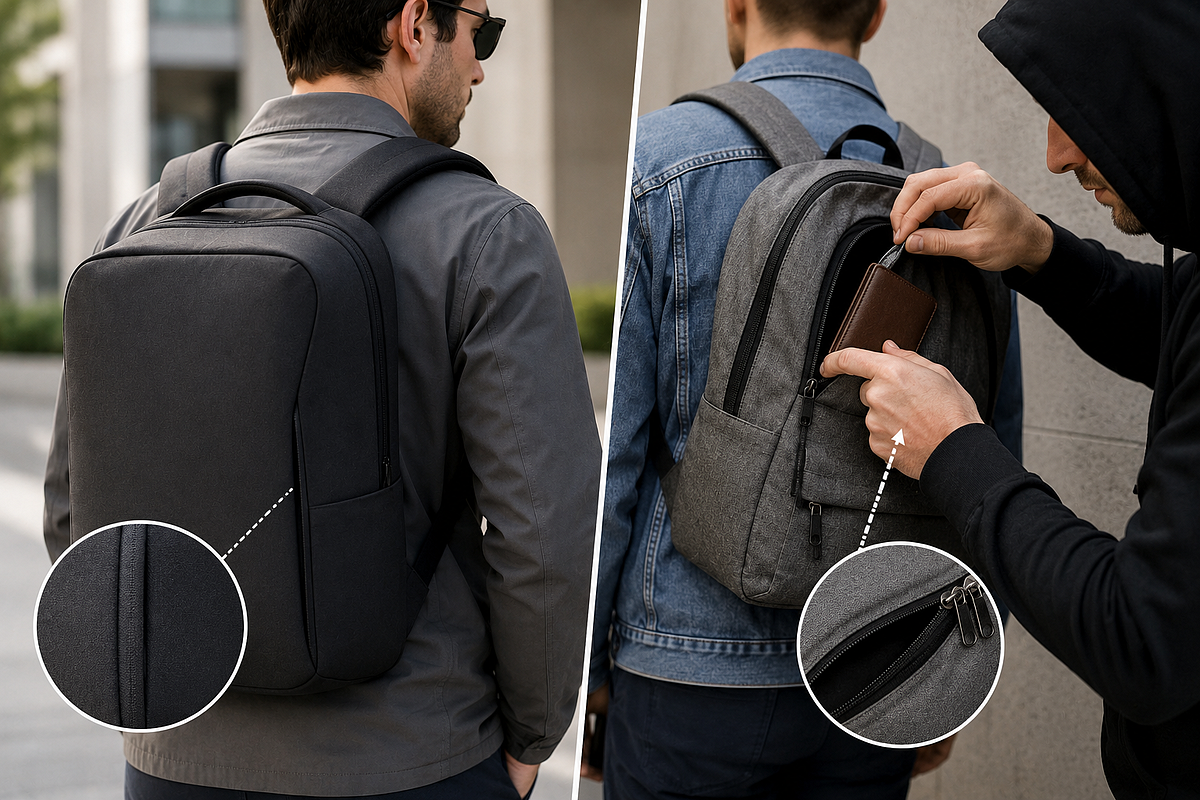
Anti-theft backpacks often hide their zippers to make them difficult for thieves to access quickly. Good design focuses on removing easy opportunities for theft rather than adding bulky hardware. Designers move the main zipper to sit against the wearer's back, where it is harder to reach while wearing the bag. Adding features like reinforced fabric, lockable zipper pulls, and concealed pockets can make a backpack much harder to tamper with.
The goal is to buy time and make interference more noticeable, not to achieve absolute security. Anti-theft backpacks are ideal for people who carry valuable items like laptops, cameras, or passports while commuting or traveling. These bags use layers of security measures, such as hidden zippers, locking zipper pulls, cut-resistant materials, and concealed pockets, to make a bag less convenient to tamper with than a conventional backpack.
When selecting an anti-theft backpack, prioritize features you will actually use, such as a rear opening main compartment that places the zipper against the back. Locking zipper pulls are useful for deterring casual interference during brief periods of unattended luggage, while cut-resistant panels are worth considering for carrying expensive electronics.
Written by urgent.news from Gulf News's reporting — not their text. Machine-written — may contain errors; check the original before relying on it.