What makes McDonald’s assets stand out amid a weak Hong Kong retail property market?
One year after McDonald’s began selling its self-owned Hong Kong shops, the fast-food giant has found buyers for nearly half its portfolio even as the city’s retail property market endures its weakest spell in decades. McDonald’s planned to dispose of all 23 shops in phases, market sources said, with the portfolio initially valued at about HK$3 billion (US$382 million). Since launching the…
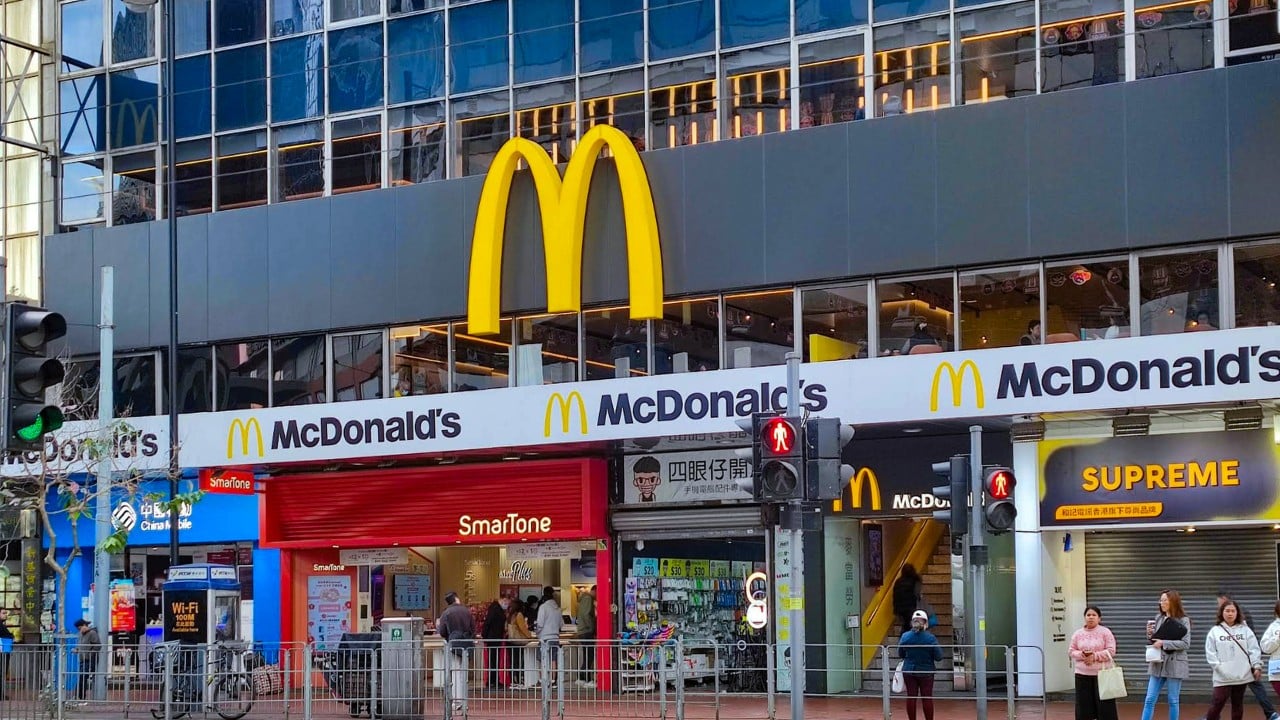
Despite Hong Kong's retail property market being in its weakest condition in decades, McDonald's has managed to find buyers for nearly half of its self-owned shops, selling 11 properties for over HK$900 million. This progress is remarkable given the current market conditions, which have seen many other properties sell at prices below their peak valuations or original asking prices.
Analysts suggest that the success of McDonald's sales does not indicate a broad market recovery, but rather reflects the continued willingness of investors to buy properties with desirable qualities such as prime locations, long leases and prominent tenants. The disposals, conducted through sale-and-leaseback agreements, enabled McDonald's to maintain operations in the shops for up to 20 years with initial rental yields above 6 percent.
The property owner, MCD Real Properties, had acquired the assets during the company's expansion in the 1980s and early 1990s, allowing for decades of appreciation when they were sold. Multinational companies, including McDonald's, are increasingly focusing on operating efficiency rather than owning property, as per Yan Yuejin, deputy head of E-House China R&D Institute in Shanghai.
This shift is further influenced by Hong Kong's retail property market becoming more integrated with neighboring mainland Chinese cities, with increasing residents shopping across the border, thus putting further pressure on rents and property valuations.
Written by urgent.news from SCMP Business's reporting — not their text. Machine-written — may contain errors; check the original before relying on it.
Also reported by 1 other outlet
- McDonald’s sells 11 Hong Kong properties amid deep retail slump e.vnexpress.net