What a water-wise city would look like – and how India can get there
Durban and Bhubaneswar have protected water access for low-income households. Las Vegas and Bengaluru use higher tariffs to discourage excessive consumption. Seoul and Guwahati have strengthened planning rules to protect floodplains. Windhoek and Chennai show that treated wastewater can become a reliable source of water
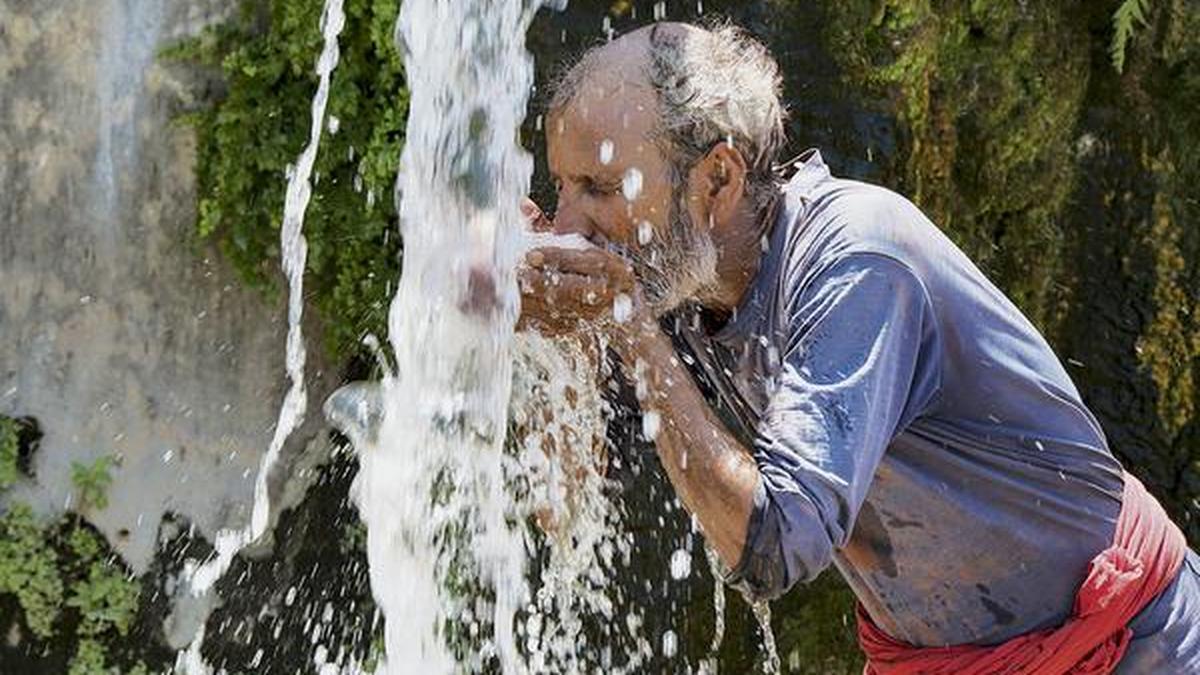
India faces a looming water crisis driven by increasing population and economic growth. Simply managing the crisis will not suffice. The future must envision cities that are inherently water-wise, leveraging rivers, lakes, and groundwater resources. This can be achieved by integrating water-sensitive planning into urban development, aiming for local water security rather than dependence on distant sources, and changing investment approaches to prioritize cost-effective, long-term solutions.
Cities such as Melbourne and Singapore have successfully implemented rainwater capture, reuse of treated wastewater, and diversified water sources. Indian cities like Mumbai and Bengaluru are making strides by incorporating water-sensitive approaches into their climate action plans. To advance this vision, city planning should prioritize water infrastructure, such as mapping drainage systems and floodplains, to optimize local resources and manage floods and droughts effectively.
Embracing a diversified water supply strategy, similar to Singapore's 'Four National Taps,' can enhance long-term resilience.
India must adopt a three-pronged water strategy: increased rainwater harvesting, widespread reuse of treated wastewater, and sustainable groundwater management. National policies should set ambitious targets for water reuse, backed by incentives and mandates for industrial and residential developments. Investment decisions must undergo a rigorous 'triple test,' considering demand-side reduction, life-cycle costs, and environmental and social impacts.
Consolidating municipal water utilities into accountable entities, with dedicated leadership and regulatory oversight, can ensure sustained investment in rehabilitation, reuse, and nature-based solutions. Lastly, fostering a strong social license and equitable water access through strong institutional reforms can secure long-term water security.
Written by urgent.news from The Hindu - Sci-Tech's reporting — not their text. Machine-written — may contain errors; check the original before relying on it.