Western Europe breaks temperature record in summer plagued by heatwaves and wildfires
The first two months of summer in western Europe have been the hottest on record, the European Union’s climate monitor said Monday, as the continent grapples with devastating wildfires and braces for yet another heatwave. The average temperature for June and July was 21.62 degrees Celsius (70.9 Fahrenheit), about 2.79 degrees above the average, and … The post Western Europe breaks temperature…
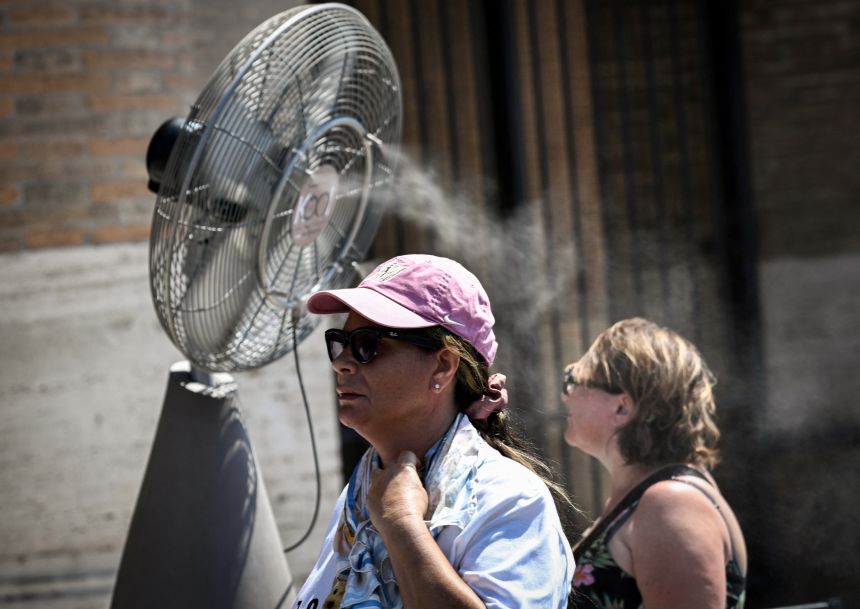
Western Europe has shattered its temperature record during a summer plagued by heatwaves and wildfires, according to the European Union's climate monitor. The first two months of the season were the hottest on record, with an average temperature of 21.62 degrees Celsius (70.9 Fahrenheit), nearly 3 degrees above the historical average.
This surpasses the previous record set in 2022. July was the hottest month ever recorded for the world's non-polar oceans, with record high temperatures along the Atlantic and western Mediterranean, posing risks to marine life and coastal communities. The extreme conditions were partly driven by the "Super" El Niño weather pattern in the Pacific.
The continent has endured a series of deadly heatwaves this year, with more expected. Over 25,000 people have died across Europe due to heat, according to Bloomberg data. Europe is the fastest-warming continent but has limited infrastructure to cope with the heat, such as older buildings and a scarcity of air conditioning. Samantha Burgess, strategic lead for climate at the European Centre for Medium-Range Weather Forecasts, explained that the scorching temperatures and persistent droughts in June and July exacerbated each other, creating a vicious cycle of intensified heat.
Soil moisture levels in July 2026 were significantly lower than in 2022, showing "exceptional to record deficits" in France, Spain, and parts of Germany and the United Kingdom.
The record-breaking summer heat fueled conditions for Europe's record-setting wildfires, displacing hundreds of thousands and burning over 1.23 million acres of land, primarily in Spain, France, and Italy. The fires have also had broader impacts, increasing greenhouse gas emissions and degrading air quality, according to Laurence Rouil, director of the Copernicus Atmosphere Monitoring Service.
Larger fires produce more smoke, which can travel further, affecting air quality not just locally but across the wider region. Droughts have further exacerbated the situation by depleting water sources across the continent.
Written by urgent.news from Egypt Independent's reporting — not their text. Machine-written — may contain errors; check the original before relying on it.