We Must Remember Nagasaki
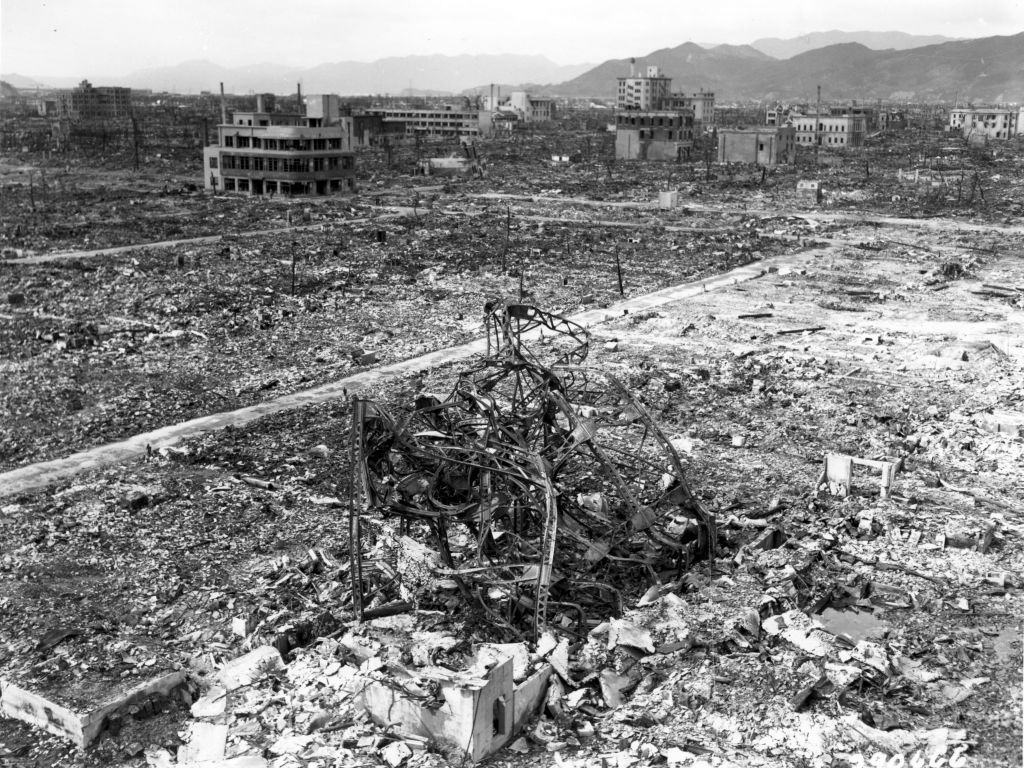
As August approaches each year, the world takes a moment to reflect on the momentous U.S. atomic bombing of Hiroshima, Japan during World War II. Media outlets publish in-depth analyses, television programs reexamine the aftermath, and global leaders convene to caution against the catastrophic potential of atomic weaponry. However, the significance of Hiroshima is markedly overshadowed.
The contrast is even more pronounced well beyond commemorative occasions. In 2025, Hiroshima’s Peace Memorial Museum attracted over 2.5 million visitors, while Nagasaki’s museum saw fewer than 900,000. Yet, the historical narrative diverges. While Hiroshima has become synonymous with the atomic age, it was Nagasaki that ultimately altered the trajectory of World War II.
The second atomic bomb, not the first, de-escalated the stalemate within Japan’s leadership, prompted Emperor Hirohito’s political intervention, and initiated Japan’s surrender. Eighty-one years later, this pivotal fact is often overlooked. By the summer of 1945, Japan had already suffered significant military setbacks. Its navy lay dormant on Pacific seabed, while remnants of its air force had transformed into kamikaze pilots.
Sixty-four of its cities had been obliterated by incendiary bombs, and its economy was crippled by a submarine blockade that cut off essential resources like food, fuel, and raw materials. Yet, one must distinguish defeat from surrender, as historical evidence suggests the latter was unthinkable for Japan’s military commanders. Japan retained 5 million armed personnel, a force they believed held the key to a final opportunity.
Their strategy revolved around inflicting catastrophic casualties on advancing American forces, compelling Washington to abandon its demand for unconditional surrender and grant Japan more favorable peace terms. President Harry Truman had already sanctioned Operation Olympic, the November 1945 invasion of Kyushu, the initial phase of a massive assault on the Japanese home islands.
Pre-invasion Pentagon estimates projected America would suffer between 1.7 million and 4 million casualties, with Japan potentially losing between 5 to 10 million people. However, on August 6, the United States dropped the initial atomic bomb on Hiroshima, leveling nearly five square miles of the city. An estimated 140,000 individuals perished from the blast or subsequent radiation effects.
Yet, contrary to widespread belief, Hiroshima did not prompt Japan’s surrender. Japan’s Supreme War Council—the six individuals tasked with directing the war—did not convene immediately after the attack. The military leadership remained resolute in their commitment to continue fighting despite the devastation of a single city. Many believed Hiroshima was an isolated incident, asserting that atomic weapons were rare and extraordinarily costly.
If the Americans had only one or a few such bombs, Japanese leaders reasoned, they could still hope to inflict a costly invasion and potentially negotiate more favorable terms. Nagasaki shattered this misconception. Just 75 hours after Hiroshima, a second atomic bomb annihilated another Japanese city, claiming 73,000 lives. Two cities had vanished within a span of three days.
From Tokyo’s perspective, there was no way to determine if the United States possessed multiple bombs or merely two. More alarmingly, America might not even need to invade Japan. It could simply continue destroying city after city until none remained. This revelation compelled Japan’s leaders to confront the grim reality that the war could not be won.
Even after Nagasaki, the Supreme War Council was evenly divided, with three members favoring peace and three insisting on continuing the fight. Emperor Hirohito’s unprecedented personal intervention to demand Japan’s unconditional surrender ultimately broke the deadlock. None of this diminishes the horror inflicted by either atomic bombing.
Tens of thousands of men, women, and children perished in unimaginable conditions. Their suffering demands remembrance, mourning, and contemplation on the devastating consequences of nuclear warfare. However, moral judgments and historical causation are distinct considerations. The historical record is unequivocal: Hiroshima alone did not bring an end to the war.
Nagasaki did. For generations, public memory has elevated Hiroshima as the universal symbol of war’s tragedy and atomic weapons’ horrors, while neglecting Nagasaki’s role. Hiroshima unquestionably served as the first deployment of an atomic weapon, with more casualties recorded than in Nagasaki. Nonetheless, the heightened attention given to Hiroshima has inadvertently obscured the event that catalyzed Japan’s surrender.
Acknowledging this distinction is crucial. It underscores that history is rarely as straightforward as anniversaries portrayed in news stories, and that decisive moments are not always the ones we remember. Furthermore, it reminds us that the final days of World War II were not dictated by a single atomic bomb, but by Japan’s terrifying realization that the United States could strike repeatedly.
While Hiroshima should be remembered as the genesis of the atomic age, it is equally important to remember Nagasaki as the moment World War II truly concluded.
Written by urgent.news from Time's reporting — not their text. Machine-written — may contain errors; check the original before relying on it.