We cannot drink gold: The price Ghana is paying for galamsey
What happens when a country becomes so desperate for gold that it begins to destroy the water, land and livelihoods that keep its people alive? That is the question Ghana must confront. Across several communities, the signs are impossible to ignore. Rivers that once provided clean water have turned brown. Farmlands have been ripped apart. Cocoa trees have been destroyed. Deep mining pits have…
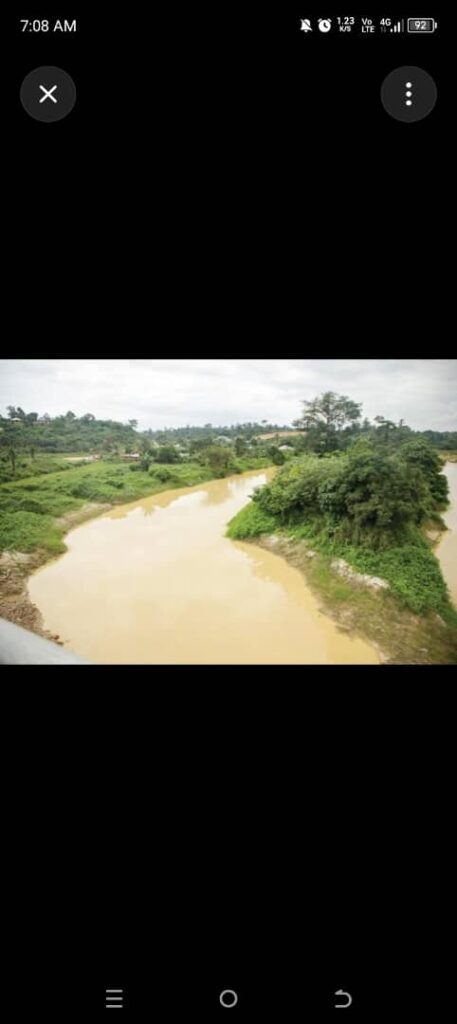
Ghana faces a growing crisis of galamsey, or illegal gold mining, which is devastating the environment, livelihoods, and health of its people. Rivers that once provided clean water have turned brown, farmlands have been destroyed, and cocoa trees have been uprooted. Deep mining pits have created stagnant water hazards and death traps.
The illegal mining crisis is no longer just a gold and economic issue; it is about the water we drink, the food we grow, the air we breathe, and the health of future generations. The question must be asked: are we gaining enough from gold to justify the loss of everything else?
While it is easy to blame the young men and women working in mining sites, many turn to galamsey due to unemployment and poverty. For them, mining offers a more immediate source of income than waiting for formal employment. The illegal mining economy relies on more than just the miners – financiers, machinery providers, land facilitators, and gold buyers all play a role. If authorities only target the miners while leaving these key players untouched, Ghana is not addressing the root cause.
The most alarming evidence of galamsey's destruction is found in Ghana's rivers – the Pra, Ankobra, and Offin. These lifelines for communities are heavily polluted, threatening families' access to clean water, farmers' livelihoods, fishing activities, and overall economic stability. Wealth extracted from the earth cannot replace the precious resource that sustains life.
Moreover, the health impacts of galamsey extend beyond the visible, with miners exposed to dangerous conditions and potential mercury poisoning, especially affecting vulnerable groups like children and pregnant women. The true cost of galamsey cannot be measured solely by gold extracted or revenue generated; it must also account for the long-term health consequences.
Ghana's productive farmland is being destroyed, leaving families without income, food, employment, or inheritance. Short-term financial gains from gold mining seem insignificant compared to the long-term loss of livelihoods. The question arises: is the wealth gained worth sacrificing long-term prosperity?
When gold runs out, what happens? The miners will leave, machines will disappear, and abandoned pits, damaged land, and polluted rivers will remain. Who will be responsible for restoring the environment and rebuilding lives? If bans, arrests, and military interventions fail, it is clear that enforcement alone is not enough. Ghana must create alternatives for young people, support farmers, provide small businesses with affordable financing, and establish a legitimate pathway for responsible small-scale mining.
Ignoring these solutions means passing the burden to future generations who will have to live with the consequences of our neglect.
Written by urgent.news from MyJoyOnline Ghana's reporting — not their text. Machine-written — may contain errors; check the original before relying on it.