US ‘digging in’ to Asia but wants ‘partners not dependency’: Pentagon
The United States is not disengaging from Asia and is instead “digging in” to maintain a favourable balance of power in the Indo-Pacific, but wants its partners to shoulder more responsibility for their defence, a senior Pentagon official said on Monday. Seeking to counter concerns about Washington’s reliability, Elbridge Colby, Undersecretary of Defence for Policy, reiterated the US interest in…
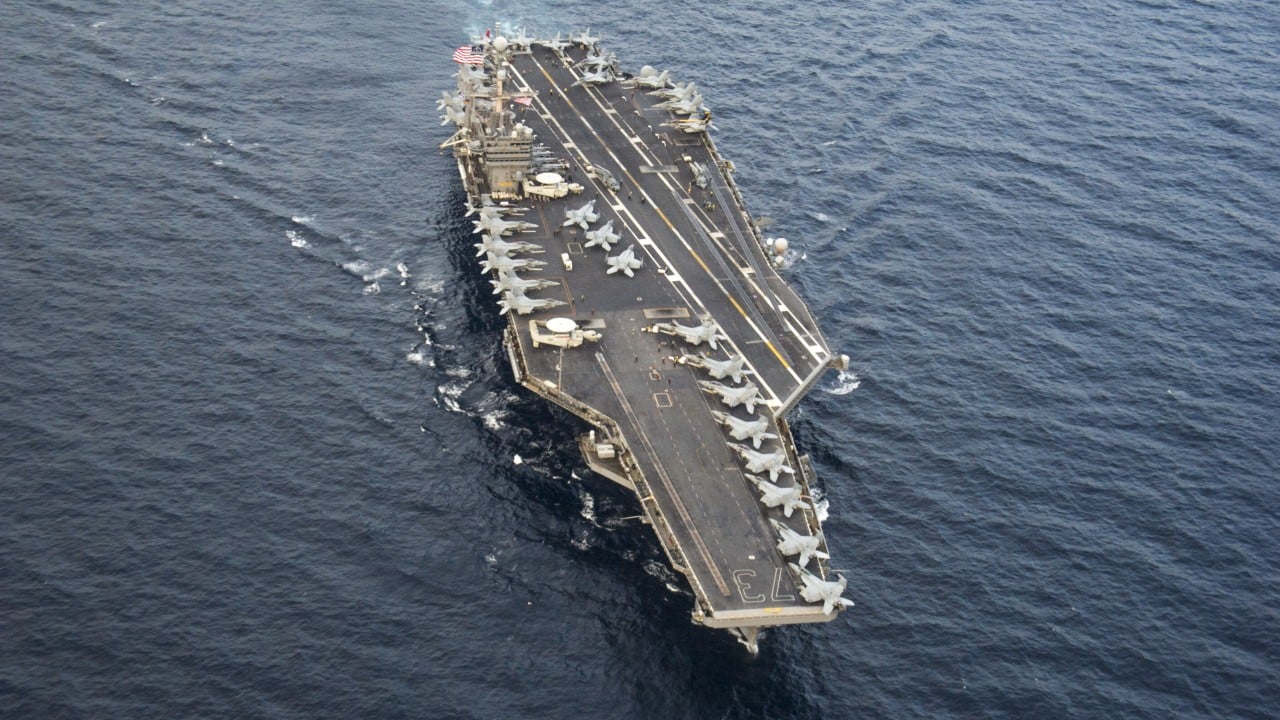
The United States is not disengaging from Asia but is instead "digging in" to maintain a favorable balance of power in the Indo-Pacific, a senior Pentagon official said on Monday. Undersecretary of Defence for Policy Elbridge Colby reiterated the US interest in the region and called for greater burden-sharing and partnership, rather than dependency.
Colby emphasized that America remains committed to the Indo-Pacific during a speech at a think-tank event in Manila, stating that the US is "not leaving; in fact, we are digging in."
The Philippines, the US's oldest treaty ally in Asia, is the first destination of Colby's Southeast Asian trip, which will also take him to Indonesia, Thailand, and Cambodia. Maintaining a favorable balance of power in the Indo-Pacific requires a "posture of deterrence by denial along the first island chain," Colby said, pointing to growing US military commitment in the region. The first island chain runs along East Asia's coastline, from the Kuril Islands through Japan, Taiwan, and the Philippines down to Borneo.
Colby argued that allies should invest more in their security, as relying solely on American forces would not suffice. "When we ask our allies and partners to step up, to invest more in their own defense, and to take responsibility for their own sovereign security, we are not signalling abandonment. We are looking for partners, not protectorates," he emphasized.
Taiwan, famously described as an "unsinkable aircraft carrier" by General Douglas MacArthur, played a pivotal role in the island chain concept. Although the strategy became less prominent after the Cold War, it resurfaced strongly after 1991 to counter a rising China.
The second island chain extends further east, incorporating the major US base at Guam and continuing through the Marianas to Palau and New Guinea. There is a theoretical third island chain from the Aleutians through Hawaii to Oceania, but the focus typically remains on the first two.
Written by urgent.news from South China Morning Post's reporting — not their text. Machine-written — may contain errors; check the original before relying on it.