Trump shifts Iran pressure towards economic squeeze
Arabian Post Staff -Dubai US President Donald Trump has signalled that Washington is holding back from another major military escalation against Iran while allowing sanctions, a naval blockade and severe economic pressure to increase the strain on Tehran. Trump said the United States was “low-keying it” and described contacts with Tehran as only partial negotiations. His remarks indicated that…
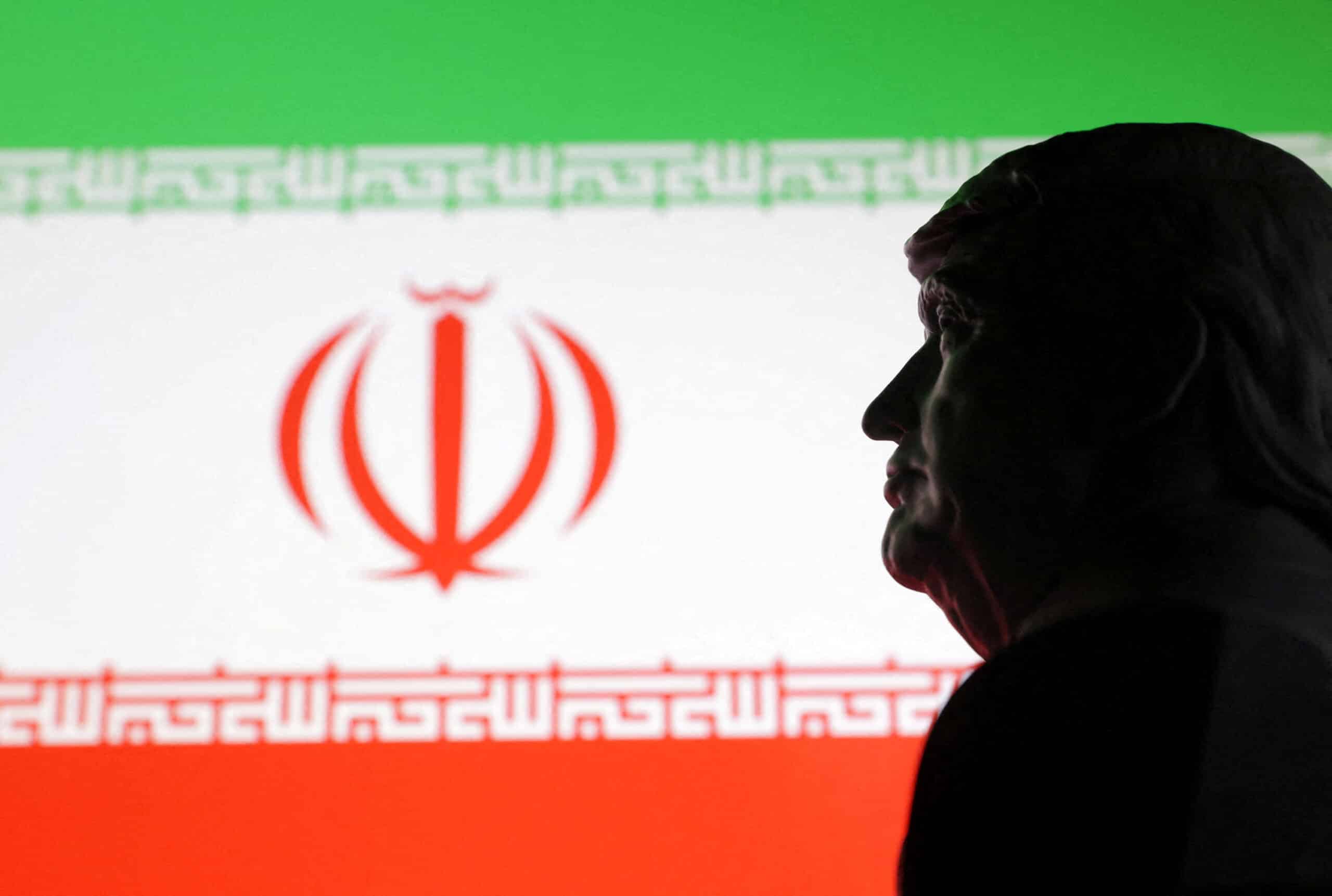
US President Donald Trump has signaled Washington's reluctance to engage in another major military confrontation with Iran, while simultaneously intensifying economic pressure on Tehran. The White House is reportedly "low-keying" its approach, describing ongoing contacts with Iran as partial negotiations. This shift in strategy appears to prioritize Iran's worsening economic situation as a more potent tool for leverage than further military action.
Iran, however, insists that formal negotiations can only resume once Washington addresses the breaches of commitments Tehran claims were made. As negotiations over the Strait of Hormuz remain stalled, even with progress on a separate agreement between Iran and Oman, Foreign Minister Abbas Araghchi maintains that finalizing the maritime arrangement will not guarantee the reopening of the waterway.
Iran's demands for compensation, sanctions relief, the release of frozen assets, and guarantees against further threats have hardened perceptions in Washington that Iran views control of the strait as significant bargaining power. Former US defense secretary Mark Esper noted Iran's increasing confidence and argued that Tehran's demands should be rejected, particularly the calls for US force withdrawal and sanctions removal.
Tehran's tougher stance is also attributed to its regional alliances and the ongoing activities of allied armed groups. The strategic importance of the Hormuz strait, which accounts for one-fifth of global oil and liquefied natural gas shipments, makes its reopening a priority for Gulf governments, major energy importers, and shipping companies.
A proposed Iran-Oman arrangement would establish temporary maritime routes, with vessels entering and exiting through waters near Iran and Oman, respectively. Gulf Cooperation Council members have supported this framework, which may ultimately include the United States and the International Maritime Organization. However, the terms of the agreement remain subject to change.
The White House has indicated readiness to lift its blockade of Iranian ports once arrangements for unobstructed shipping are established. Iran claims the blockade violates a June interim agreement and argues that messages transmitted through intermediaries do not constitute formal negotiations. Trump's focus on Iran's economic challenges adds to the pressure campaign, citing high inflation and a shortage of financial resources as reasons to avoid a new offensive.
The administration appears to believe that prolonged economic hardship could gradually weaken Iran's ability to comply with US demands. Despite these pressures, military options remain part of the ongoing confrontation. US stocks of critical munitions are reportedly under pressure following months of conflict, limiting the potential for further strikes.
A US official described ballistic missile interceptor inventories as extremely low, with expanded production potentially taking years to yield substantial additional supplies. The security situation around the strait remains unstable, with reports of an ADNOC-linked vessel being struck while passing through the waterway, though no casualties were reported.
Iranian forces have previously asserted that ships must coordinate their passage with Tehran, and proposed restrictions could target vessels connected to countries Iran considers hostile.
Written by urgent.news from Arabian Post's reporting — not their text. Machine-written — may contain errors; check the original before relying on it.