The US government wants to make it easier to build and launch floating nuclear reactors, 'unleashing American energy dominance'
The United States is backing international laws for floating nuclear reactors, while companies prepare for a potential maritime energy market.
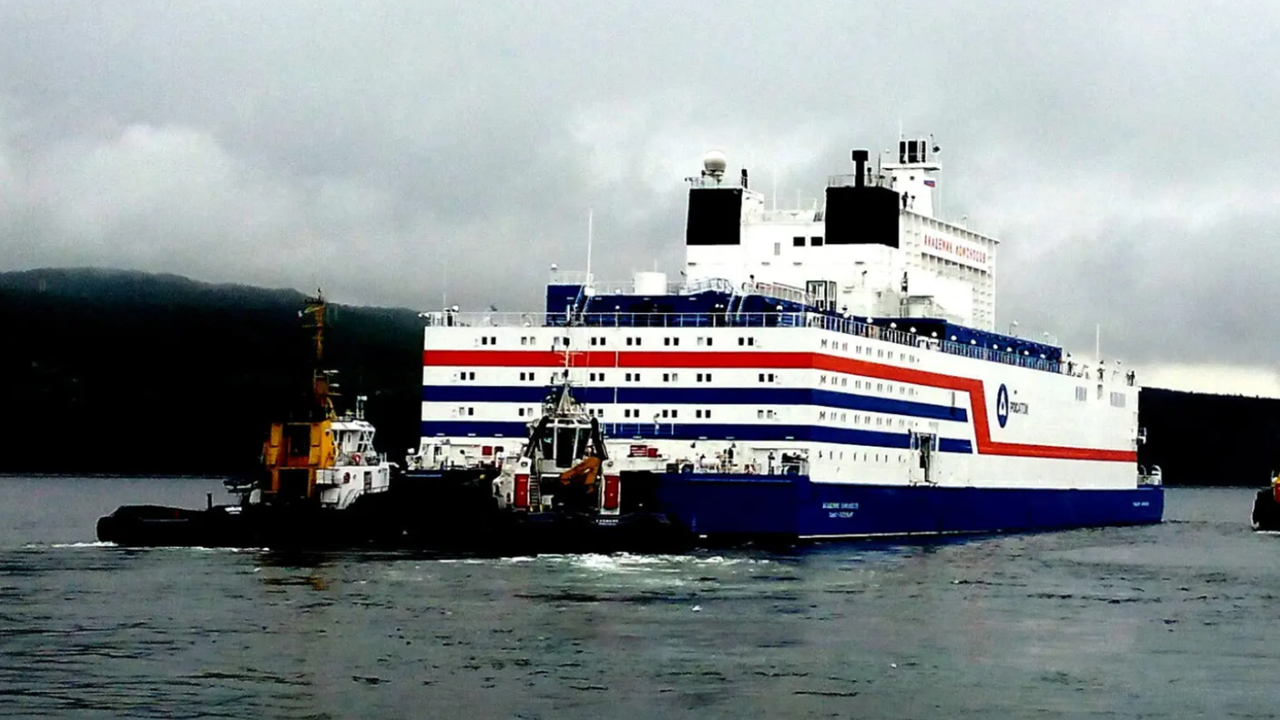
The United States government is pushing for regulations that would allow civilian nuclear reactors to operate on ships and floating platforms, aiming to boost American energy dominance. The International Atomic Energy Agency (IAEA) will launch a new initiative called ATLAS on August 26 and 27 in Washington to facilitate this process.
Small modular reactors (SMRs) could provide a safe, efficient, and cost-effective solution for maritime transport and offshore energy systems, offering high energy density and long operating cycles without the need for frequent refueling. The Department of Energy remains committed to unleashing American energy dominance, accelerating innovation, and providing reliable, affordable, and secure energy options for Americans.
Floating reactors carry both old and new risks. While the sea can serve as a vast heat sink for cooling, remote platforms may lack backup power, and emergency access could be more challenging offshore. Any accident could also pose a risk of radioactive contamination to nearby marine environments, endangering the very coastal communities the reactors aim to serve.
Despite these risks, the push toward floating and shipborne reactors demonstrates a renewed interest in nuclear power for maritime and offshore energy needs. The success of small modular reactor technology in making such projects economically viable remains to be seen.
Written by urgent.news from TechRadar's reporting — not their text. Machine-written — may contain errors; check the original before relying on it.