The poetics and politics of Bollywood storytelling since 1947
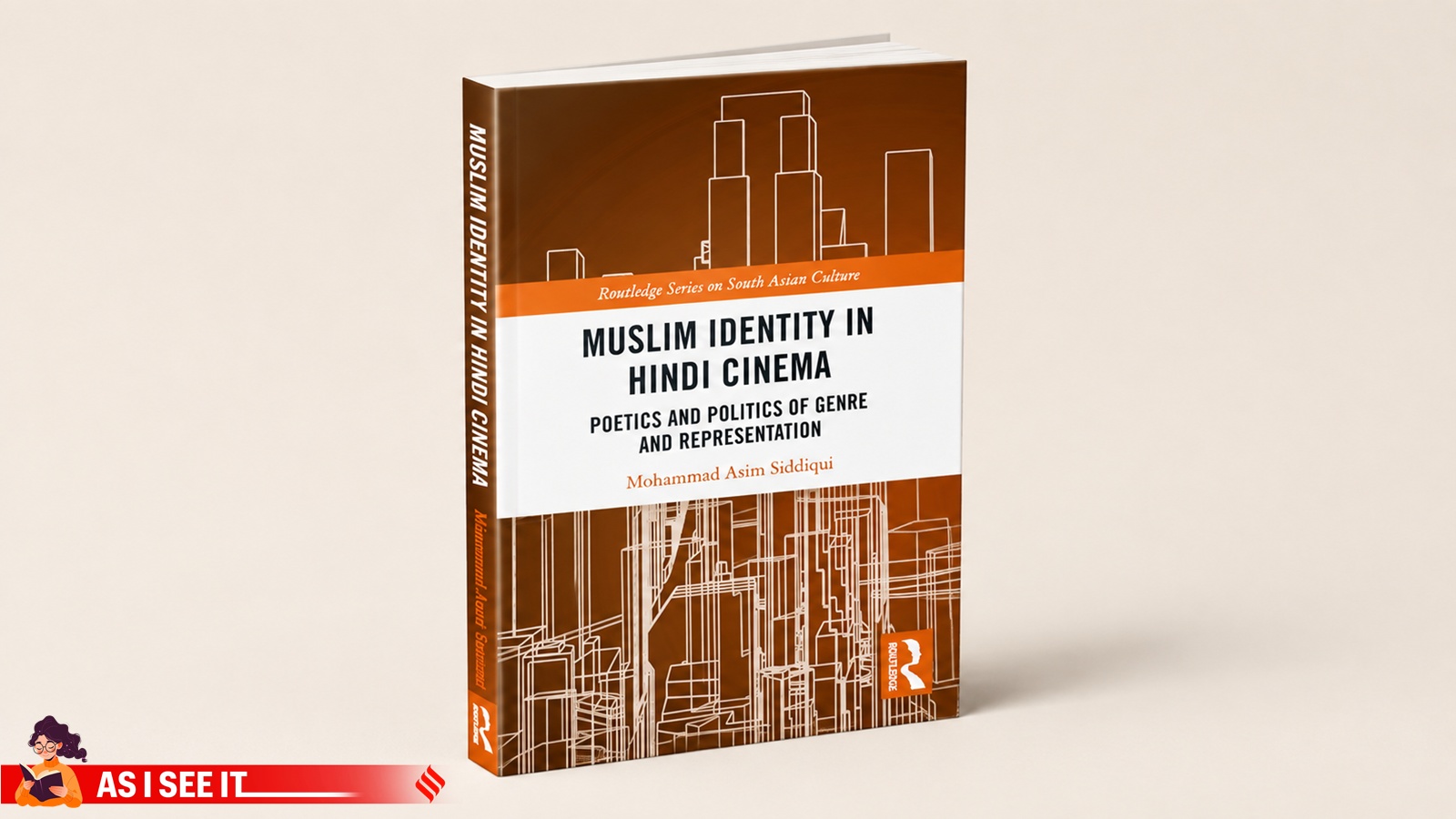
In 1991, Rahi Masum Raza delivered a landmark lecture at Aligarh Muslim University, asserting that cinema is a legitimate branch of literature and criticizing academic elites for dismissing films as unworthy of study. This call was taken up by Mohammad Asim Siddiqui in his recent Routledge book, "Muslim Identity in Hindi Cinema: Poetics and Politics of Genre and Representation."
The work meticulously examines how Hindi cinema has constructed, fetishized, and politicized Muslim identity since 1947, tracing a trajectory from the "Muslim Social" genre to contemporary majoritarian tropes.
Siddiqui begins by analyzing how early cinema utilized idealized Urdu diction, courtly etiquette, and nostalgic feudal aesthetics to render Muslims as culturally visible yet politically unthreatening. However, as the book progresses, it becomes evident that this romanticized isolation gradually fractured, with Hindi cinema increasingly framing Muslim identity through binary lenses—either as an exoticized relic of the past or a threat to the nation-state.
The author's analysis reveals a shift towards criminalized, hyper-visible urban settings after the 1970s, a change he interprets as part of a broader politics of stereotyping.
One of the book's key contributions lies in its exploration of internal community dynamics within Muslim communities. While Hindi cinema has addressed Hindu social issues such as caste discrimination, untouchability, widow remarriage, and agrarian feudalism, it has been much more reluctant to delve into socio-religious regression within Muslim communities.
Siddiqui contrasts this with Pakistani television dramas, which have been more forthcoming in addressing gender oppression and religious conservatism. He notes that Pakistan reformed its Muslim personal law in 1961, a fact that sets it apart from India.
Despite its strengths, the book is not without limitations. Siddiqui's analysis is heavily reliant on textual examination rather than industrial context, and it leaves out crucial aspects such as box-office economics, censorship, changing producer demographics, streaming platforms, and regional cinema. Despite these gaps, the book serves as a valuable resource for students and researchers of post-independence Indian history, offering a clear framework for understanding how popular media reflects and shapes majoritarian politics.
It raises important questions about what Hindi cinema shows and what it chooses to omit, serving as a reminder that popular cinema does not merely reflect society but actively participates in shaping it.
Written by urgent.news from The Indian Express's reporting — not their text. Machine-written — may contain errors; check the original before relying on it.