The Kremlin let Russia’s only anti-war party, Yabloko, onto the ballot to bleed protest votes. But when it started polling at 6%, the Supreme Court stepped in.
Yabloko last cleared the threshold for the State Duma in 1999, when it won 5.93 percent of the vote — above the 5 percent required for representation. In every parliamentary election since, opposition politicians — from the Communist Party to Yabloko’s own members — and independent observers have documented serious fraud.
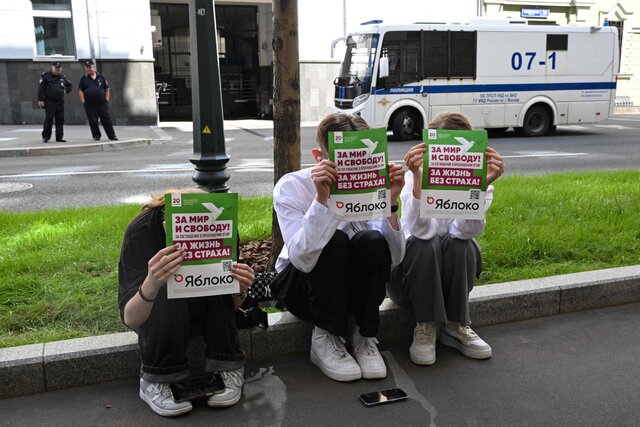
The Kremlin allowed Russia's anti-war party, Yabloko, to appear on the ballot as a way to attract protest voters. However, Yabloko's polling numbers reached 6% before the Supreme Court intervened. On August 10, 2026, the Supreme Court ruled in favor of a lawsuit filed by the Rodina party, removing Yabloko from the ballot for the State Duma, the country's lower house of parliament.
This decision came after years of documented fraud allegations against Yabloko, with its party co-founder Grigory Yavlinsky only winning 1.05 percent in the 2018 presidential election and Yabloko losing its state funding in the 2021 parliamentary election. Despite remaining active in several regions, Yabloko's registration was revoked in Karelia after Rodina, a far-right populist party, sued the party for copyright infringement and alleged receipt of foreign funding.
Other establishment parliamentary parties also joined the campaign against Yabloko, with some accusing it of receiving foreign support. The party's registration had initially been for strategic reasons, allowing New People, a party created by the administration's political bloc, to maintain its position as the second-largest faction in the State Duma.
Written by urgent.news from Meduza (English)'s reporting — not their text. Machine-written — may contain errors; check the original before relying on it.