Tampa Overhauls Rays $2.3B Stadium Funding As Clock Ticks
The city is shifting to a tax-increment financing structure.
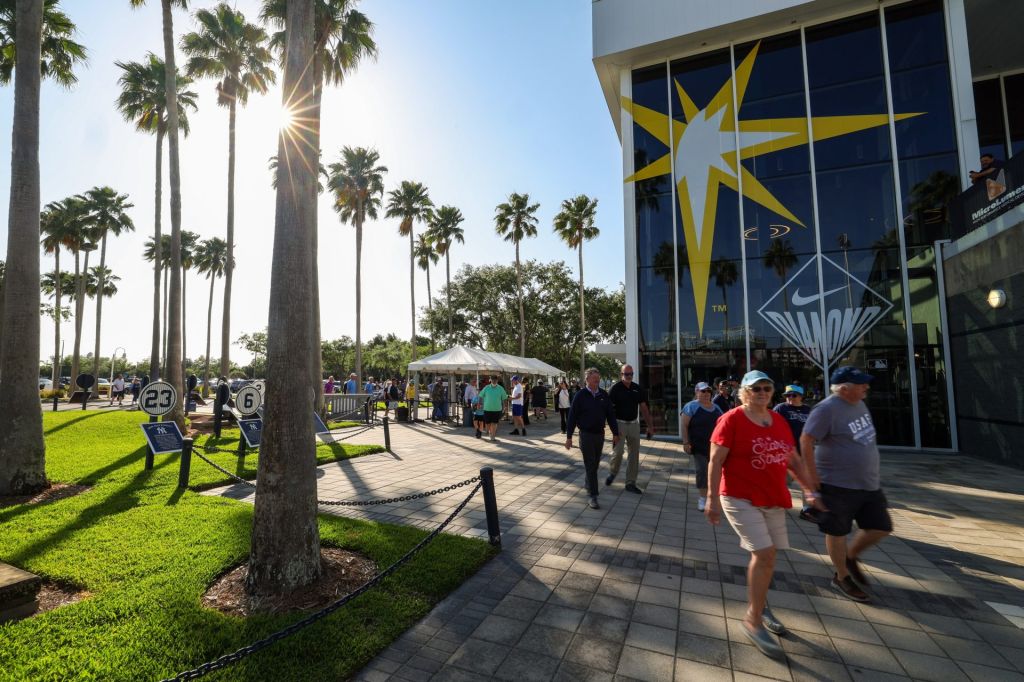
The Tampa Rays are facing a tight deadline to finalize a deal for their $2.3 billion new ballpark, and they are exploring a different funding model. Previously, the city had planned to contribute up to $180 million through a community investment tax and a community redevelopment area. However, Tampa leaders are now considering a tax-increment financing (TIF) model based on the commercial activity generated around the ballpark.
This revised structure is intended to tap into the revenue from the mixed-use development surrounding the stadium, rather than relying on funds earmarked for broader public needs. The goal is to create a mutually beneficial arrangement for the city, the Rays, and the public. City Council member Bill Carlson, a key swing voter, emphasized that the new approach aims to generate a "win-win-win" situation.
By shifting from direct payments to participating in a revenue stream, the city can fund stadium infrastructure without raising taxes. This shift is expected to strengthen political support for the project, which has faced growing opposition between Tampa Mayor Jane Castor and the city council. The Rays aim to open the new 30,000-seat domed ballpark, along with a mixed-use development inspired by Atlanta's The Battery, by the 2029 season.
The total public-sector contribution is capped at $976 million, with the remaining costs shouldered by the Rays and any cost overruns. Hillsborough County remains deeply involved, and whether city-level financing changes will lead to additional adjustments in the overall stadium funding model is yet to be determined.
Written by urgent.news from Front Office Sports's reporting — not their text. Machine-written — may contain errors; check the original before relying on it.