Taiwan turns to Ukraine’s drone war lessons as China invasion fears grow
Taiwan is accelerating preparations for a possible war with China, studying Ukraine’s battlefield use of drones as it ramps up production of unmanned aircraft and drone boats, The New York Times reported on Aug. 9.
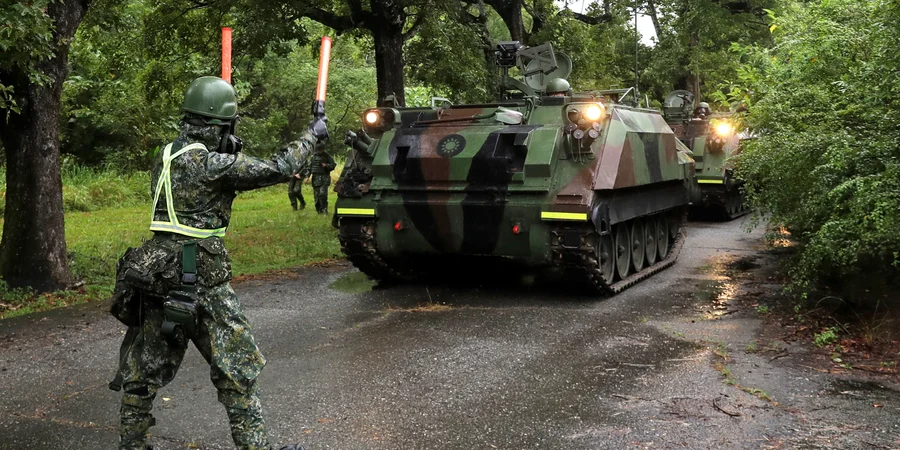
Taiwan is ramping up its preparations for a potential war with China, drawing inspiration from Ukraine's drone war tactics, according to a report by The New York Times on August 9. The new defense strategy, dubbed "Hellscape," emphasizes the extensive use of drones, unmanned boats, missiles, and artillery to make a Chinese invasion as costly as possible for Beijing. The goal is to create conditions so unfavorable that an attempted takeover of Taiwan becomes too risky for China.
The military of Taiwan is closely examining Ukraine's use of drones, which have proven effective against a more powerful adversary. Taiwan is especially interested in Ukraine's long-range drone capabilities, which could enable it to target Chinese vessels before they get close to the island. Lt. Gen. Huang Wen-chi, the director of the Strategic Planning Office at Taiwan's Defense Ministry, acknowledged that their drone and counter-drone efforts were initially haphazard.
However, they are now ramping up production with a plan to manufacture up to 100,000 drones per month by 2030. The armed forces aim to acquire more than 210,000 aerial and maritime drones.
Taiwan's drone exports are also growing rapidly, with $115 million worth of drones sold abroad in the first three months of 2026, surpassing the total exports for all of 2025. The Czech Republic has been the top destination for these sales, and some Taiwanese-made drones are already being shipped to Ukraine. To cope with this new defense strategy, Taiwan is restructuring its military. A new coastal defense command has been established, integrating drones, mobile missile systems, and artillery.
China is also in the midst of a major reorganization of its military leadership. Out of 27 senior command posts, 21 currently lack permanent leaders. Only six positions are filled by top-ranking generals, while lieutenant generals are serving as acting leaders in about 20 posts. This significant purge has compelled Xi Jinping to rebuild a substantial portion of the military leadership.
New generals are being promoted in small groups after undergoing additional political vetting, with loyalty to Xi remaining a key consideration.
Written by urgent.news from New Voice of Ukraine's reporting — not their text. Machine-written — may contain errors; check the original before relying on it.