Smarte Brillen: Faszinierend, nützlich, unheimlich – Smart Glasses im Test
KI-Assistent, Navigation und Übersetzer direkt vor den Augen: Smarte Brillen zeigen einen Alltag nach den Smartphones. Ein Selbsttest offenbart jedoch ein zentrales Problem.
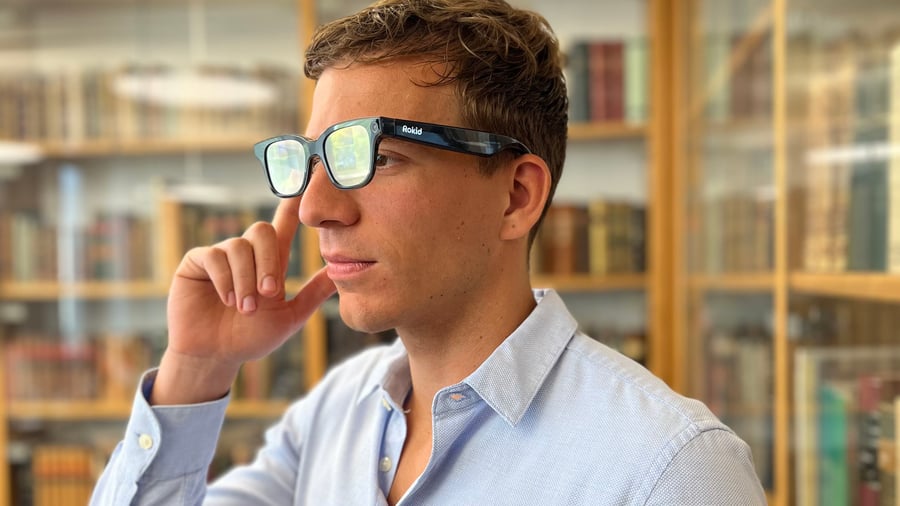
Düsseldorf – Staring at the person next to me, I noticed they were speaking Spanish. Normally, I would attempt to decipher the gist of their words using my limited foreign language skills. This time, however, a new tool has come to my aid. A smart AI glasses that displays the translation in German right before my eyes. I do not need to reach for my smartphone or open an app.
All I have to do is look straight ahead and stay in the conversation. For two days, I have tested the tech showcased by companies from Silicon Valley and China. The computer moves from the handheld screen to the field of vision. We no longer carry AI assistants, camera, navigation, and translation in our pockets, but directly on our noses.
The promise is not new. Google had brought the first glasses to the market more than a decade ago, but failed. Today, the technology is much further along. The microprocessors in the bands hold the secret. The tiny display shows a green text field that directly overlays the field of view. This sounds futuristic, but it also feels that way. My test device: Rokid Glasses.
Written by urgent.news from Handelsblatt's reporting — not their text. Machine-written — may contain errors; check the original before relying on it.