Shein finds there's no place like China after Vietnam warehouse experiment disappoints
U.S. exemptions for duties on small parcels from China that underpinned its business model looked as if they would be abolished, Donald Trump had just been elected U.S. president for a second term and fears of a heightened trade war were soon realised, with U.S. tariffs on many Chinese goods rocketing to 145% by April 2025.
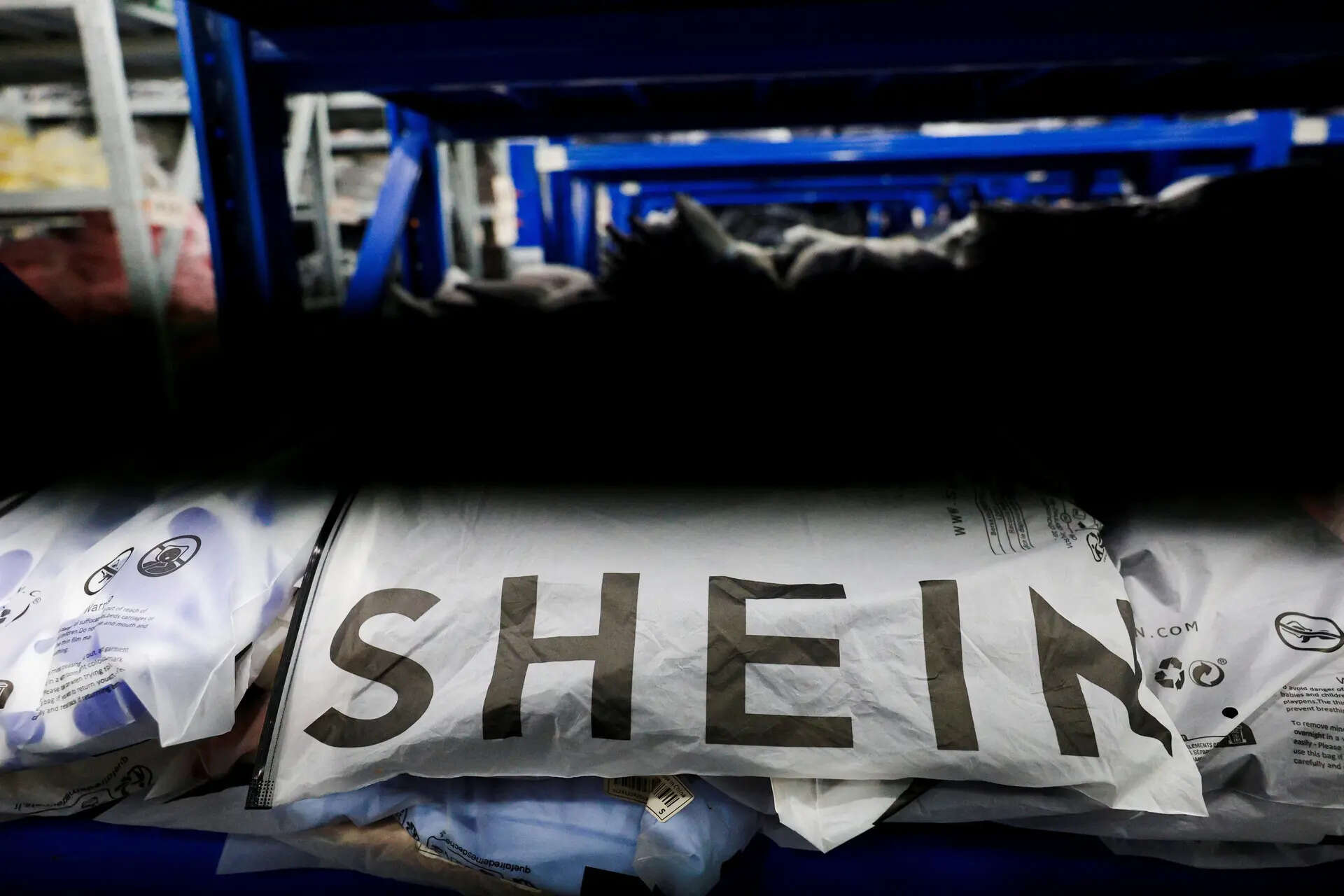
China's ultra-fast fashion retailer Shein had invested heavily in Vietnam, leasing a large warehouse near Ho Chi Minh City in late 2024 as part of an experiment to establish the country as a major export hub. However, the gamble did not pay off as anticipated. The U.S. ended its de minimis duty-free exemption for shipments under $800 from all countries, including Vietnam, in July 2025, and imposed high tariffs on Chinese goods.
Vietnamese apparel still faced smaller tariffs than Chinese clothing, but the advantage was diminished. Moreover, finding Vietnamese workers willing to work long hours for low wages was proving challenging. Shein's network of suppliers in China produced clothing at low margins and with rapid turnaround times, but Vietnamese suppliers were finding the conditions less viable.
As a result, Shein began withdrawing from Vietnam, with dozens of workers laid off and the leasing area reduced from 15 hectares to 6 hectares. The company is now focusing more on its Chinese manufacturing base and pursuing a Hong Kong IPO, while also investing in Guangdong province.
Written by urgent.news from Economic Times Tech's reporting — not their text. Machine-written — may contain errors; check the original before relying on it.