Severe COVID-19 linked to reactivation of some dormant viruses, study finds
Severe COVID-19 may reactivate some dormant viruses that remain in the body after previous infections, a new study suggests.
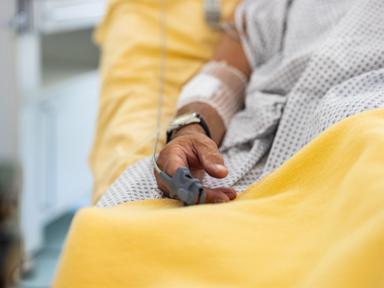
New study reveals that 11 dormant viruses, such as herpes viruses and Anelloviridae, can reactivate within 40 days of SARS-CoV-2 hospital admission for COVID-19. Researchers from Boston Children's Hospital and other U.S. and Canadian institutions analyzed over 200,000 samples collected over a year from 1,154 hospitalized COVID-19 patients.
Reactivation of Anelloviridae, a virus present in most adults, has been linked to long-term physical disability and long COVID, a condition with persistent symptoms four weeks post-infection. Study co-author Dr. Ofer Levy expressed surprise at the findings, which suggest a new mechanism of viral reactivation during severe illness.
The study, published in Nature, did not establish a direct link between reactivated viruses and long COVID or long-term disability, but raises questions about their potential role in COVID-19 severity and outcome. Experts caution that more research is needed to confirm these associations and understand the implications for future diagnostics and treatments.
Written by urgent.news from ABC News (US)'s reporting — not their text. Machine-written — may contain errors; check the original before relying on it.
This story
This is one outlet's version. Read the fullest account.