Seoul's historic Deoksu Palace turns to high-tech security to detect intruders
Beneath the curved eaves and ornate wooden beams of Deoksu Palace, where Korea’s last monarchs once navigated the closing days of the 1392-1910 Joseon Dynasty, a quieter form of vigilance has taken root. The historic site in central Seoul, long vulnerable to unauthorized visitors and accidental damage, has quietly adopted modern sensor technology to safeguard its centuries-old timber structures.…
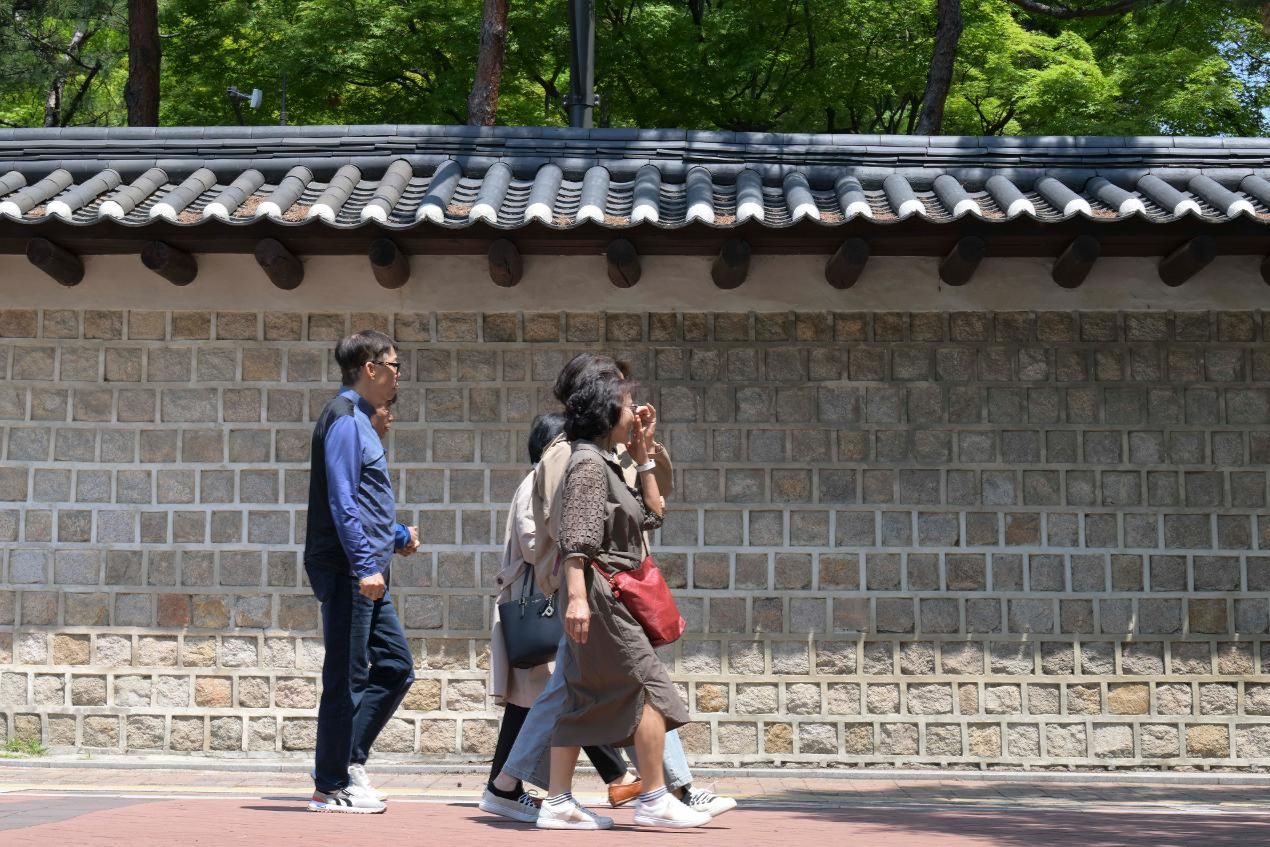
Deoksu Palace, once home to Korea's last rulers during the Joseon Dynasty (1392-1910), has embraced modern technology to protect its historical significance. Nestled in central Seoul, this ancient site, characterized by its curved eaves and wooden beams, has recently installed an advanced intrusion detection system. The Deoksu Palace Management Office, a department under the Korea Heritage Service, unveiled the upgraded security measures on Monday.
The new system encompasses passive infrared motion sensors and automated warning broadcasting units within the palace's primary halls, such as Junghwajeon, Hamnyeongjeon, and Seogeodang. This technological advancement is part of a continuous endeavor by Korean heritage authorities to adapt preservation methods in a country acutely aware of the rapid decay of its wooden treasures.
Traditional East Asian timber architecture, constructed without modern fire-resistant materials, faces an increased risk of damage or destruction.
Written by urgent.news from The Korea Times's reporting — not their text. Machine-written — may contain errors; check the original before relying on it.