Sarawak bears brunt of worsening haze, Serian API hits 179
KUALA LUMPUR: Air quality in 10 locations across the country are recording higher unhealthy Air Pollutant Index (API) levels since yesterday, with Sarawak being the worst hit.
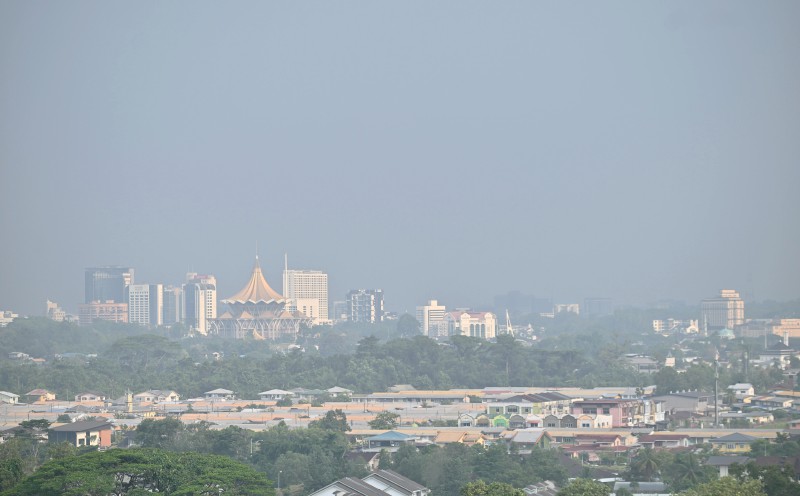
Haze has returned to Malaysia's Sarawak and Selangor states as Indonesian forest fires burn out of control. On Monday, at least two states recorded unhealthy air quality readings due to smoke from the wildfires carried by transboundary winds. Malaysia and Singapore frequently experience haze affecting their air quality as Indonesia's vast forests and agricultural lands become fire-prone during the dry season.
A wildfire recently torched 550 hectares (1,360 acres) of land in East Java's Bromo Tengger Semeru National Park, one of several large fires that spread rapidly across the island last week amid an unusually dry season. In Sarawak, the air pollution index (API) peaked at 182 in the southern Serian district, while Selangor's Johan Setia district reported the highest API reading of 152 in Peninsular Malaysia.
The Sarawak government advised the public to minimize outdoor activities while the issue persists, as the state has limited control over the sources of the haze. Malaysia's Meteorological Service warned that hot weather and reduced rainfall until Friday may exacerbate the haze situation. The transboundary haze problem has long been a recurring issue in Southeast Asia, particularly impacting Malaysia and Singapore due to their proximity to Indonesia.
The 1997-1998 and 2015 crises caused numerous deaths and hospitalizations across the region. Despite efforts by Asean to address the issue through agreements such as the 1997 Regional Haze Action Plan, enforcement remains weak, and Asean's policy of non-interference in member countries' internal affairs continues to hinder progress.
Both Malaysia and Singapore have accused Indonesia of failing to curb open burning, often carried out by farmers preparing their land for planting season. Indonesia denies these claims and asserts it has intensified enforcement against companies allowing wildfires to spread on their concessions.
Written by urgent.news from South China Morning Post's reporting — not their text. Machine-written — may contain errors; check the original before relying on it.