S Y Quraishi writes| EC’s real test: Winning the confidence of the Opposition
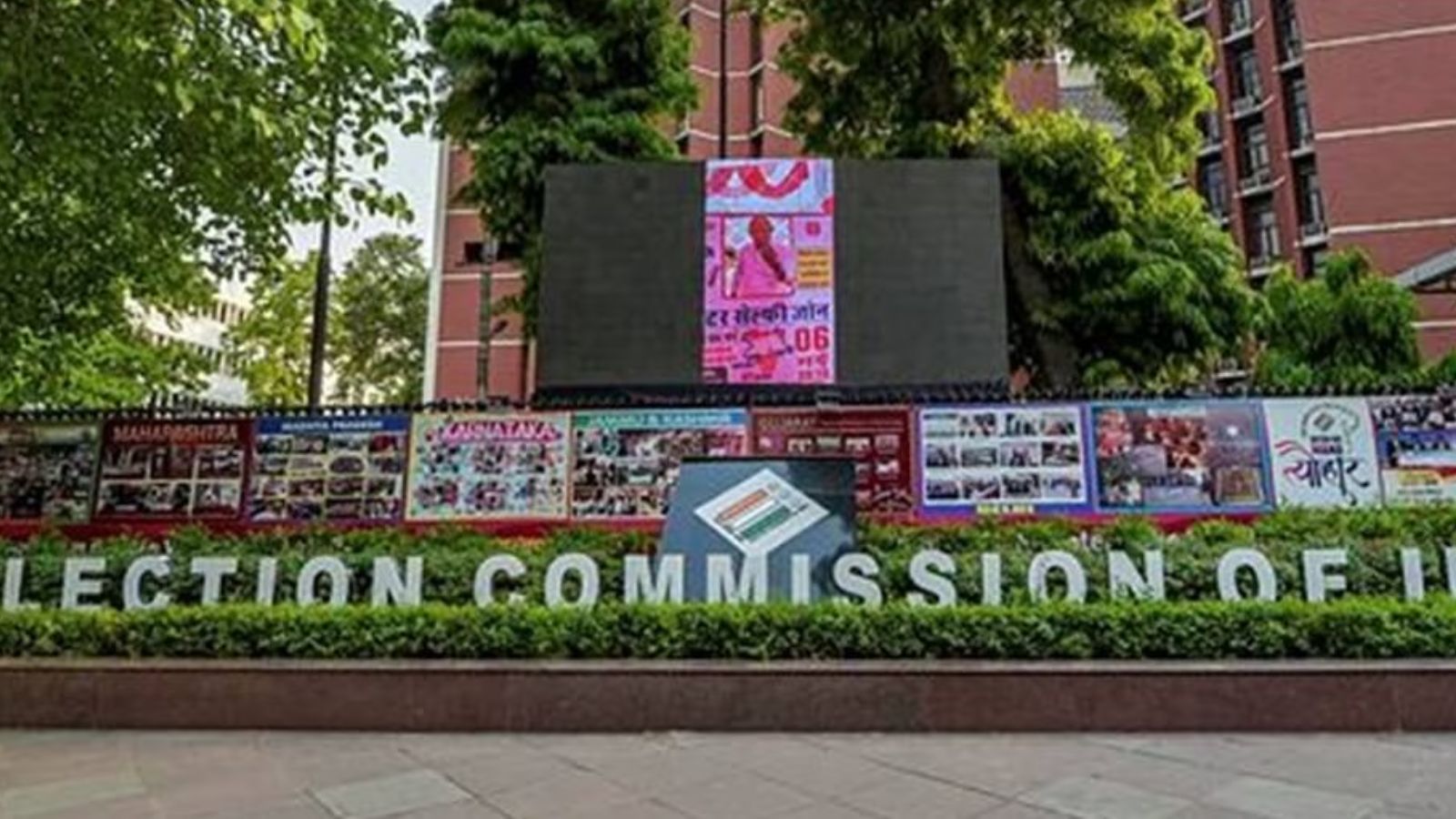
In the weeks following the publication of her memoir, "India and I," S Y Quraishi found herself repeatedly questioned by interviewers and readers about her belief that the Opposition deserved preferential treatment from the Election Commission (EC). The foundation of her perspective lies in the constitutional philosophy of election management: the ruling party requires regulation, while the Opposition necessitates reassurance.
The EC must provide both, ensuring that elections command public confidence by maintaining an impartial referee, far removed from the contestants, especially the ruling party.
The EC was established as an independent constitutional authority to protect the integrity of the electoral process, with serving civil servants stepping into this constitutional role upon resignation from their government positions. The Supreme Court has consistently affirmed this vision, emphasizing that an independent EC is crucial for free and fair elections, which form part of the Constitution's basic structure.
However, constitutional independence cannot be solely based on legal safeguards; it must also be reflected in institutional behavior. The EC must maintain an arm's-length relationship with the executive to prevent any perception of a cosy relationship that could erode public confidence. Recognizing the asymmetry in power dynamics is essential.
The party in power wields administrative machinery, public visibility, and official resources, while the Opposition relies on its voice and confidence that an impartial constitutional authority will hear it fairly.
During her tenure as Chief Election Commissioner, Quraishi instructed her officers to accommodate Opposition party requests for appointments at the earliest, regardless of the short notice. This approach was not due to favoritism but to ensure a patient hearing for all parties, maintaining the Commission's neutrality. When Opposition leader Lalu Prasad Yadav requested specific supervision during the 2010 Bihar Assembly election, Quraishi granted his request, preserving confidence in the electoral process despite his subsequent defeat.
Throughout her time at the EC, the Bharatiya Janata Party frequently approached the Commission with complaints, receiving the same patient and even-handed treatment as Opposition parties. Notably, Arun Jaitley, initially hesitant, later praised Quraishi as "one of India's most mature and credible Chief Election Commissioners" due to her impartiality and institutional fairness.
Recent developments, however, have raised concerns. Opposition parties in the 2024 general election complained about delayed and opaque consideration of their MCC-related representations. EC Commissioner Ashok Lavasa faced backlash for reportedly protesting these delays, leading to his dismissal. Additionally, 23 Opposition parties wrote to the Chief Justice of India, expressing serious concerns about the EC's handling of the Special Intensive Revision of electoral rolls.
While the validity of these grievances is debatable, the core issue lies in the EC's ability to maintain the confidence of the Opposition, which is often more exacting than that of the ruling party.
Written by urgent.news from The Indian Express's reporting — not their text. Machine-written — may contain errors; check the original before relying on it.