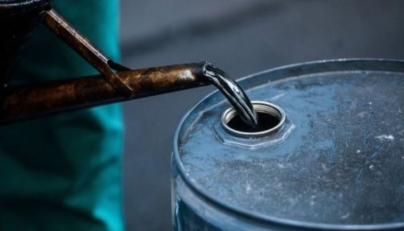
Rice use for ethanol may rise as maize, sugarcane acreage falls this Kharif season
India is set to ramp up rice utilization for ethanol production this year, amid reduced planting of maize and sugarcane, raising concerns about feedstock availability. Fortunately, the government maintains a healthy stock of rice, offering a safety net. With sugar prices soaring to unprecedented levels due to crop output fears, this strategy aligns with India's ambitious goal of achieving a 20%…
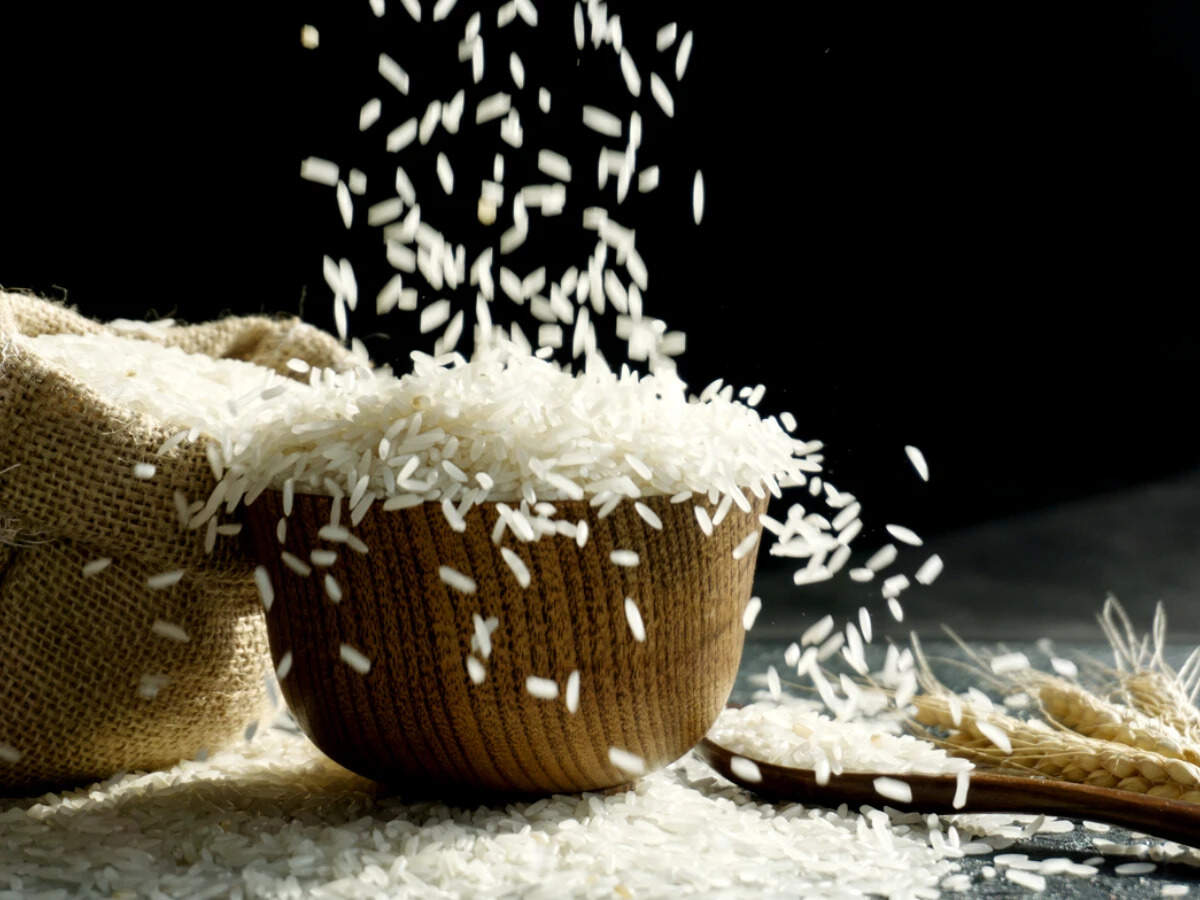
New Delhi: As maize and sugarcane acreage declines this Kharif season, India may increasingly rely on rice for ethanol production, senior sugar industry executives warn. Rice's share in ethanol feedstock could rise by approximately 15-20% in the current season, currently standing at around 26.79%, said industry insiders. Sugarcane contributes about 28% to ethanol production at present. While maize planting has dropped by 4%, sugarcane planting has fallen by just 0.85%, according to government data.
This shift is crucial as sugar prices surge to record highs due to concerns over the next crop. Maharashtra and Karnataka, two major sugarcane-producing states, have faced weak rainfall, raising fears of a lower sugarcane output next year. The government might ask sugar mills to cap ethanol production from sugarcane juice and B-heavy molasses, shifting towards grains instead.
Rice stocks are comfortable, with government reserves at a record 68.43 million tonnes as of June 1, well above the 13.5 million tonnes buffer requirement for July 1.
With India aiming for 20% ethanol blending in petrol, any reduction in ethanol availability from sugarcane may necessitate greater use of grain-based feedstocks like rice and maize. Adequate grain stocks could mitigate this, but a decline in crop yields could also push up food prices. Lower rainfall this year raises concerns about higher food prices in the coming months, with delayed and below-normal rains affecting planting and yields.
Sugar prices have already reached record levels and may remain elevated during the festival season. The government has restricted sugar exports and imposed stockholding limits on traders to control domestic prices and ensure availability.
Additionally, the food ministry has allocated 72 lakh tonnes of rice from government stocks for distilleries for the next ethanol supply year, up from 52 lakh tonnes in 2025-26. An extra 55 lakh tonnes of 100% broken rice is available through e-auctions for ethanol manufacturers. This could provide a more stable feedstock base as the government assesses the potential for increasing ethanol blending beyond the current 20% level.
Written by urgent.news from The Economic Times - Economy's reporting — not their text. Machine-written — may contain errors; check the original before relying on it.