Quantum voting trickery could make elections more secure
In an election, how can you make sure that everyone's votes are counted but also kept entirely secret? Quantum mechanics may have the answer
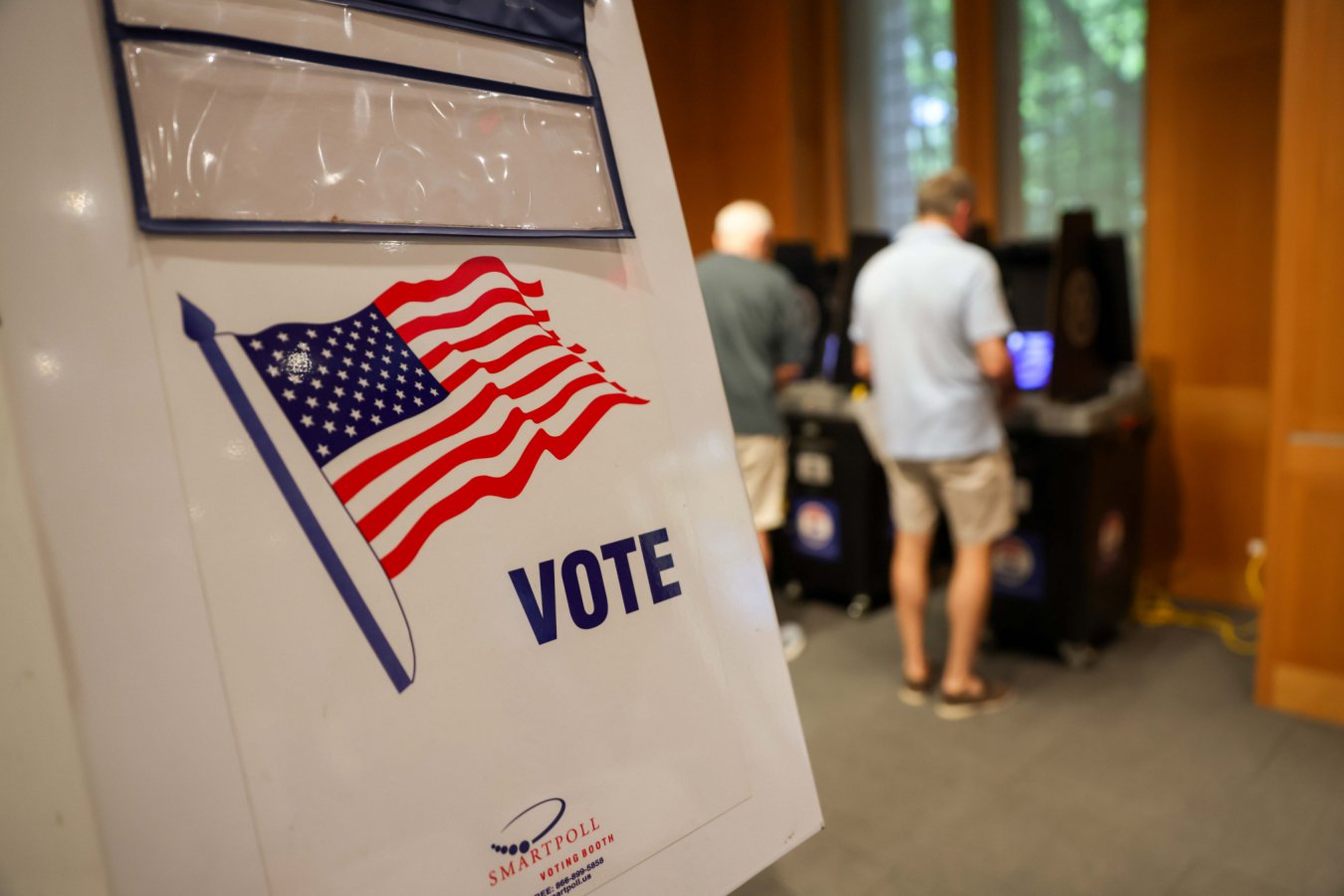
Researchers in France recently developed and tested a quantum-based voting system that promises both anonymity and security for every ballot. The method involves four rounds of voting, with each voter assigned a unique index and a random bit (0 or 1). The key lies in ensuring that the total number of 1s distributed remains even.
During voting, those whose index matches the round send their bit, while others transmit nothing, leaving only random sequences. The final tally hinges on whether the number of 1s cast is odd (favoring tofu) or even (favoring mushroom). The system is safeguarded by replacing bits with entangled photons, which makes it impossible for anyone to intercept the exact vote details.
Any attempt to tamper with a photon would be detected by the other voters. While the experiments prove the concept, scaling up for larger elections faces hurdles such as the fragility of entangled states and difficulty in transmitting them over long distances. Nonetheless, the technology could be particularly useful for small councils, anonymous message boards, or distributed computations across untrusted quantum computers.
Written by urgent.news from New Scientist's reporting — not their text. Machine-written — may contain errors; check the original before relying on it.