Qatar animal rescuers urge stronger focus on sterilisation, adoption
For volunteers caring for Qatar’s community cats, rescue is often the final chapter of a much longer story. By the time an injured cat reaches a veterinary clinic, it may already have survived months ...
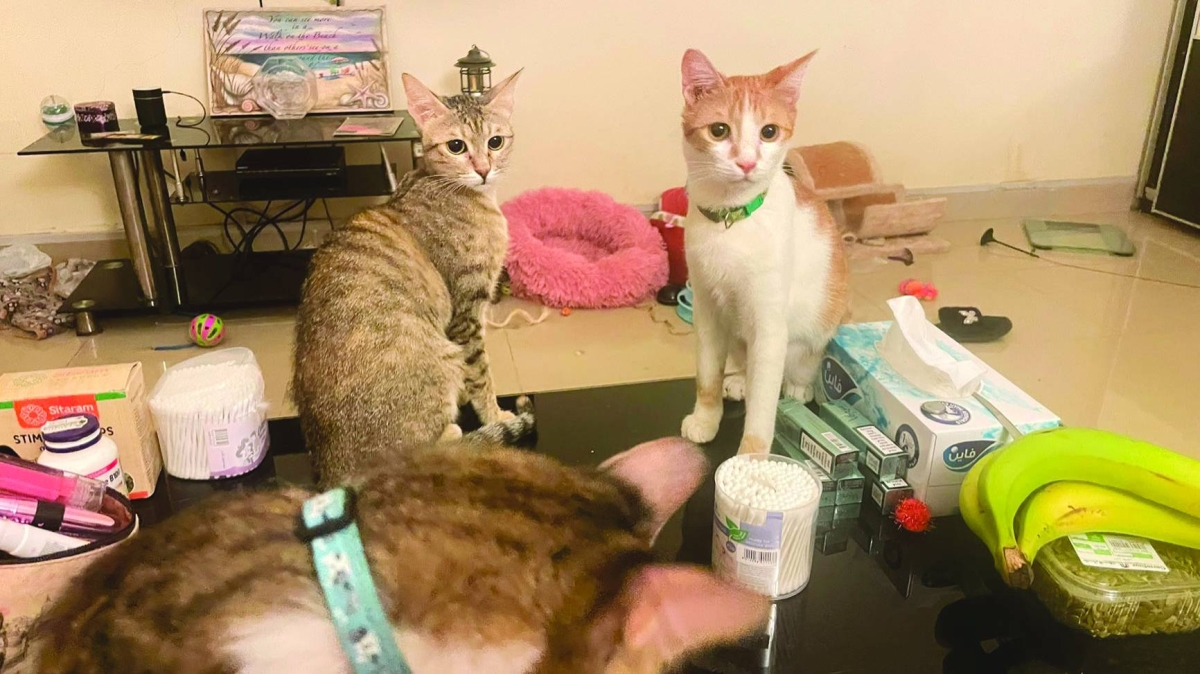
Rescuers working with community cats in Qatar emphasize the importance of sterilization and adoption to prevent future emergencies. Many of the animals they rescue have already endured hardships such as hunger, disease, accidents, or abandonment before reaching a veterinary clinic. Recognizing that these incidents could be avoided, volunteer groups advocate for a shift from rescue-focused efforts to preventive measures.
Iryna Tymoshenko, an independent rescuer, shares a personal journey that began seven years ago when she found orphaned kittens. Her mission now involves caring for 72 cats, rescuing sick or injured community animals, and helping them find permanent homes. Tymoshenko spends about QR1,500 monthly on food, water, and emergency medical care, with the latter accounting for significant financial strain.
The emotional toll of potentially being the last hope for these animals adds another layer of difficulty. Despite the challenges, she remains committed because every rescue offers a chance at life. Tymoshenko promotes Trap-Neuter-Return (TNR) programmes, stricter regulation of breeders and pet shops, and increased awareness of adoption to address the root of the issue.
Sabina Huseynova, another resident volunteer, echoes this sentiment, feeding stray cats and dogs daily and contributing financially to sterilization procedures. She believes that sterilization, rather than relocation, is essential for managing community cat populations sustainably. Similar organizations stress the importance of responsible pet ownership, adoption over buying, and ensuring that pets are taken when families move.
TNR Qatar emphasizes the need for public understanding of TNR and encourages residents to participate through volunteering, supporting spay-and-neuter procedures, or advocating for mandatory registration of pets. Streets of Stray advises residents to contribute in various ways, from volunteering with rescue groups to cleaning feeding areas.
Despite their differences, these organizations share a common goal: to prevent the need for rescues by promoting responsible pet ownership, widespread sterilization, adoption, and community awareness. They believe that healthier cat populations and fewer unwanted litters can be achieved through these measures, ultimately transforming Qatar's approach to animal welfare.
Written by urgent.news from Gulf Times's reporting — not their text. Machine-written — may contain errors; check the original before relying on it.