Preise: Ifo: Irankrieg trifft ärmere Haushalte und Rentner besonders
Die Forscher sprechen von einem Preisschock. Insgesamt müssen deutsche Haushalte Milliarden an zusätzlichen Ausgaben bewältigen.
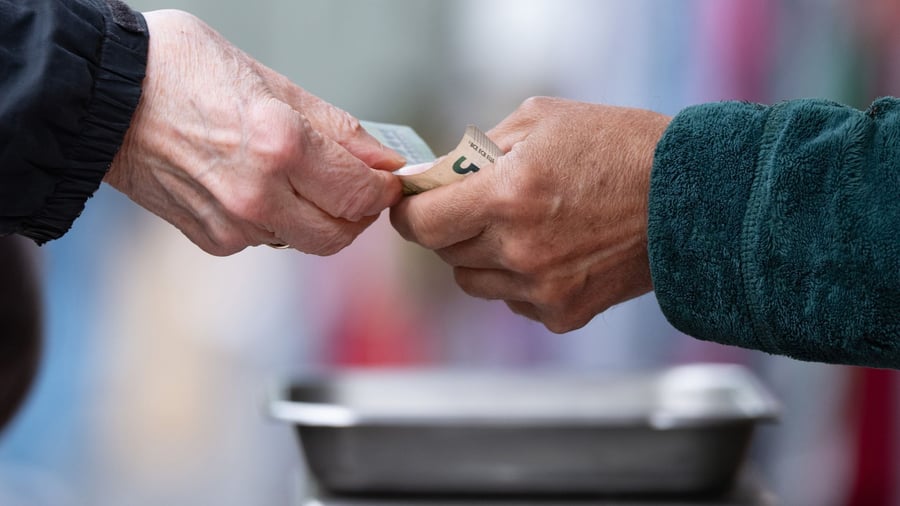
The financial consequences of the Iran war particularly affect low-income households and retirees, according to calculations by the Munich Ifo Institute. The ten percent of households with the lowest incomes lose up to 2.87 percent of their disposable income, while the highest-income households experience a loss of only 0.65 percent.
Ifo researcher Tiphaine Wibault explains that poorer households are less able to cope with a price shock originating thousands of kilometers away and suffer greater declines in purchasing power. The calculated values are upper limits, as consumers typically adjust their consumption behavior in response to significant price increases.
Overall, economists estimate that consumer spending of German households will rise by 16.8 billion euros due to the Iran war and its consequences. The average loss across all households is about 1.15 percent of disposable income. "Precisely because there is no European price ceiling for this shock, as there was in the 2022 energy crisis, the burden lands almost unbridled on households - and especially on those with low incomes," says Ifo expert Andreas Peichl.
Retirees are also heavily affected, with pensioner couples losing 1.53 percent and single seniors 1.45 percent of their income. This is due to the fact that retirees have no income buffer as wages and must spend an above-average share of their budget on heating and energy costs. The calculations are based on a comparison of economic forecasts before and after the start of the war.
Since the start of the Iran war in late February, prices for heating oil and fuels have risen sharply, and high transport costs also affect other goods.
Written by urgent.news from Handelsblatt's reporting — not their text. Machine-written — may contain errors; check the original before relying on it.