Pet Hamsters Linked to Rare Brain Disorder
(MedPage Today) -- People with autoimmune cerebellar ataxia were more likely to have been exposed to pet hamsters versus a control group, a hospital-based study in China suggested. Among patients matched on age and sex, hamster exposure was more...
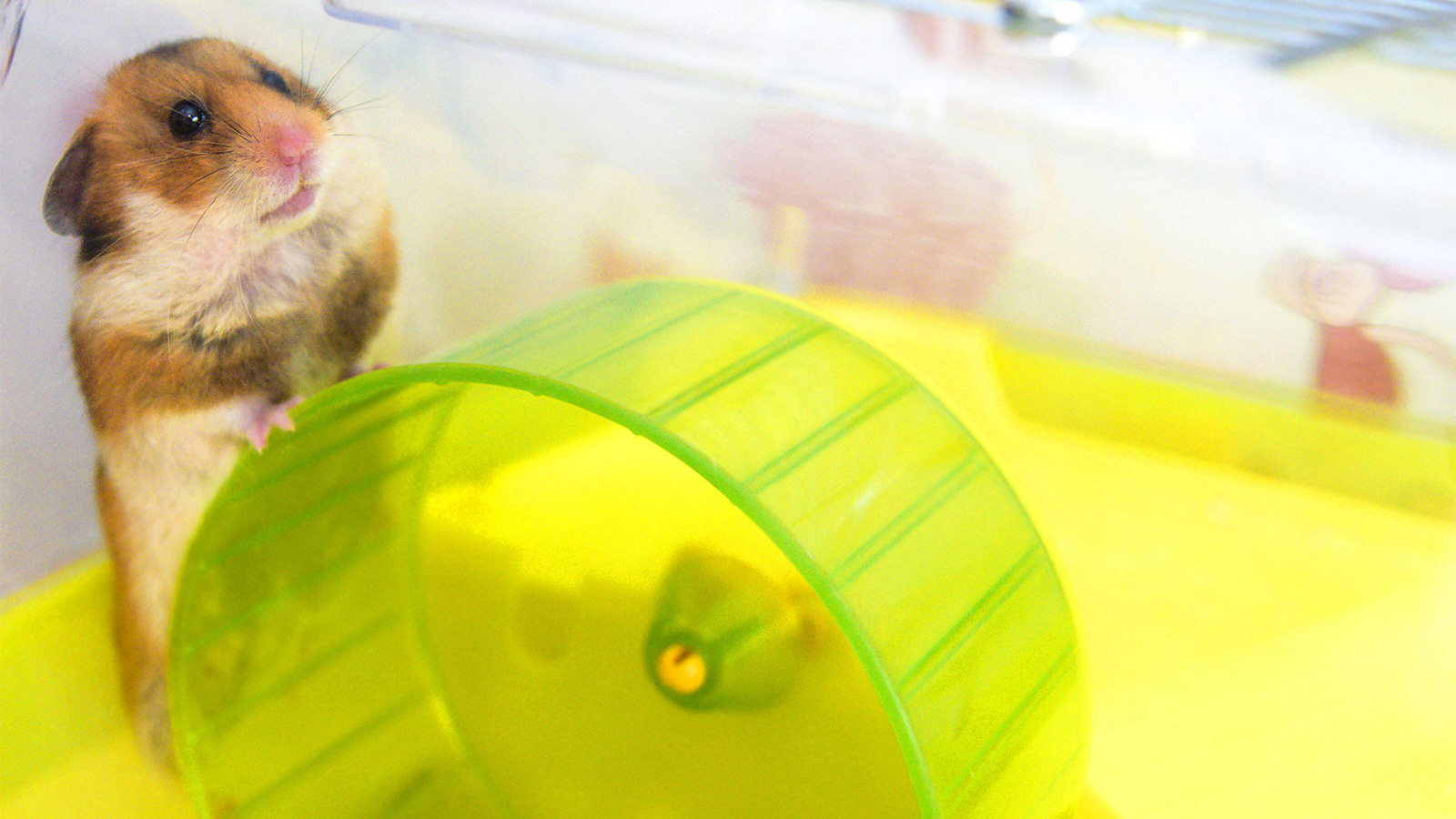
A hospital study in China found a potential link between pet hamsters and a rare brain disorder called autoimmune cerebellar ataxia. Researchers compared 57 patients with the disorder to a control group, finding that 56.1% of the patients with the disorder had been exposed to hamsters, compared to just 4.5% of the control group.
The risk of hamster exposure was 38.46 times higher for those with the disorder, according to the study published in the Journal of Neurology, Neurosurgery & Psychiatry. Hamster exposure was defined as daily or near-daily contact for at least two months. The patients with hamster exposure tended to have more severe symptoms, including pyramidal signs, diplopia, and peripheral neuropathy or radiculopathy, as well as higher levels of certain proteins in their cerebrospinal fluid.
The researchers suggest that hamsters might trigger an autoimmune response through an unknown mechanism, leading to the development of cerebellar ataxia.
Written by urgent.news from MedPage Today's reporting — not their text. Machine-written — may contain errors; check the original before relying on it.