Painting Bullseyes: What Iran’s Attacks on US Bases Mean for the Indo-Pacific
The attacks in the Middle East have raised anxieties elsewhere, as residents of communities near U.S. bases the world over worry about becoming the target of external aggression.
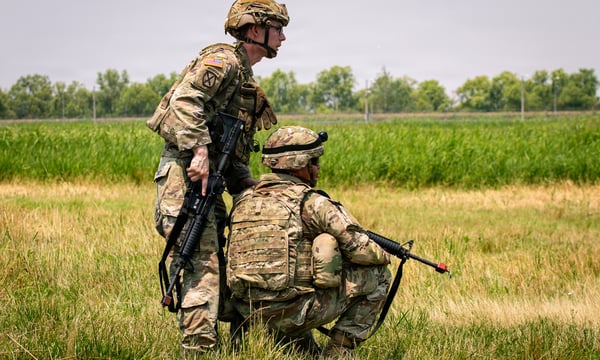
The United States maintains the world's largest military presence overseas with as many as 750 installations in 80 countries. Recently, Iranian attacks on U.S. bases in Bahrain, Iraq, Jordan, Kuwait, Qatar, Saudi Arabia, and the United Arab Emirates have resulted in the deaths of U.S. soldiers, impacted local residents, and raised questions about the necessity of U.S. bases.
Analysts speculate on the potential consequences of these attacks and the damages to the bases, including possible base closures. However, the impact of these attacks on the other 80 countries that host U.S. military installations is a critical concern, particularly for host countries in the Indo-Pacific region where tensions between the U.S. and China loom large.
The attacks have heightened concerns among local residents in proximity to U.S. bases, who fear becoming targets of external aggression. Peace and anti-base activists have long warned that U.S. bases could become targets for enemies of the host nation or the U.S. itself. In Okinawa, Japan, peace activists argue that the large U.S. base presence makes the prefecture a prime target for enemy attacks.
In South Korea, concerns exist that the Terminal High Altitude Area Defense system could make certain villages prime targets in the event of conflict with North Korea or China. The negative externalities of hosting U.S. bases, such as accidents, crimes, environmental degradation, and traffic issues, are also a concern. Despite these concerns, public opinion among U.S. host countries in the Indo-Pacific remains largely positive, with South Korea and Japan showing the highest levels of support.
Written by urgent.news from The Diplomat's reporting — not their text. Machine-written — may contain errors; check the original before relying on it.