North Korean hacking group builds AI tools for cyberattacks, report says
The group reportedly collected software that could help automate cyberattacks, analyze stolen material and produce better phishing campaigns.
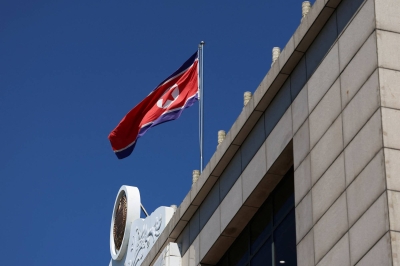
Seoul – A South Korean cybersecurity firm has uncovered evidence that a North Korean hacking group, Kimsuky, has developed artificial intelligence tools for cyberattacks, document analysis and phishing campaigns. The firm, Genians, discovered Kimsuky had set up local infrastructure to manage and run AI models such as Ollama, GPT4All and Msty, alongside retrieval augmented generation technology.
The tools, according to Genians, could enable operators to process sensitive documents without sending them to external AI services. The company also found AI agent development frameworks, speech-to-text software and an AI-assisted coding tool called Cursor on the infrastructure linked to Kimsuky's operations. These findings suggest that Kimsuky is moving from using AI to generate phishing lures to integrating existing AI models into malware development, data analysis and attack automation.
Additionally, Genians found finance and cryptocurrency-themed decoy documents that appeared to be AI-generated, designed to mimic legitimate investment reports and workplace documents. However, these findings cannot be independently verified, and North Korea has a history of using state-linked cyber units for espionage, financial theft and revenue generation.
In 2023, the U.S. Treasury sanctioned Kimsuky as a North Korean government-controlled cyber-espionage group due to its role in gathering intelligence in support of Pyongyang’s strategic objectives.
Written by urgent.news from Japan Times's reporting — not their text. Machine-written — may contain errors; check the original before relying on it.
This story
This is one outlet's version. Read the fullest account.
- North Korean hacking group builds AI tools for cyberattacks, report says economictimes.indiatimes.com
- North Korean Hackers Develop AI Tools To Automate Cyberattacks: Report ndtv.com
- Report says North Korean hacking group builds AI tools for cyberattacks freemalaysiatoday.com
- North Korean hacking group builds AI tools for cyberattacks: Report indianexpress.com