No, Tesla didn’t build this bizarre Cybertruck-inspired solar EV: this BMW-backed solar car project uses the sun’s rays to commute for free
BMW-backed solar EV can generate more energy than it uses
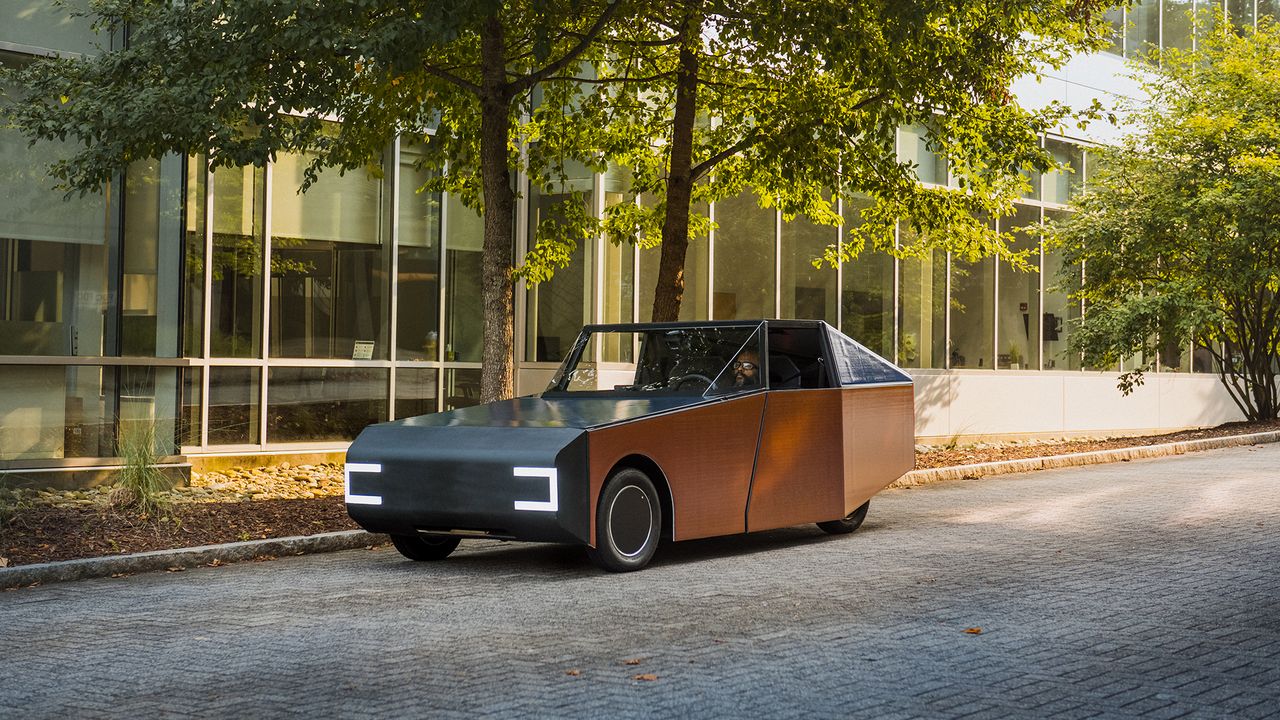
A Clemson University-led project has unveiled a novel solar-powered electric vehicle dubbed Deep Orange 17, which can generate more energy than it consumes during a typical 12-mile urban commute. The prototype, resembling a distorted Tesla Cybertruck, is constructed primarily from aluminum, carbon fiber, and 3D-printed metal joints, with a steel framework.
Over 1,700 photovoltaic cells adorn the vehicle, designed to maximize sunlight exposure regardless of movement or traffic. Developed in collaboration with Germany's Fraunhofer Institute for Solar Energy Systems, these panels maintain energy production even when partially shaded. BMW backs the project, claiming the vehicle can power itself for up to 31 miles on a sunny day, exceeding its average daily usage.
The sleek, orange-coated panels are protected by a durable film, and the vehicle incorporates regenerative braking and aerodynamic design inspired by the boxfish. In addition to solar power, the car features Apple CarPlay, Android Auto, and real-time telemetry displays. Project manager Anshul Karn highlighted the rare opportunity for master's students to witness the entire vehicle development process.
While not an immediate production candidate, similar solar-powered EV concepts are emerging from other manufacturers, like Nissan's Ariya and Hyundai's Sonata Hybrid, signaling a growing interest in solar technology for electric vehicles.
Written by urgent.news from TechRadar's reporting — not their text. Machine-written — may contain errors; check the original before relying on it.