New COCOBOD Bill: Protecting cocoa should not come at the cost of farmers’ rights
Across the country, cocoa farms have been destroyed, rivers polluted, forests degraded, and rural livelihoods threatened by the activities of illegal miners.
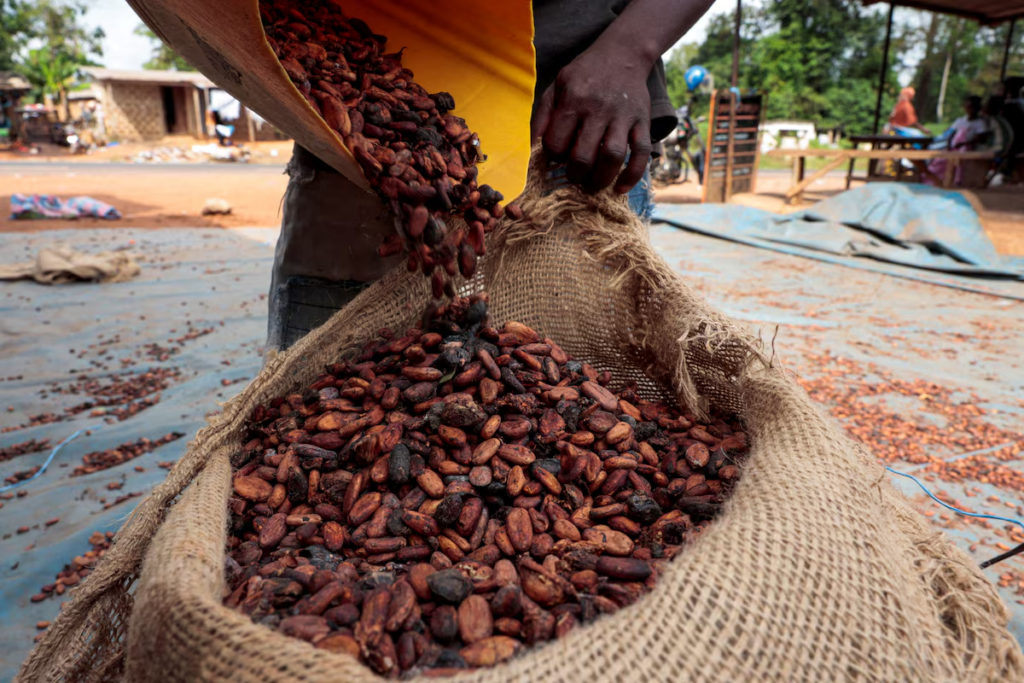
Ghana's government has recently introduced stronger legal measures through the new COCOBOD Act to safeguard cocoa lands from destruction due to illegal mining. Clauses 81 and 110 of the Act regulate the conversion of cocoa farms and impose criminal penalties for non-compliance. While the government maintains that these provisions aim to prevent cocoa farm destruction, the question arises whether the law goes too far in addressing the issue at hand.
The critical issue concerns the accessibility, proportionality, and fairness of the law's implementation. With over 90% of cocoa production from smallholder farmers, many of whom are elderly and lack formal education, the process of obtaining ministerial approval for land conversion could present substantial administrative hurdles.
Adding to this concern, Clause 110 could potentially lead to criminal liability for farmers who convert cocoa farms to other crops without proper authorization. This raises serious legal and constitutional concerns, as criminal law is typically reserved for conduct causing significant public harm. The measures might inadvertently penalize law-abiding farmers who opt for alternative agricultural products, while criminal enterprises may continue to operate outside the law without seeking ministerial approval.
Administrative delays, inconsistent decision-making, and increased transaction costs are also possible risks associated with a centralized approval system. Moreover, the legislation should address the underlying reasons for farmers seeking to convert cocoa farms, such as ageing plantations, declining productivity, climate change, and changing market realities.
Instead of criminalizing legitimate land-use decisions, the government should focus on strengthening enforcement against illegal mining, improving producer prices, supporting farm rehabilitation, expanding agricultural extension services, and promoting climate-smart cocoa production. A more efficient and responsive solution might involve decentralizing approval mechanisms to district or regional levels, ensuring that smallholder farmers can navigate the process with greater ease.
Written by urgent.news from MyJoyOnline Ghana's reporting — not their text. Machine-written — may contain errors; check the original before relying on it.