NEA: Haze risk in SG could increase in the coming week if dry conditions continue and regional fires persist
Dry weather and rising hotspot activity in Sumatra and Kalimantan could send more smoke towards Singapore next week This article ( NEA: Haze risk in SG could increase in the coming week if dry conditions continue and regional fires persist ) first appeared on The Independent Singapore News .
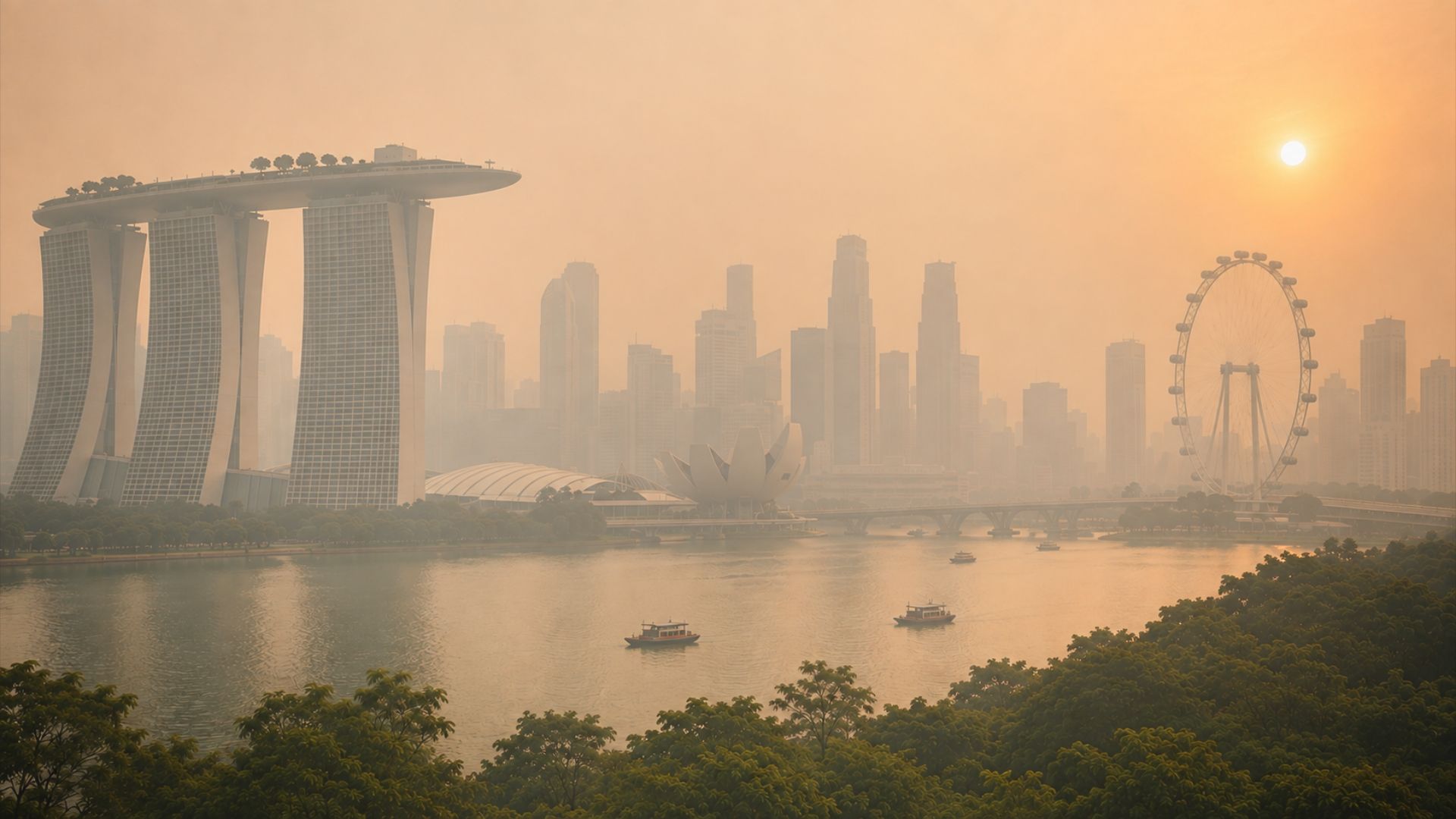
Singapore's air quality has reached a moderate level, with a 24-hour Pollutant Standards Index (PSI) reading of 81 in the Central region at 1 pm on Aug 9. The National Environment Agency (NEA) warns that the risk of haze increasing could arise if dry conditions persist and regional fires continue. The issue stems from dry weather that has created more hotspots across Sumatra and Kalimantan, with smoke from these sources potentially traveling to Singapore.
Southeasterly winds may carry the smoke towards the island. The 28-agency Government Haze Task Force, chaired by the NEA, is ready to activate response plans if the PSI exceeds 100, signaling an Unhealthy range and triggering daily haze advisories. The task force has already convened twice this year to review and modify its plans in light of the dry season's impact on peatland and vegetation fires in eastern Johor.
Residents are advised to monitor the one-hour PM2.5 concentration, as this reading can fluctuate during the day due to weather conditions, particularly during periods of transboundary haze. The NEA emphasizes that people, especially those more vulnerable to haze, such as the elderly, pregnant women, children, and those with chronic heart or lung conditions, should consult a medical professional if they experience symptoms or feel unwell.
Reducing outdoor activities and physical exertion can help lower exposure, and staying hydrated can also mitigate the effects of haze. The NEA's response system is designed to protect public health while maintaining daily life and essential services.
Written by urgent.news from The Independent Singapore's reporting — not their text. Machine-written — may contain errors; check the original before relying on it.