Nathaniel Mary Quinn’s Fragments of Home
His fractured portraits at the National Public Housing Museum reckon with memory, family, and a childhood shaped by Chicago’s Robert Taylor Homes.
In the heart of Chicago, a museum dedicated to public housing has finally opened its doors, marking the culmination of a two-decade journey as a mobile exhibit. The National Public Housing Museum (NPHM) aims to delve into the intricate history of public housing, weaving together themes of art, design, architecture, human rights, politics, social policy, the economy, systemic racism, immigration trends, policing practices, and more.
Situated within the sole remaining section of the Jane Addams Homes, constructed in 1938, the museum occupies a space previously marred by urban decay and racial segregation. The Chicago Housing Authority's Plan of Transformation, launched in 1999, intended to address these issues through large-scale demolition and the construction of mixed-income housing. However, this plan ultimately resulted in the largest net loss of affordable housing in the country's history.
The NPHM presents a diverse array of exhibits, ranging from personal objects donated by public housing residents to immersive films and large-scale public art installations. One such exhibit features a collection of items, such as a hand-stitched wedding dress and a heavyweight championship belt, donated by residents of public housing across the nation.
Another exhibit showcases the Millers River Apartments in Cambridge, Massachusetts, providing a detailed analysis of the complex tax credit system that enabled this successful public housing project.
Two specific family units are highlighted, representing different eras of public housing history. The first apartment is dedicated to the Turovitzes, Jewish immigrants among the first to live in the Jane Addams Homes. The second apartment depicts the Hatches, an African-American couple with eight children who moved in in 1960. A third apartment displays an immersive film that explores the policy perspective behind the changes that occurred between the 1950s and the present day, including redlining and racist covenants.
The museum's courtyard features a restored limestone animal sculpture, once part of the original outdoor play area for the Jane Addams Homes. Additionally, three impressive works of public art adorn the museum's exterior. One, "Still Here: Zhegagoynak," is a 40-foot-tall mural by artist Andrea Carlson, acknowledging the land under the NPHM as unceded by the Potawatomi people.
Another artwork, fashioned by Amanda Williams and Olalekan Jeyifous, is a vibrant glass entry portico featuring colors left behind when previous residents were forced to leave, despite Chicago Housing Authority rules mandating beige or light green paint.
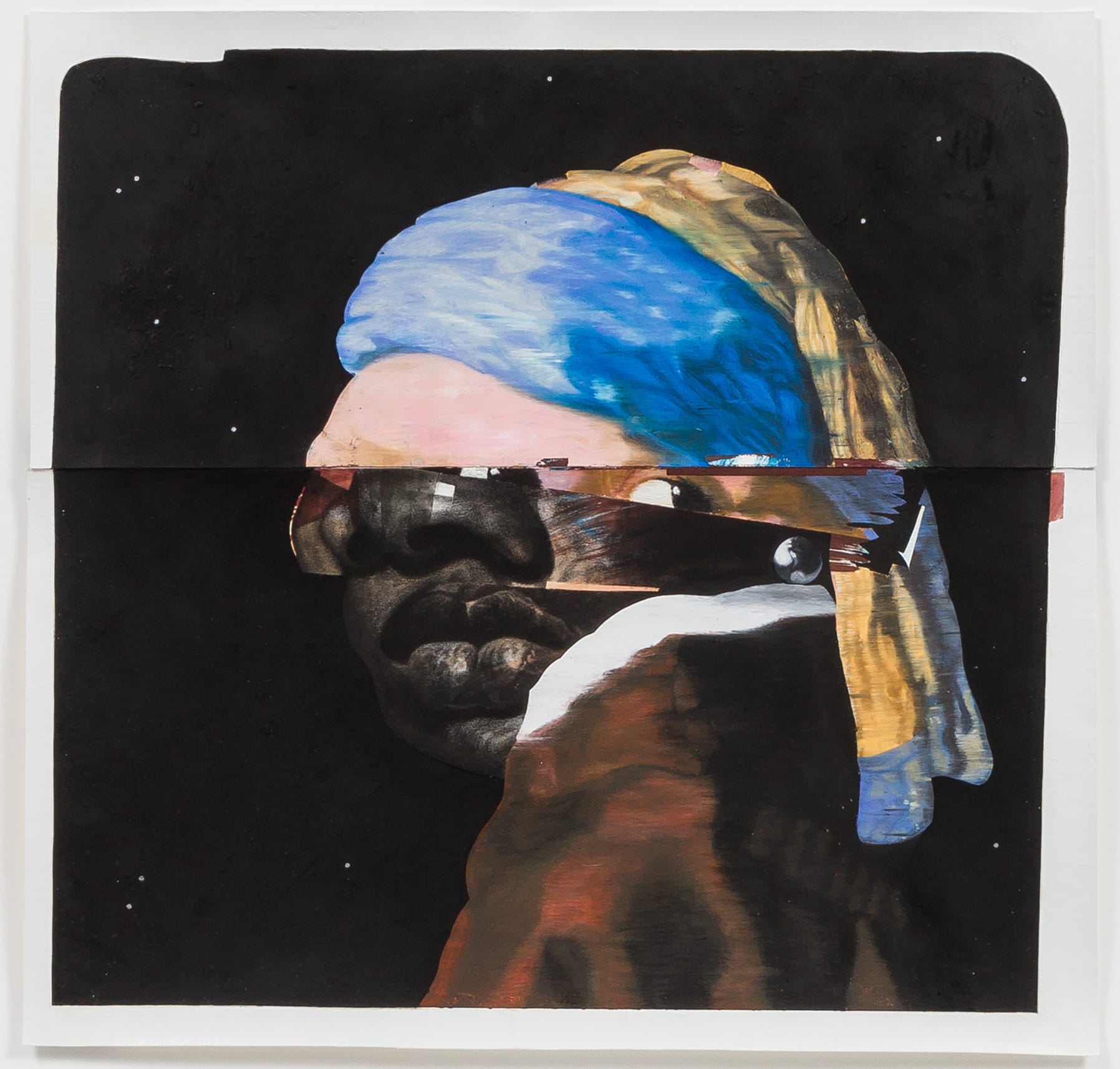
NPHM's success in blending advanced art and social history is attributed to its executive director, Lisa Yun Lee. Under her leadership, the museum recently opened its first temporary exhibition, "Nathaniel Mary Quinn: A Love Letter to My Mother," dedicated to the artist Nathaniel Mary Quinn. The exhibition features ten portraits on canvas and paper, each representing a person significant to Quinn's life, as well as a living room meant to evoke his family home in the 1980s.
Quinn's portraits are both lifelike and thought-provoking, conveying the complexity and beauty of his subjects while also challenging the viewer's perceptions.
Written by urgent.news from Hyperallergic's reporting — not their text. Machine-written — may contain errors; check the original before relying on it.