Missouri plant turns old wind turbine blades into cement feedstock
Repurposing decommissioned wind turbine blades is becoming a promising trend, moving away from traditional landfill disposal. These large fiberglass structures are now being shredded and incorporated into cement production. Furthermore, innovative designs have led to the transformation of some blades into pedestrian bridges. While these initiatives are commendable, they signal just the beginning.
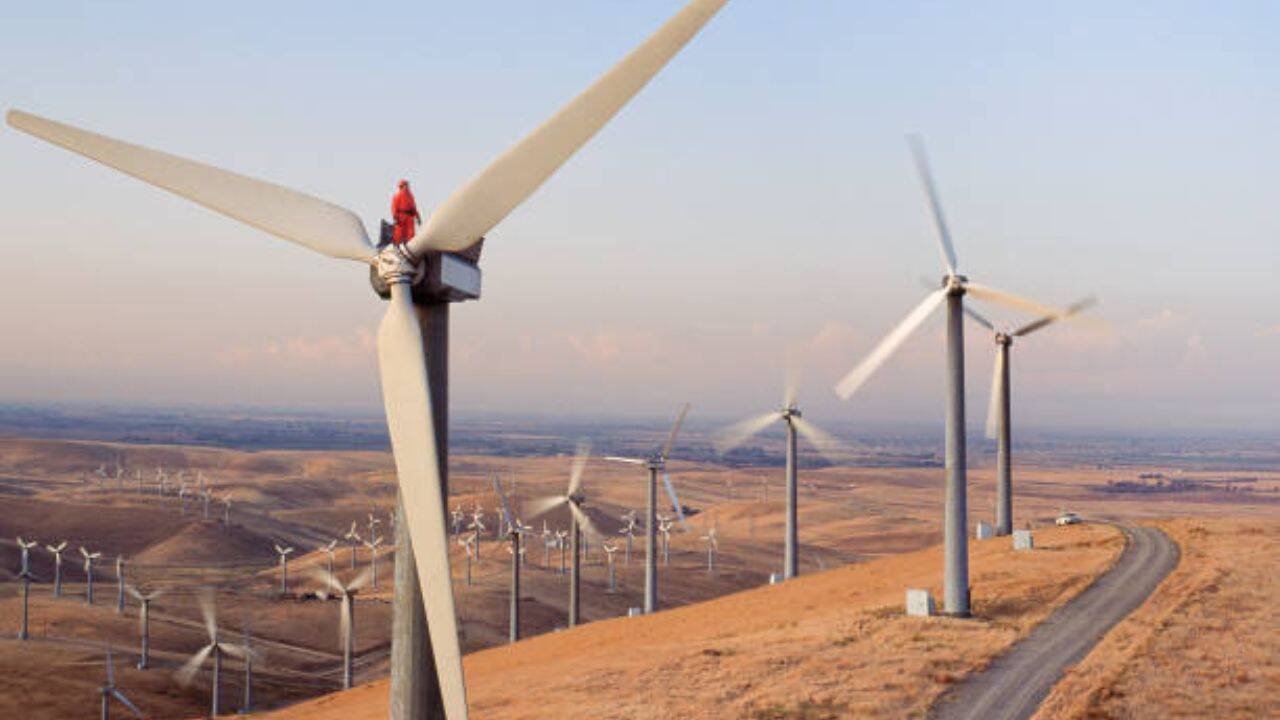
In a Missouri landfill, decommissioned wind turbine blades are being repurposed as cement feedstock instead of being buried underground. The Casper Regional Landfill began receiving blades in the spring of 2019 and has since collected 1,124 blades from three nearby wind farms. Each blade, measuring approximately 120 feet, was cut into three 40-foot sections before being stacked and nested together. A single blade occupies about 44 cubic yards, equivalent to three cement mixer trucks worth of space.
The blades cannot be recycled through conventional methods due to their fibreglass and epoxy composition, which are engineered to withstand decades of storm loading. To recycle them, the blades must be cut into smaller sections, usually with a diamond wire saw. About 90 miles north of St Louis, in Louisiana, the blades arrive daily from wind farms across the country and are shredded before being processed into cement.
The plant has processed nearly 2,000 blades since late summer 2020, receiving around 250 blades each month.
These blades have a chemical composition that makes them highly suitable for cement production. Over 70% of a blade is silica, a crucial component in cement. The remaining 30% burns in the kiln and replaces coal as a fuel source. In County Cork, Ireland, two de-commissioned blades were installed as a pedestrian bridge on a greenway. This marks the second blade bridge worldwide, with the first built in Poland.
While these innovations offer a promising solution for blade disposal, the scale of blade waste remains a concern. Researchers estimate that roughly 43 million tons of blade material will be discarded worldwide by the middle of the century. Currently, a few thousand blades are being processed through trenches, kilns, and bridges, which is a positive step but far from a comprehensive solution.
Newer blades are being designed to decompose chemically, which could change the future landscape of blade disposal. However, for now, trenches, kilns, and bridges remain the primary pathways for these renewable energy assets to find a new purpose.
Written by urgent.news from Times of India's reporting — not their text. Machine-written — may contain errors; check the original before relying on it.