Louisiana warns beachgoers amid surge in flesh-eating bacteria infections
State confirms nine cases, including five deaths, from Vibrio vulnificus organism, which thrives in seawater Health officials in Louisiana are urging beachgoers to take precautions during a summertime surge in infections from a flesh-eating bacterium found in coastal waters. Louisiana has confirmed nine cases of Vibrio vulnificus infections this year, the state’s health department said last week…
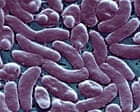
Louisiana health officials are warning beachgoers about a recent surge in infections from a flesh-eating bacterium called Vibrio vulnificus found in coastal waters. This year, nine cases have been confirmed, resulting in five deaths, which is significantly higher than the average of seven cases and one death over the past decade. Health officials advise seeking immediate medical attention if a wound becomes red, swollen, painful, warm, or discolored after exposure to brackish or saltwater.
The bacterium thrives in seawater and brackish mixtures found in estuaries and lagoons, with most infections reported between May and October, particularly in Gulf coast states. Vibrio vulnificus, the mostly deadly type of Vibrio bacteria, has a 20% fatality rate, much higher than other Vibrio strains. Symptoms can develop within hours of exposure and lead to severe complications like septic shock if left untreated.
Louisiana recorded five deaths from the bacterium last year, all among hospitalized patients. One case involved a 77-year-old man named Basil Kennedy who contracted the infection after scraping his leg on a boat trailer and swimming in the water, ultimately dying three days later. Florida has reported 14 cases and two deaths this year, compared to 33 cases and five deaths for all of last year.
Ingestion of raw or undercooked shellfish, especially oysters, can also lead to infection, but the majority of cases occur when people come into contact with ocean or brackish water through breaks in the skin.
Certain groups, including the elderly, those with weakened immune systems, and individuals with liver disease, diabetes, or chronic illnesses, are more susceptible to severe cases. Climate change is contributing to the proliferation and northward spread of the bacteria, with ocean warming increasing their concentration in seawater.
A 2023 study found that the northernmost case has been moving about 30 miles annually, with overall cases rising over time, potentially bringing infections within reach of population centers in New York. To prevent infection, the CDC recommends washing cuts and scrapes thoroughly with soap and water after contact with coastal waters or raw seafood.
Written by urgent.news from Guardian Science's reporting — not their text. Machine-written — may contain errors; check the original before relying on it.
This story
This is one outlet's version. Read the fullest account.