Lake Mead water crisis: Why the US reservoir is falling to historic lows
Lake Mead’s water level reached 1,040.4 feet (317.1 metres) above sea level on Friday (August 7), just below the previous record low set on July 28, 2022.
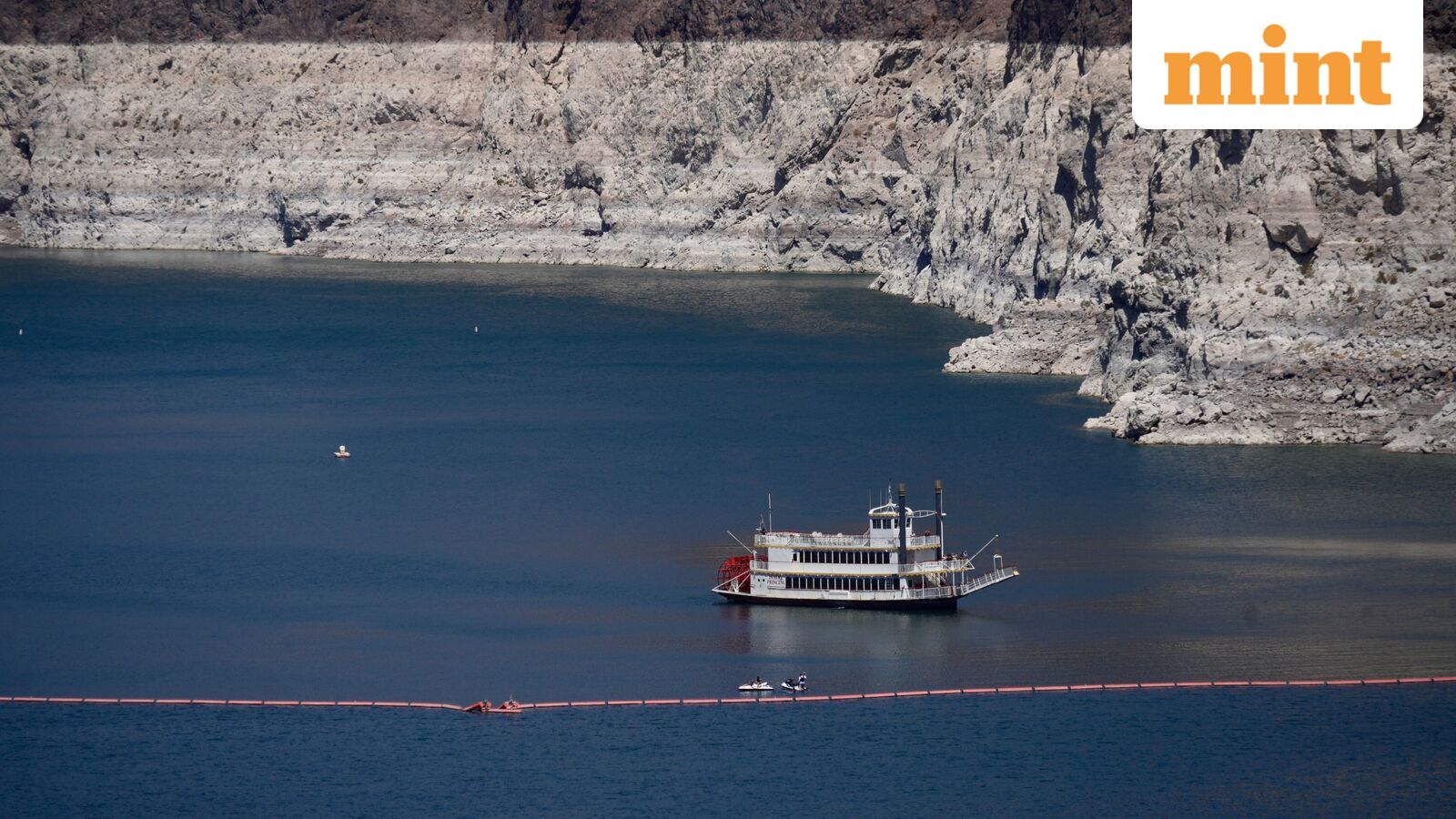
Lake Mead, the largest U.S. reservoir, has reached its lowest water level in nearly nine decades, signaling a severe water crisis facing the Colorado River. This critical water source, shared by millions across the western U.S., fell to 1,040.4 feet above sea level on August 7, just below the July 2022 record low. JB Hamby, chairman of the Colorado River Board of California, described the situation as "extremely significant and concerning," affecting about 30 million people.
The decline is attributed to prolonged drought, historical dry conditions, and low snowpack in the Rocky Mountains, where the river originates. Snowmelt typically replenishes the river, but this past winter saw the basin's worst snowpack on record, leading to reduced water flow. Compounding these issues, years of heavy water use, drought, and rising temperatures have steadily depleted water stored in Lake Mead and Lake Powell.
Lake Powell, the second-largest U.S. reservoir, has also plummeted to its lowest levels in seven decades, affecting recreation due to reduced water levels making boat access difficult. Federal officials, balancing various needs, have chosen not to release cool water from Lake Powell due to concerns for a native fish species. Meanwhile, states relying heavily on the Colorado River, including California, Colorado, Arizona, Nevada, New Mexico, Wyoming, and Utah, have failed to reach a long-term agreement on water allocation.
The federal government has proposed a short-term plan to prevent further deterioration, requiring Lower Basin states to reduce water use. Lake Mead's declining water level has already led to dire consequences, such as exposing human remains during a severe drought in 2022 and forcing Las Vegas to pump water from deeper within the reservoir to maintain supply.
The problem extends beyond Lake Mead and Lake Powell, as nine Western reservoirs recently recorded their lowest levels in three decades, indicating a broader strain on water supplies across the region.
Written by urgent.news from Live Mint's reporting — not their text. Machine-written — may contain errors; check the original before relying on it.