Kharif sowing near normal as rainfall deficit shrinks
By August 7, farmers have successfully planted Kharif crops at 87.7% of the expected seasonal average. While rainfall deficiencies have mitigated, the focus is now firmly on crop yields. The acreage for critical crops like rice and pulses trails behind last year’s figures. On a positive note, reservoir water levels have improved significantly following recent rainfall. Nevertheless, the IMD warns…
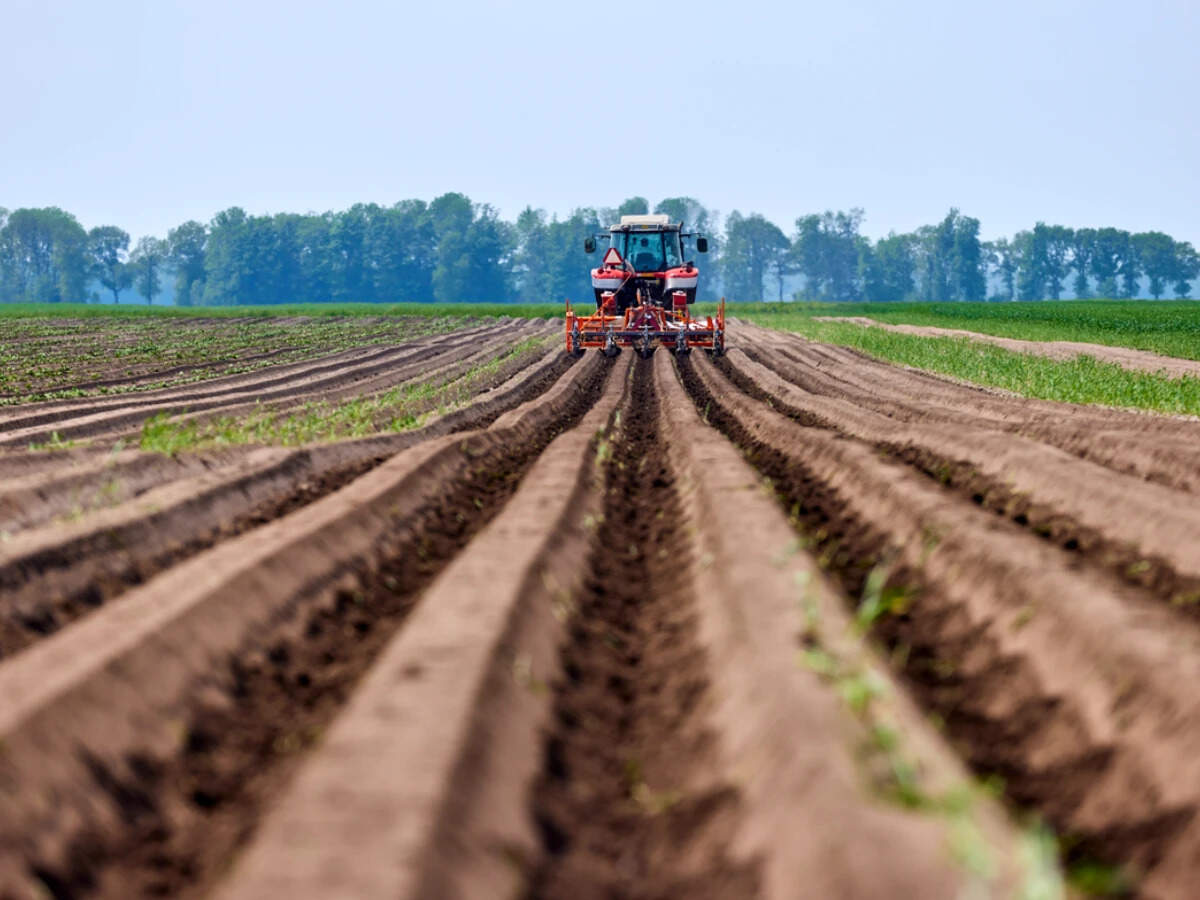
As of August 7, farmers had sown 87.7% of the usual area for major kharif crops, a 1.8% decrease compared to the previous year, according to data released by the Indian agriculture ministry. The focus was shifting from the quantity of crops planted to their quality and yield.
Barclays, in its latest analysis of the monsoon and kharif sowing, emphasized that yields would be the primary concern in 2026. The year 2025 had seen an above-normal rainfall, leading to an accelerated sowing season and a strong foundation for the upcoming agricultural season. However, the area under key kharif crops like rice, moong, tur, and maize was still lower compared to the previous year, indicating that the quality of the sowing would be crucial for the final output.
Rice cultivation experienced a 4.4% decline year-on-year, while the area under pulses reduced by 1.8%. Coarse cereals like bajra also fell by 2.7%, while the acreage under cotton and sugarcane saw a marginal decrease. Nationwide, rainfall was 12% below the long-period average, with the intensity of rainfall decreasing in central and southern regions. Despite this, heavy rains and flood-like conditions were reported in Himachal Pradesh, Kerala, and the Northeast.
As of August, rainfall had fallen by 9% below the long-period average, according to the India Meteorological Department (IMD). However, the distribution of rainfall was highly uneven, with approximately 45% of districts still experiencing deficient or large-deficient rainfall. This disparity kept concerns about crop conditions alive, even as the overall acreage gap had narrowed significantly.
The IMD forecasts that rainfall will be above normal from August 13 to 19, with heavy rainfall expected over Himachal Pradesh, Uttarakhand, and southern coastal areas such as Kerala. For the second half of the monsoon season, covering August and September, the IMD predicts below-normal rainfall, less than 94% of the long-period average. This forecast could be particularly important for crops that require adequate rainfall for optimal growth during vegetative stages and grain formation.
The situation regarding water availability has also improved, with major reservoirs now holding 53% of their live capacity by August 6, up from 44% a week earlier. This increase is only slightly below the level at the same time last year, during an El Niño year, indicating a positive trend in water resources.
Written by urgent.news from The Economic Times - Economy's reporting — not their text. Machine-written — may contain errors; check the original before relying on it.