Ketamine Trafficking Expands Across Latin America
Ketamine Trafficking Expands Across Latin America More and more countries across Latin America and the Caribbean are reporting cases of ketamine trafficking, reflecting a shift in the region’s drug markets driven by the rise of synthetic drug cocktails and more dispersed supply chains. The post Ketamine Trafficking Expands Across Latin America appeared first on InSight Crime .
Ketamine trafficking is expanding rapidly across Latin America. A recent conviction in Chile highlights the growing issue. On August 3, 17 individuals were found guilty of trafficking ketamine from Peru to Chile. The drug was transported across the Tacna-Arica border through drug couriers who entered on foot and were then flown domestically to supply markets in Santiago.
Earlier in July, another group of 18 smugglers was convicted of trafficking ketamine between Chile and Peru. The group included nationals from Peru, Chile, Venezuela, and Ecuador. Some of these individuals may have had connections to the Ecuadorian criminal group known as the Lobos, though authorities have not disclosed further details.
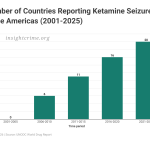
Ketamine is increasingly found in illicit markets in Latin America and the Caribbean due to its use in synthetic drug mixtures, according to the UN Office on Drugs and Crime's latest World Drug Report. Despite accounting for only 5% of global ketamine seizures, the number of countries detecting the illicit trade has risen from zero between 2006 and 2010 to 20 between 2021 and 2025.
Traditionally, ketamine played a minor role in Latin America's illicit drug markets, primarily among small consumer groups with connections to medical supplies. However, demand has surged as criminal networks capitalize on the drug's ease of acquisition. Ketamine is often diverted from legal supply chains through methods such as theft from veterinary facilities, fraudulent purchases, forged prescriptions, diversion along distribution chains, or illegal imports from neighboring countries.
The substance is particularly accessible to criminal networks due to its status as a widely marketed medication. Chile, with its high purchasing power, has become a significant consumer market for ketamine, driven by its popularity among urban audiences at electronic music events. Low regulatory barriers between countries, such as Peru's less restrictive ketamine sales laws, facilitate trafficking primarily between neighboring nations like Peru, Chile, and Ecuador.
Written by urgent.news from InSight Crime's reporting — not their text. Machine-written — may contain errors; check the original before relying on it.