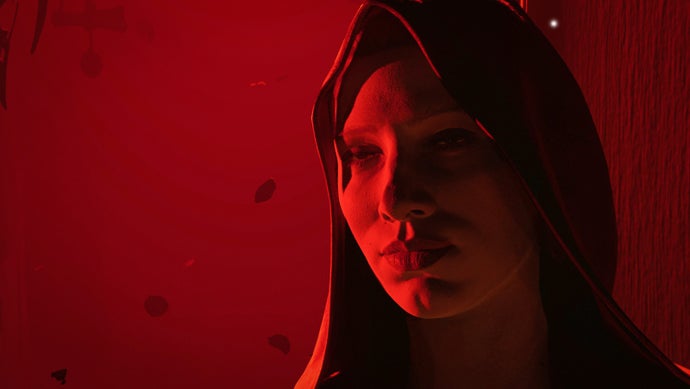
I've seen much more of 1666: Amsterdam, and the witchy game by the creator of Assassin's Creed has some surprising features
1666: Amsterdam returned to the public eye this year after a protracted 15 year conception that involved legal battles, rewritten concepts, secret publishers, and finally: an actual game. Suffice to say, this is the game Patrice Désilets has wanted to make for a very long time - Désilets being the original creator of Assassin's Creed and more recently the mind behind primate…
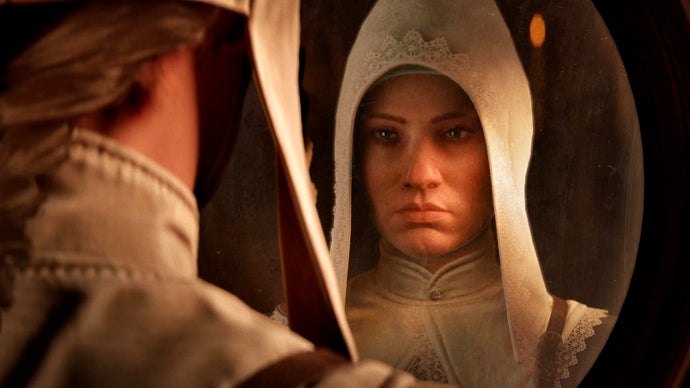
In 1666: Amsterdam, the game developed by Patrice Désilets' Panache Digital studio, players find themselves in the city of Amsterdam during the year 1666, as well as in 1999 and the present day. The game is set between these three time periods and moves between them.
During a recent trip to Amsterdam, author and reporter had the opportunity to play more of the game and speak with Désilets about it. Désilets, the creator of Assassin's Creed and the mind behind Ancestors: The Humankind Odyssey, has been wanting to make this game for a long time. The game's setting, Amsterdam, is a powerful and distinct place that makes sense for the game.
The game begins with a short playable prologue which leaves many questions unanswered, such as the combat, exploration, and the overlapping timelines. However, after the prologue, the game's combat begins as Noa, the protagonist, fights using a wooden broomstick and spells with limited options. The encounters are wave-based and cinematically locked until cleared, which can be awkward and feel janky at times.
As the game progresses, players can explore Amsterdam at a fast pace, flying on their broom like a character from Star Wars and twirling obstacles out of the way. However, this freedom is limited as there are specific areas where flying is allowed and the experience is more about hovering above a surface on a prescribed track.
The game also features a cat familiar that serves as a link to different time periods. Noa can use the cat to break and enter places, and the cat can also offer hints when needed. The cat's movement is also pleasing and makes good use of Amsterdam's iconic teetering vertical spaces.
The game reaches its climax with boss fights with the Originals, who are major scripted characters within the story. These fights are intense and sharp, painting the game as more of an action experience than initially thought.
Written by urgent.news from Eurogamer's reporting — not their text. Machine-written — may contain errors; check the original before relying on it.