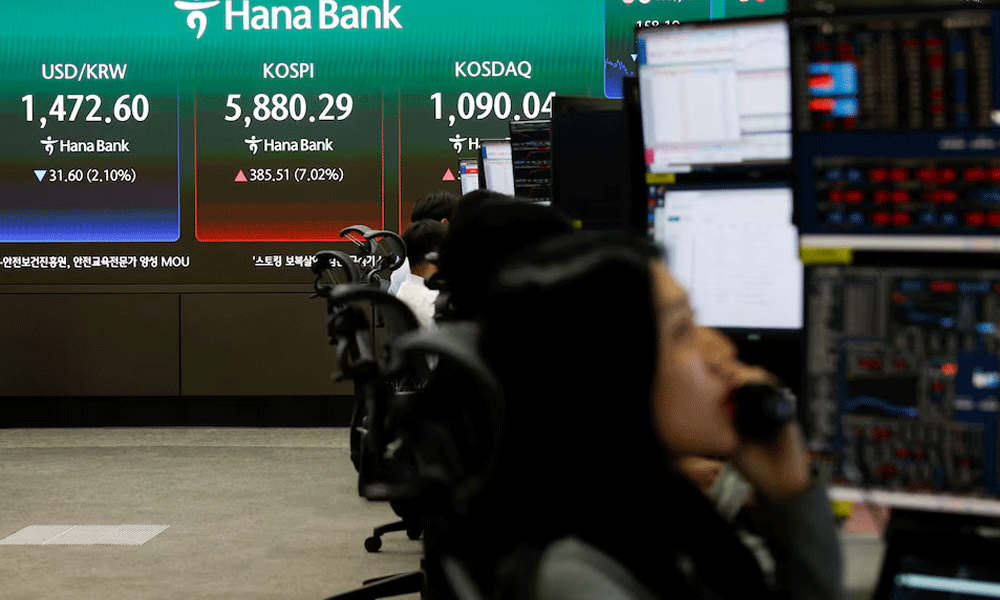
Iron ore rangebound on Australian strike, downbeat China data
Iron ore prices were little changed on Monday, as investors weighed the impact on supply after a strike at a major export hub of the key steelmaking ingredient in Australia against downbeat inflation data in top consumer China. The most-traded iron ore contract on China’s Dalian Commodity Exchange (DCE) was flat at 716 yuan ($106.13) a metric ton, as of 0323 GMT. The benchmark September iron ore…
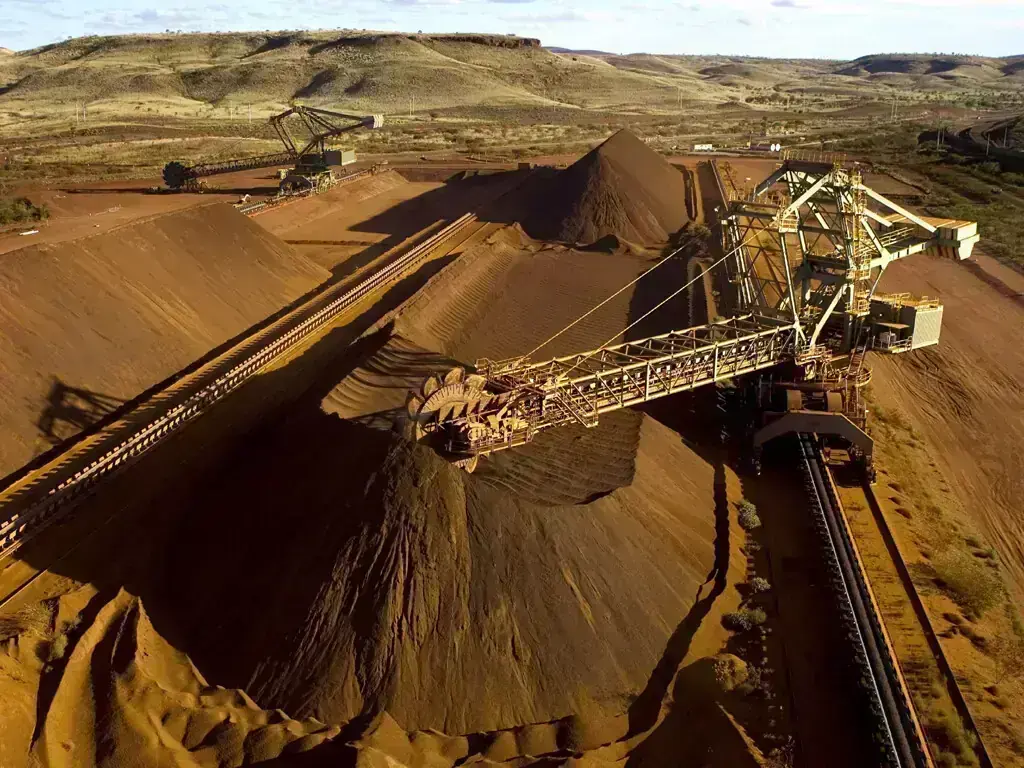
Iron ore prices remained largely unchanged on Monday, as traders considered the implications of a strike at a major export hub in Australia alongside weak economic indicators from China's leading consumer market. The most actively traded iron ore contract on China's Dalian Commodity Exchange (DCE) remained flat at 716 yuan ($106.13) per metric ton, as of 0323 GMT. In Singapore, the benchmark September iron ore on the Singapore Exchange ticked up 0.21% to $95.25 a ton, as of 0315 GMT.
A surge in workers joined a strike at BHP's Port Hedland operations in Western Australia on Sunday, marking the first significant industrial action at the iron ore export hub in over two and a half decades. The hub, which handles 75% of iron-ore exports from the Pilbara region in Western Australia for the year ending June, saw workers demanding better conditions.
The outcome of the dispute and whether both sides could reach an amicable resolution or if tensions would escalate further, remained a key factor influencing supply.
However, price gains were tempered by encouraging economic data from China. The nation's producer price inflation eased more than anticipated in July compared to a three-month low, while consumer inflation also showed a slowdown. This trend was driven by a retreat in global energy prices, despite the ongoing US-Israel conflict with Iran.
Consequently, coking coal and coke, other essential components in steelmaking, rose by 2.23% and 0.67%, respectively. Steel benchmarks on the Shanghai Futures Exchange, meanwhile, were mostly weaker. Rebar fell by 0.23%, hot-rolled coil declined by 0.03%, wire rod decreased by 0.46%, while stainless steel prices increased by 0.69%.
Written by urgent.news from Business Recorder's reporting — not their text. Machine-written — may contain errors; check the original before relying on it.