Iran War: Is Iran’s middle class being pushed into poverty?
The war has intensified Iran’s economic crisis, squeezing household budgets, hurting businesses and raising fears that millions of middle-income families are slipping closer to poverty.
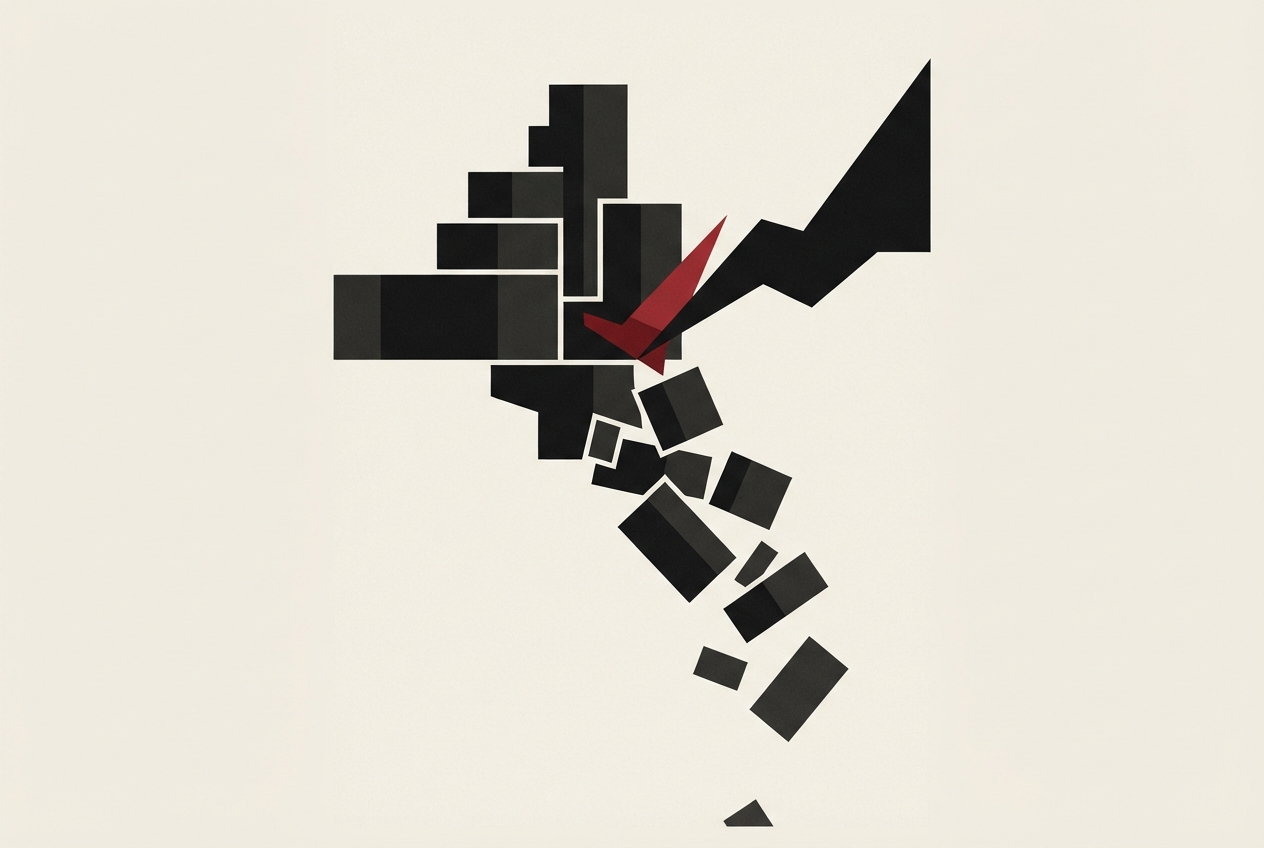
Mina, a housewife in Iran, describes the crushing impact of the ongoing war on her family's financial stability. Since the conflict began, she says, they have been "poorer every day" and no longer consider saving money. The International Monetary Fund predicts a 5.4% contraction in Iran's economy this year, with inflation expected to reach nearly 70%. The World Bank warns that conflict, trade disruptions, and uncertainty are severely damaging the nation's economy.
Economist Ahmad Alavi, based in Sweden, clarifies that Iran's economic crisis was not caused by the war but rather exacerbated it. Iran entered the conflict already facing high inflation, a weakened currency, and chronic budget deficits. The war acted as an external shock, further damaging infrastructure, disrupting trade, and increasing inflation expectations.
Alavi cites official figures showing annual inflation surpassing 66%, with year-over-year inflation nearing 88%. Food prices have surged dramatically, with bread and cereals up by 140%, meat and poultry by 135%, dairy products by over 116%, and edible oils by more than 200%.
For many families, these figures have led to reduced meat consumption, delayed medical treatment, and abandonment of savings plans. Middle-class households, once financially secure, are now facing pressure as incomes fail to keep pace with inflation. Economist Alavi estimates that between 3.5 and 4.5 million more Iranians have fallen into poverty since the conflict intensified, bringing the total number of impoverished individuals to over 40 million.
The private sector is also feeling the strain. Iranian trader Mortaza notes that changing regional trade routes following difficulties in shipping through the Strait of Hormuz have had limited benefits for Iranian merchants. The collapsing rial and soaring inflation have made it difficult for the market to grow, as exchange rates fluctuate daily. Merchants are forced to replace goods at much higher costs due to increased prices, a situation worsened by customers' reduced purchasing power.
Despite higher global oil prices, Alavi doubts Iran will significantly benefit from the situation due to sanctions, export restrictions, and higher transportation costs. He believes government measures, such as subsidies, price controls, and foreign exchange market interventions, may provide temporary relief but are unlikely to address underlying issues.
Alavi argues that uncertainty remains the biggest barrier to economic recovery, causing businesses to delay investments and households to become increasingly cautious about spending.
Alavi emphasizes that without restoring confidence, reducing sanctions, and tackling structural problems, current policies will remain short-term responses. He predicts that unless inflation eases, the exchange rate stabilizes, and trade conditions improve, many households will continue to suffer financial pressure, even if military tensions subside. Mina expresses her growing despair, stating, "We don't talk about the future anymore. We only hope we can afford next month's rent."
Written by urgent.news from DW News's reporting — not their text. Machine-written — may contain errors; check the original before relying on it.