Iran downplays concerns over Makkah pact
Says accord reflects regional reassessment of US, Dar briefs Araghchi on agreement objectives
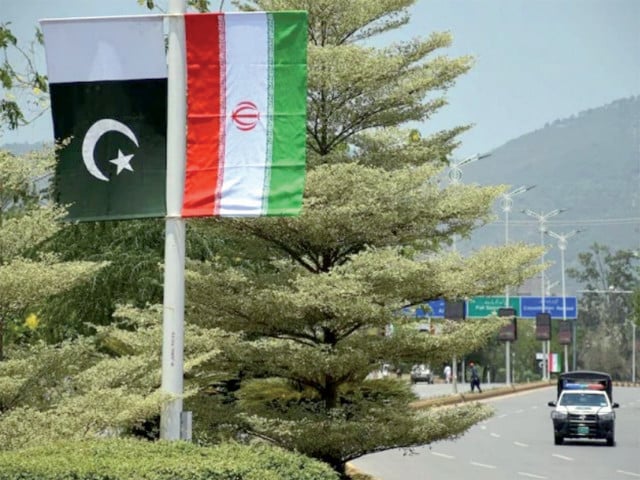
Iran's Foreign Ministry spokesman, Esmaeil Baghaei, asserted on Monday that the new security pact between Pakistan, Turkiye, and Saudi Arabia, known as the Makkah Joint Defence Agreement, poses no threat to Iran. Speaking at a news conference, Baghaei downplayed concerns that the agreement was directed against Tehran, instead framing it as evidence of a broader reassessment by regional countries regarding their security relationships with the United States.
He emphasized that Iran seeks to understand the new arrangement within the context of the evolving regional security order, rather than immediately perceiving it as a hostile military alignment.
Baghaei explained that the pact reflects a shift in regional countries' approach to security, with an increased reliance on their own capabilities instead of outside powers. He argued that any plan grounded in the geopolitical and historical realities of the region, which accurately identifies the enemy and threat, has the potential to enhance security and prevent instability and abuses by Israel and its allies.
Meanwhile, Pakistani Foreign Minister Ishaq Dar spoke with his Iranian counterpart, Abbas Araghchi, via telephone to address regional and international developments. The conversation focused on the Makkah Agreement's objectives, which include strengthening strategic cooperation and promoting regional peace and security. Araghchi thanked Dar for sharing key aspects of the agreement and agreed to maintain close contact on matters of mutual interest.
Iranian Prime Minister Shehbaz Sharif also addressed the Makkah pact, describing it as a defensive arrangement aimed at ensuring peace, stability, and progress in the region. He emphasized that the agreement was the result of years of discussions and was not intended to threaten any country. Shehbaz highlighted that the pact represents a culmination of efforts spanning several years and expressed gratitude for the successful completion of the agreement.
While the signing of the Makkah Agreement has drawn attention in Tehran, Iran's initial reaction has been relatively restrained. Pakistan's close historical ties with Saudi Arabia and Turkiye, coupled with its ongoing relationship with Iran, have posed challenges in striking a balance. The agreement, which categorizes an armed attack against any one of the three signatories as an attack against all three, has been presented as a framework for closer strategic and defense cooperation, though it has not been made exclusive to the three nations.
Despite the agreement, Pakistan remains open to maintaining diplomatic relations with Iran, though Iran's immediate concerns remain focused on broader regional issues, such as the Strait of Hormuz and potential future understandings with the United States. Baghaei noted that Iran is currently engaged in discussions with Oman regarding arrangements for the waterway, but dismissed any ongoing negotiations with Washington, describing such communications as routine and related to day-to-day matters.
He also warned that Iran could not guarantee the Strait of Hormuz would become a secure waterway while violations of the maritime blockade and other provisions persist.
Written by urgent.news from The Express Tribune - Pakistan's reporting — not their text. Machine-written — may contain errors; check the original before relying on it.