Industrie: Unternehmer Stihl mahnt: „Können uns eine 35-Stunden-Woche nicht mehr leisten“
Mercedes-Chefaufseher Martin Brudermüller hatte im Handelsblatt eine längere Arbeitszeit ohne Lohnausgleich angeregt. Nikolas Stihl unterstützt diesen Vorstoß nun mit deutlichen Worten.
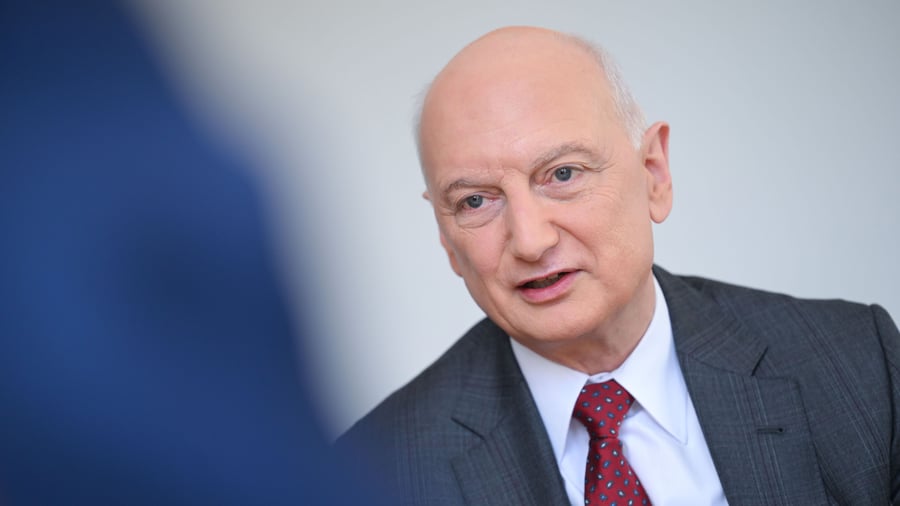
Waiblingen - The entrepreneur Nikolas Stihl is urging rapid talks between the negotiating parties regarding the extension of working hours without wage compensation in Germany's metal and electrical industries. Speaking to Deutsche Presse-Agentur, Stihl, the Supervisory Board Chairman of the forestry and garden equipment manufacturer Stihl, stated, "In the good times, Germany could afford a 35-hour week.
Now, we cannot. And the social partners should be aware of their responsibility and discuss the issue." He specifically targets the IG Metall, as they ultimately have to make concessions. Stihl continued, "With the current loss of 500,000 industrial jobs, they need to stop the bleeding." He also mentioned that extending the working hours without a wage increase would quickly reduce labor costs.
This debate resurfaced amidst the economic crisis. At Mercedes, Managing Director Martin Brudermüller suggested reverting to a 40-hour week for the same salary during a conversation with Handelsblatt. The interview can be read here. In Germany's auto industry, the 35-hour week is standard for unionized companies, including Mercedes-Benz.
Legally, it is not mandatory. The IG Metall had called for protests nationwide against Mercedes-Benz's move. The labor negotiations in the metal and electrical industries are set to begin in the fall. Stihl noted, "The 35-hour week was once agreed upon with great difficulty. If we want to go back to it, the pain of loss will be very large."
He believes a simple wage negotiation is unlikely. Stihl advocates for pragmatic solutions to the issue. "The closer the IG Metall representatives get to the working population, the more they will understand the situation." He expressed concerns about the central office in Frankfurt. "There, positions seem to be firmly entrenched and strongly influenced by ideological beliefs."
Written by urgent.news from Handelsblatt's reporting — not their text. Machine-written — may contain errors; check the original before relying on it.
Also reported by 1 other outlet
- Kommentar: Die 35-Stunden-Woche ist kein Modell für eine Krise handelsblatt.com