Indian rupee weakness cushioned by central bank intervention, shorts grow wary
MUMBAI: The Indian rupee ended little changed on Monday, wedged between firmer oil prices and likely intervention by the central bank, which traders reckon has started to deter fresh short positions on the South Asian currency. The Indian rupee closed at 95.30 per dollar, marginally weaker than its close at 95.2075 in the previous session. State-run banks were spotted offering dollars through…
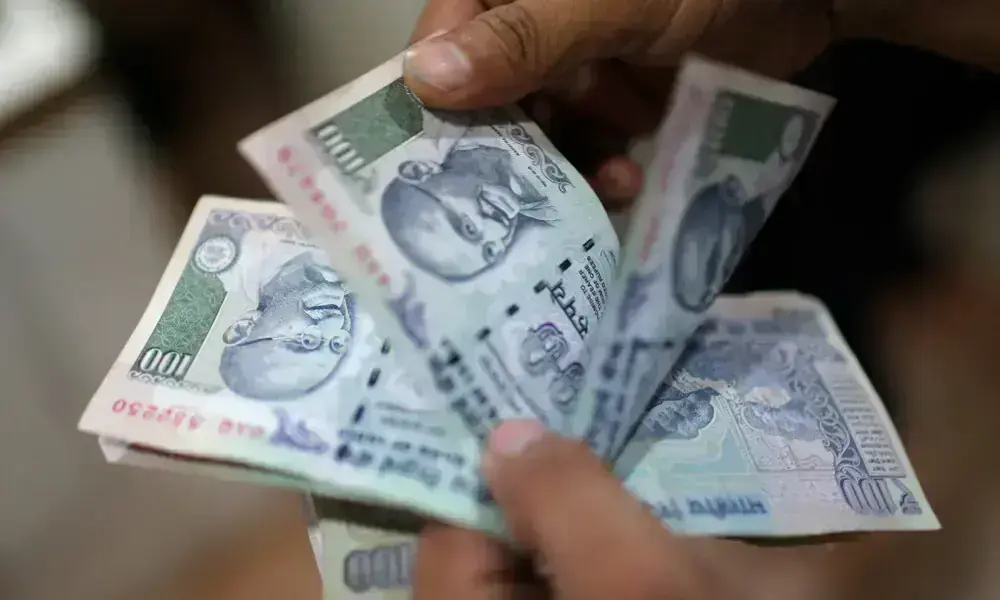
Mumbai saw the Indian rupee end the trading session largely unchanged on Monday, held captive by a combination of rising oil prices and potential intervention from the central bank, which traders believe has begun to prevent further short selling of the South Asian currency. The rupee closed at 95.30 per dollar, slightly lower than its previous session's closing of 95.2075.
State-run banks were observed facilitating dollar transactions throughout the day, likely on behalf of the Reserve Bank of India. This dollar-buying activity aided the rupee's resilience despite the uptick in oil prices, as discussions to reopen the Strait of Hormuz were complicated by Iran's insistence on several preconditions being met by the United States before the critical energy passageway could be reestablished.
The Reserve Bank of India's staunch defense of the currency over recent trading sessions has instilled a sense of caution among traders, who are hesitant to bet against the rupee. A trader at a private bank noted that the 96 level appears to be a formidable barrier against rupee depreciation, suggesting that the currency may continue to strengthen in the short term.
ING analysts in a recent note expressed a "constructive outlook" on the Indian rupee, projecting an upward trajectory to approximately 94.50 in three months and 94 in six months, driven by policy initiatives aimed at attracting dollar inflows. Analysts remain optimistic about the rupee's prospects, looking forward to policy measures aimed at drawing dollar inflows.
Regional currencies experienced mixed fortunes on Monday, with the Indonesian rupiah climbing 0.7%, while the Korean won slipped 0.7%. Market sentiment this week remains largely positive, with attention focused on upcoming inflation data from both India and the United States, which will provide insights into the future trajectory of key borrowing costs.
A survey of 40 economists conducted by Reuters suggests that India's inflation rate, as measured by the annual change in the consumer price index (CPI), is expected to increase to 4.50% in July from 4.38% in June.
Written by urgent.news from Business Recorder's reporting — not their text. Machine-written — may contain errors; check the original before relying on it.
This story
This is one outlet's version. Read the fullest account.