India considers curbing use of cane for ethanol to tame record-high sugar market
MUMBAI/NEW DELHI: India is considering restricting the amount of sugarcane used for ethanol in the season beginning October to boost sugar output and try to calm record prices, two government and two industry sources said. Reduced rainfall in Maharashtra and Karnataka, India’s biggest sugarcane-producing states, has raised concerns about next year’s sugar output, the sources said, declining to be…
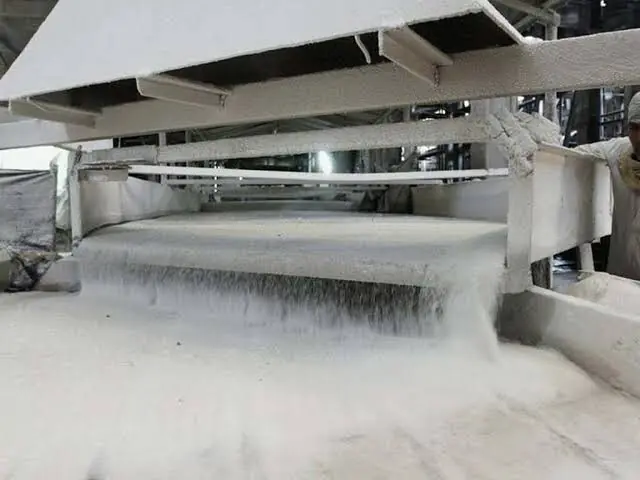
Mumbai and New Delhi - India is contemplating limiting the quantity of sugarcane used for ethanol in the upcoming season starting October, according to two government and two industry sources. This measure is intended to increase sugar production and help alleviate record-high sugar prices, as weak rainfall in Maharashtra and Karnataka, the country's largest sugarcane-producing states, has raised doubts about next year's sugar output.
By prioritizing sugar supplies over ethanol, India aims to avoid importing sugar as domestic production dwindles, with the final decision expected by the end of next month. Currently, about 3 million metric tons of sugar, which accounts for around 10% of total output, has been diverted to ethanol production since the beginning of the year.
If this trend continues, it could add a similar volume of sugar to domestic supplies, counteracting the anticipated decline due to inadequate rainfall in the main cane-growing regions. Indian sugar prices have surged by approximately 10% over the past month, reaching a record high and are projected to stay elevated for at least the next three months due to decreasing supplies and heightened demand during the upcoming festival season, when people travel more.
To maintain its plan of blending 20% ethanol into petrol, the government will need to increase the utilization of corn and rice for ethanol production to compensate for the reduced amount from sugarcane. Sugarcane juice and B-heavy molasses, a byproduct with a relatively high sugar content, will be prohibited for ethanol production, while mills will be permitted to generate ethanol primarily from C-heavy molasses, a byproduct left after most of the sugar has been extracted.
The ethanol allocation for the sugar industry for the marketing year commencing November is anticipated to be determined prior to the season's onset, after which state fuel retailers will issue tenders for ethanol purchases. India has already imposed a ban on sugar exports and last month introduced restrictions on the stocks that dealers can hold.
The proposed curbs, though, are unlikely to significantly impact the sugar industry, as mills are expected to generate higher revenues from producing and selling sugar rather than diverting sugarcane for ethanol, according to industry officials.
Written by urgent.news from Business Recorder's reporting — not their text. Machine-written — may contain errors; check the original before relying on it.
This story
This is one outlet's version. Read the fullest account.
- '$200 bn market in 15 countries': Here's what India can do if US slaps 100% tariffs timesofindia.indiatimes.com