In Amazon rivers, fish breathe and ingest plastics
For Amazon fish, oxygen now comes with microplastics.
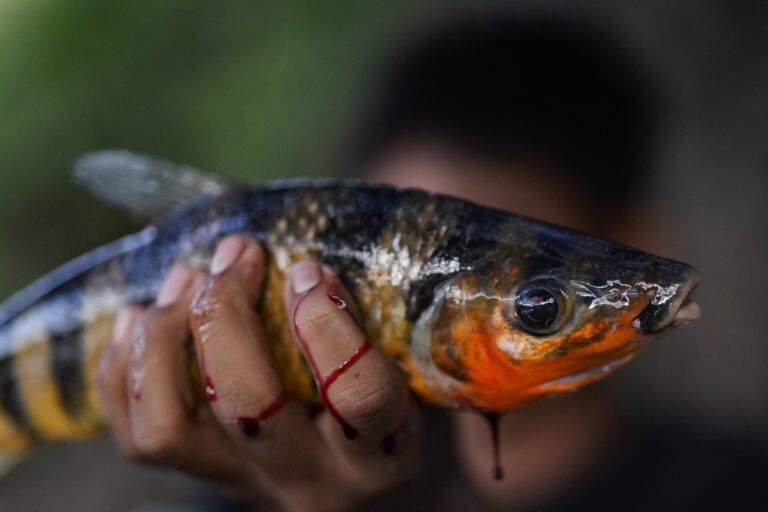
In the Amazon, a unique species of fish known as the pirarucu confronts a dual existence. This ancient creature, having evolved over 100 million years, has developed a specialized swim bladder that enables it to breathe air when necessary. This adaptation allows the pirarucu to thrive in the oxygen-depleted waters of the Amazon's floodplain lakes, a habitat where few other fish can survive. However, this very adaptation that has been crucial to the pirarucu's survival now poses a significant threat.
The National Institute of Science and Technology for Adaptations of Aquatic Biota of the Amazon, led by biologist Adalberto Val, has highlighted the growing concern of microplastic pollution in these waters. Val explains that the already harsh conditions in the Amazon, characterized by high temperatures and low oxygen levels, are being exacerbated by the introduction of plastic debris.
The pirarucu, which must surface every 10 minutes to breathe, comes into direct contact with these microplastics, risking their health and survival.
Val and researchers from the University of British Columbia in Canada have published a paper detailing the dangers of this exposure. The study reveals that when microplastics enter the pirarucu's air-breathing organ, it can lead to detrimental effects on the fish's health. This new threat underscores the growing complexity of challenges faced by the Amazon's unique species, as they struggle to adapt to multiple environmental pressures.
Written by urgent.news from Mongabay's reporting — not their text. Machine-written — may contain errors; check the original before relying on it.