How the Perseids happen every August even though their comet returns in 2126
Dubai: The Perseids come from a comet called 109P/Swift-Tuttle. That comet passes through the inner solar system once every 133 years. It last did so in 1992, and it will not be back until 2126. Which raises an obvious problem. If the comet only turns up twice in three centuries, why does the meteor shower turn up every August without fail? The answer is that the comet has nothing to do with it.…
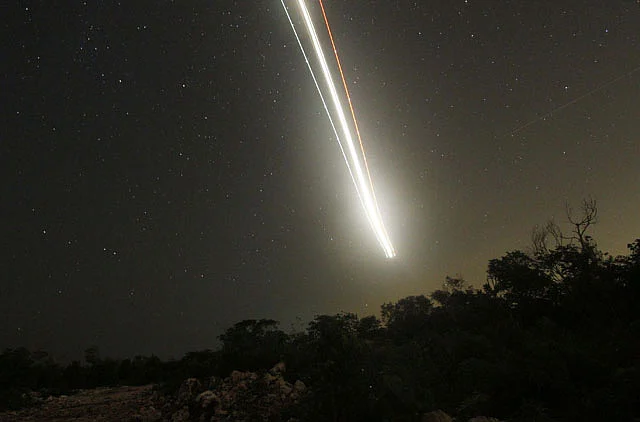
Every August, the Perseids meteor shower returns with a reliable consistency, despite the comet it is named after not returning until 2126. This phenomenon occurs because the comet, 109P/Swift-Tuttle, releases dust and ice particles as it nears the sun, leaving behind a trail of debris that Earth crosses annually. The meteors we see are tiny particles, mostly no larger than a grain of sand, that burn up in Earth's atmosphere at speeds of around 59 kilometers per second, creating streaks of light.
The Perseids originate from Perseus constellation, but the radiant effect is due to perspective, not location. They are named after St. Lawrence, whose martyrdom in 258 AD coincided with the annual appearance of the meteors. The 2026 Perseids peak coincides with a new moon, providing ideal viewing conditions with minimal moonlight interference.
The shower is expected to reach up to 100 meteors per hour under dark skies, with additional celestial events such as Saturn, Mars, and Comet 10P/Tempel 2 enhancing the spectacle. To observe the Perseids, it is recommended to venture away from city lights and look up between midnight and 4 AM, allowing the eyes to adjust and taking advantage of peripheral vision for better visibility.
Written by urgent.news from Gulf News's reporting — not their text. Machine-written — may contain errors; check the original before relying on it.