How a samurai family estate in Yanagawa became one of Japan’s most unusual ryokan stays
Ohana Ryokan survived post-war upheaval to become a living record of the Tachibana family, complete with historic rooms, a pine garden and canal-side experiences.
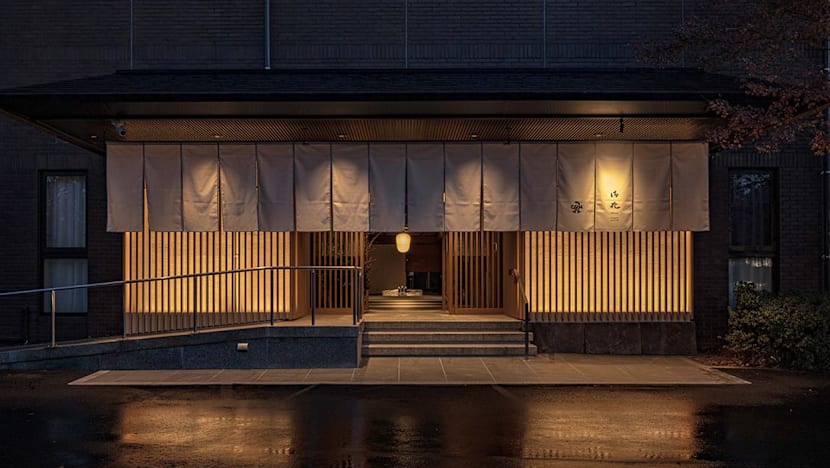
Yanagawa, Japan, is home to an unusual ryokan named Ohana Ryokan, which has survived the post-war era and now stands as one of the nation's most distinctive guesthouses. The estate, located an hour's drive from Fukuoka city, was once the residence of the Tachibana clan, a samurai family that dates back more than 400 years.
Chizuka Tachibana, the 18th-generation descendant of the Tachibana family and CEO of Ohana Ryokan, explains that guests can experience the estate after day-trippers have departed. Ohana is the only property on the list of nationally designated Place of Scenic Beauty, a category that includes Arashiyama Bamboo Grove in Kyoto and Mount Fuji and The Five Lakes.
The Tachibana clan's legacy is deeply intertwined with the history of Yanagawa. In the early 17th century, Tachibana Muneshige, a celebrated warrior, became the first lord of the Yanagawa Domain. The clan's residence was constructed on the site now occupied by Ohana Ryokan in 1738 for the clan's concubine and children.
The Ariake Sea, Japan's largest tidal range, plays a significant role in the history of Yanagawa. With a tidal range of approximately 6 meters, the sea has allowed residents to reclaim land for agriculture for over 2,000 years. A 930km network of waterways has served various purposes, including irrigation, castle moats, flood control, and daily life necessities.
During the late 19th century, the sixth-generation clan head, Sadayoshi Tachibana, built his residence on the site of the current Ohana Ryokan for his concubine and children. The estate remained in the Tachibana family for generations until it was converted into a ryotei-ryokan in the aftermath of World War II to preserve the property.
Written by urgent.news from Channel News Asia's reporting — not their text. Machine-written — may contain errors; check the original before relying on it.