Hong Kong’s commercial property investment growth beats peer Asia-Pacific markets
Hong Kong’s commercial property investment more than doubled to US$3.1 billion in the second quarter, making it the fastest growing investment market in Asia-Pacific thanks to a strong increase in retail and office deals and a low base effect, according to JLL. The 129 per cent growth from a year earlier beat other top-performing markets including Singapore with 108 per cent growth and Australia…
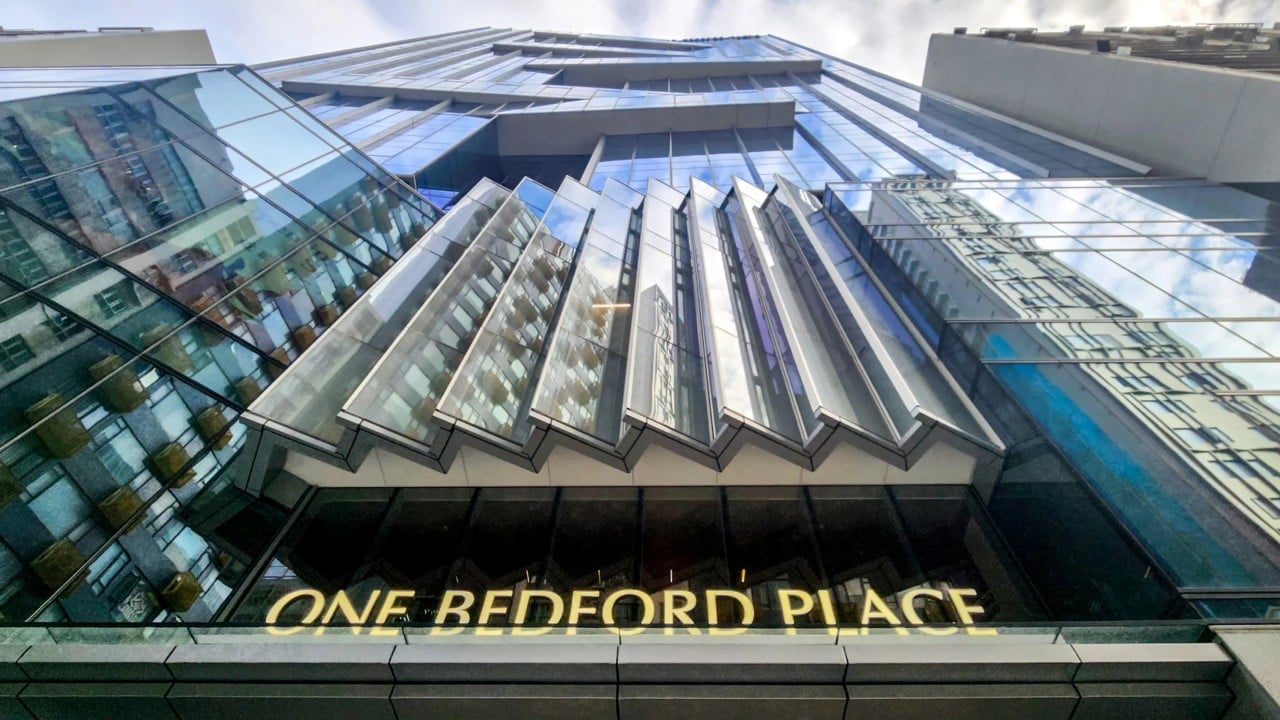
Hong Kong's commercial property investments soared to US$3.1 billion in Q2, marking the fastest growth in Asia-Pacific, according to JLL. The 129% rise from a year ago outpaced Singapore's 108% and Australia's 82%, data revealed. JLL attributed Hong Kong's success to retail and office deals, driven by assets with immediate yield stabilization.
Oscar Chan, head of capital markets at JLL, noted continuous investment activity despite macroeconomic uncertainties. Office deals, particularly those of assets under receivership, contributed to this growth. Notably, 299 Queen's Road Central was acquired for HK$611.4 million, and One Bedford Place, a distressed office tower, was purchased by Wee Hur Holdings for HK$748.8 million.
Rents in prime office spaces, especially in Central, have shown a modest increase. Hong Kong's strong performance bolstered the Asia-Pacific region's commercial real estate investment, which jumped 38% year-on-year to US$45.5 billion. The first half saw a 35% rise to US$92.5 billion. This surge was fueled by semiconductor and automotive demand, global AI capex, and tech-driven export growth.
The trend toward technology-supporting assets and value-added real estate was evident in regions like Japan and Australia, driven by data center demand and logistics acquisitions. While geopolitical uncertainties and rising interest rates could impact Hong Kong's positive performance, JLL CEO Stuart Crow highlighted strong rental growth prospects due to a lack of supply and rising replacement costs.
Written by urgent.news from South China Morning Post's reporting — not their text. Machine-written — may contain errors; check the original before relying on it.
Also reported by 4 other outlets
- Hong Kong stablecoin selection expands with Standard Chartered-led venture’s launch scmp.com
- Chinese online fashion group Shein to launch cut-price £22bn stock market listing in Hong Kong next week thisismoney.co.uk
- Shein plans to launch Hong Kong IPO as soon as next Wednesday, sources say investing.com
- Shein plans to launch Hong Kong IPO as soon as next Wednesday, sources say channelnewsasia.com