Gold looks beyond war as inflation, monetary policy steer prices: Report
Markets increasingly focused less on the geopolitical headlines themselves and more on their impact on inflation, real interest rates and monetary policy expectations
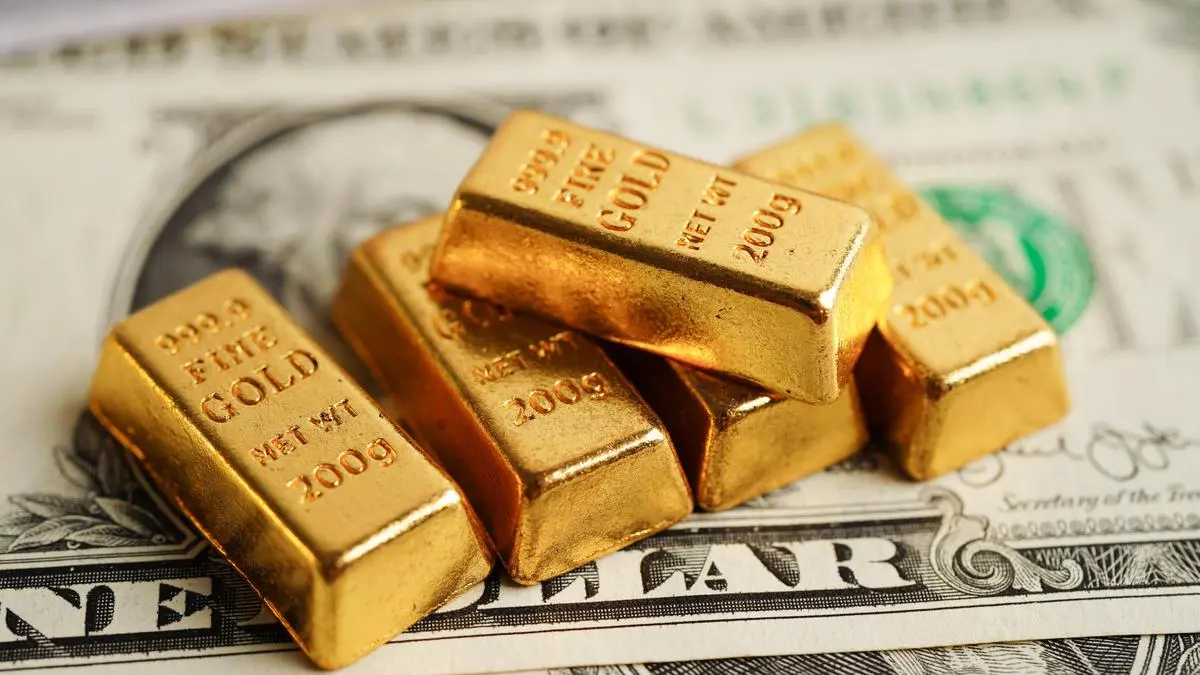
Gold's connection to geopolitical conflicts is evolving, with inflation, interest rates and monetary policy taking precedence over traditional safe-haven demand, according to a report. The first half of 2026 highlighted that geopolitical risks alone may not sustain gold prices, as investors assess conflicts through their impact on inflation and interest rates.
Navneet Damani, Head of Research, Commodities at Motilal Oswal Financial Services Ltd, noted that markets focus more on these factors than geopolitical headlines. Rising bond yields emerged as the main headwind for gold, overpowering traditional demand despite high geopolitical tensions. The market narrative shifted as tariffs contributed to production costs and inflation expectations, raising the possibility of sustained higher interest rates and pushing real Treasury yields and the dollar higher.
The US-Iran conflict further exemplified the changing dynamic, as initial escalation boosted gold demand, but higher oil prices, reduced expectations of monetary policy easing, and a correction followed. Looking ahead, inflation trends, Fed communication, global liquidity, central bank buying, ETF flows, and speculative positioning are expected to be the key drivers of gold and silver in H2 2026.
While near-term volatility may persist, structural demand will support the long-term outlook for precious metals. China will remain crucial through reserve diversification, central bank purchases, and industrial demand, especially for silver. Gradual policy normalization by the Bank of Japan could tighten global liquidity. MOFSL expects gold to maintain medium-term strength but anticipates a 6-8% correction from current levels before a potential move towards $4,800 per ounce in overseas markets and over $5,500 over the next 12-15 months.
Domestic accumulation levels, assuming a USD/INR rate of 95.5, target ₹1.68 lakh per 10 grams, followed by ₹1.93 lakh per 10 grams. Gold may remain range-bound or correct further until interest rates decline, but long-term support comes from central bank demand, fiscal risks, and currency-debasement concerns.
Written by urgent.news from Hindu BusinessLine's reporting — not their text. Machine-written — may contain errors; check the original before relying on it.