Global wildfire surge hits U.S., propelled by rising temperatures
Fire country is becoming hotter and drier with flammable landscapes—forcing more than 60,000 residents from their homes.
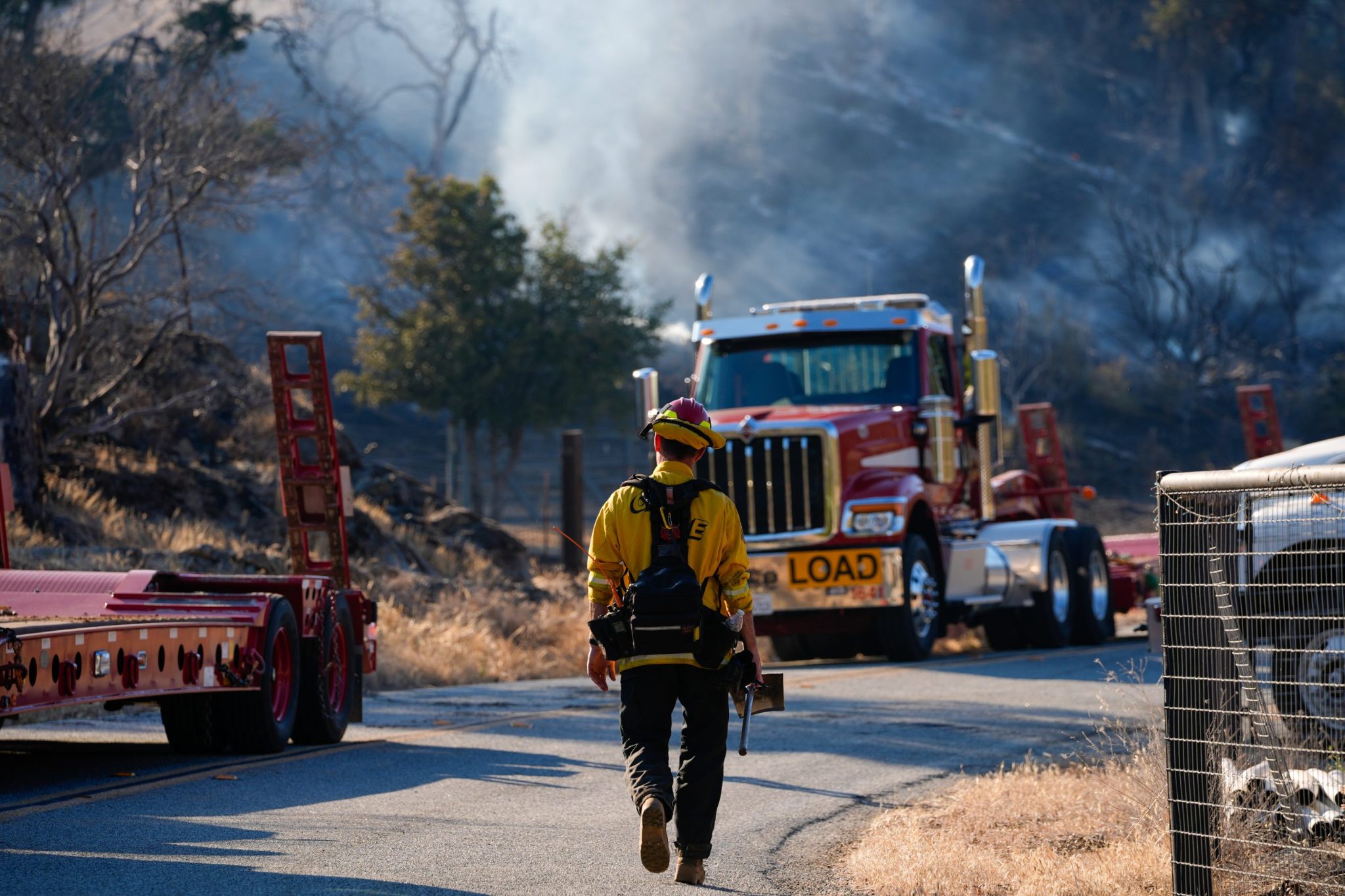
The United States is experiencing one of its worst wildfire seasons in years, with blazes consuming millions of acres, according to the source material. This trend is part of a global pattern of rising temperatures and dry conditions that make fires more common, as explained by Daniel Swain, a climate scientist at the University of California.
Fires in Spokane, Washington, have destroyed hundreds of structures and forced over 60,000 residents to evacuate, which represents about 10% of the city's population. Three major wildfires have burned more than 8,000 acres and are still uncontained. There are currently 17 active fires in Washington state.
Meanwhile, Greece is also battling destructive fires that have consumed tens of thousands of acres and prompted evacuations. This comes after historic fires in France and Spain last month, which displaced hundreds of thousands of residents. All these fires have emerged in different regions and ecosystems, but they share a common underlying factor: rising temperatures are exacerbating wildfire risks.
Swain describes this phenomenon as "lifting the flammability veil," highlighting how global warming is creating severe and unprecedented heat waves that turn once-susceptible areas into tinderboxes.
Fire researcher Mojtaba Sadegh from Boise State University likens the impact of heat waves on landscapes to the toll it takes on the human body. Successive days of high temperatures are more dangerous than a single day of heat. The researchers identified "fire weather waves," or prolonged episodes of exceptional heat, dryness, and often windy conditions.
These waves have become more frequent in most regions since 1979 and have resulted in more than a quarter of the land area burned and nearly half of the most intense forest fires. In the United States, signs of an active fire season were evident as early as April, with air tanker crews busy. By June, the National Interagency Fire Center had warned that it could be a challenging year across the Pacific Northwest and Northern California.
The Pacific Northwest, Rocky Mountains, and large parts of California experienced a snow drought during the winter, leading to bare mountaintops and dried grasses and shrubs. This lack of natural replenishment left the landscape more vulnerable to fire.
Extreme precipitation, in addition to drought, also plays a role in worsening fire conditions. Heavy rains promote the growth of vegetation that then becomes fuel for fires. Swain notes that Spain's heavy rains in February, before its summer heat waves, set the stage for the Los Angeles fires in 2025. As fires now occur everywhere simultaneously, nations will face challenges in coordinating responses and providing aid to affected areas.
Communities that previously did not consider themselves at risk will need to reevaluate their preparedness and mitigation measures. While climate change does not mean every place will become California, it indicates that more landscapes worldwide will occasionally cross a threshold where sustained heat and drought create conditions for extreme wildfires.
Written by urgent.news from Fortune's reporting — not their text. Machine-written — may contain errors; check the original before relying on it.